Canadians are increasingly turning to Mexico for essential orthopedic surgeries like ACL reconstruction and carpal tunnel release due to significantly shorter wait times and substantial cost savings. Patients can expect to save between 50% to 70% on average, while accessing world-class medical facilities and internationally trained surgeons.
For Canadians experiencing the persistent pain and restricted mobility of an ACL tear or the debilitating symptoms of carpal tunnel syndrome, surgical intervention is often a critical step toward regaining their quality of life. However, navigating the Canadian healthcare system for these “elective” procedures can present significant challenges, primarily due to prolonged wait times and the potential for high out-of-pocket expenses when considering private options. This pressing issue has led a growing number of Canadians to explore medical tourism, specifically traveling to Mexico for these much-needed surgeries.
Mexico has emerged as a compelling alternative, offering a combination of advanced medical care, highly skilled orthopedic and hand surgeons, and significantly lower costs. This ensures a fast and cost-effective pathway to treatment. This article delves into the core reasons why more Canadians are choosing Mexico for ACL reconstruction and carpal tunnel release surgeries, highlighting how Mexico’s healthcare system provides an attractive and efficient solution for those seeking timely access to high-quality care without compromising their financial well-being.
What Key Benefits Does Medical Tourism in Mexico Offer Canadians?
- Significant Cost Savings: Surgery in Mexico can dramatically reduce expenses, often costing a mere fraction of prices seen in Canada, even after factoring in travel.
- Elimination of Long Wait Times: Mexico’s medical facilities offer expedited scheduling, allowing patients to receive essential procedures much faster than in the often backlogged Canadian system.
- Access to Experienced, International Surgeons: Many Mexican surgeons are highly qualified, with extensive training and certifications from the U.S. or Europe, ensuring world-class expertise.
- High-Quality, Accredited Medical Facilities: Numerous hospitals in Mexico meet stringent international healthcare standards, often holding accreditations like those from the Joint Commission International (JCI).
- Comprehensive Post-Operative Care: Patients can benefit from integrated recovery services, including physical therapy and rehabilitation, often available on-site for a seamless healing process.
Understanding ACL Reconstruction: What Does it Entail?
Anterior Cruciate Ligament (ACL) reconstruction is a surgical procedure to replace a torn ACL in the knee. This ligament is crucial for knee stability, and tears are commonly seen in athletes or individuals engaged in high-impact physical activities.
The procedure typically involves replacing the damaged ligament with a graft, often taken from another part of the patient’s body (autograft) or from a donor (allograft). The surgeon makes small incisions around the knee, inserting an arthroscope and specialized tools to perform the reconstruction. The graft is secured using screws or other fixation devices, providing a new ligament that will integrate over time. This surgery is vital for restoring knee stability, enabling individuals to return to their active lifestyles and preventing further degenerative changes in the joint. In Canada, these procedures are often classified as elective, leading to significant delays that can exacerbate discomfort and hinder long-term recovery.
Exploring Carpal Tunnel Release: How Does it Alleviate Pain?
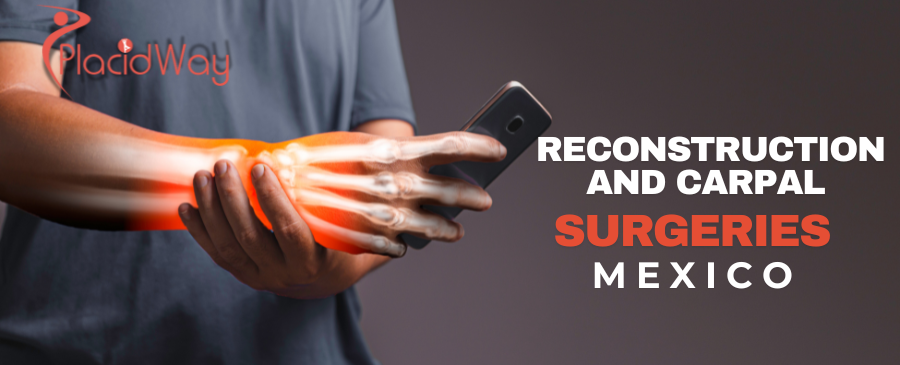
Carpal tunnel release surgery is a procedure to alleviate pressure on the median nerve in the wrist, which causes pain, numbness, and tingling associated with carpal tunnel syndrome.
During carpal tunnel release, the surgeon cuts the transverse carpal ligament, which forms the roof of the carpal tunnel. This division of the ligament creates more space within the tunnel, relieving pressure on the median nerve. The procedure can be performed as open surgery through a small incision or endoscopically using a tiny camera and instruments inserted through smaller incisions. Relieving this compression helps to restore nerve function, reducing pain, numbness, and tingling, and preventing potential permanent nerve damage and loss of hand function. For Canadians facing long waits for this relatively straightforward procedure, especially when not deemed immediately urgent, the swift access offered by Mexican healthcare facilities becomes a crucial factor in their decision to travel.
Understanding the Evidence, Outcomes, Risks, and Safety Protocols
Evidence & Outcomes: Mexico has firmly established itself as a leading destination for medical tourism, with a healthcare system increasingly recognized for its stringent standards of care. Many medical facilities catering to international patients are accredited by prestigious global organizations such as the Joint Commission International (JCI). This accreditation is a testament to their commitment to the highest benchmarks of patient safety, hygiene, and medical practice, ensuring quality comparable to top-tier hospitals in North America or Europe. Mexican clinics can offer efficient, effective solutions to ACL injuries and carpal tunnel syndrome without the long wait times often associated with the Canadian healthcare system.
Furthermore, the country boasts a significant number of board-certified orthopedic and hand surgeons. Many of these specialists have received extensive training in the U.S. or Europe and possess years of practical experience performing ACL reconstruction and carpal tunnel release surgeries. This ensures that Canadian patients receive expert care delivered by highly skilled professionals, often within state-of-the-art facilities equipped with advanced medical technology. The combined expertise and infrastructure lead to excellent patient outcomes, making Mexico a reliable choice for these complex orthopedic procedures.
Risks & Contraindications: While the quality of medical care in accredited Mexican facilities is generally high, as with any surgical procedure, inherent risks exist. These can include infection, bleeding, adverse reactions to anesthesia, nerve damage, or complications with graft healing for ACL reconstruction, and potential recurrence or persistent symptoms for carpal tunnel release. It is crucial for patients to have a thorough discussion with their surgeon about all potential risks and benefits before making a decision. Individual results can vary significantly based on a patient’s overall health, adherence to post-operative instructions, and the complexity of their condition.
Patients must exercise due diligence when selecting a medical provider, verifying that the hospital or clinic holds recognized international accreditations and that their surgeon possesses appropriate experience and qualifications. Warning signs such as disproportionate pain, fever, excessive swelling, or unexpected numbness should prompt immediate medical attention. Additionally, travel-related considerations like adjusting to a new time zone, potential language barriers, and ensuring adequate travel insurance for medical care abroad must be carefully addressed. Planning for necessary follow-up care upon returning to Canada is also an essential part of a responsible medical tourism journey. Always consult with a qualified healthcare professional to determine if medical travel is appropriate for your specific condition.
Did you know that Mexico is home to some of the world’s most advanced medical facilities, where patients often save between 50% to 70% on ACL reconstruction and carpal tunnel release while receiving care that meets or exceeds international hospital standards?
How Do Mexico’s Costs Compare to Canada, the US, and the UK?
The financial advantages of seeking orthopedic surgery in Mexico are substantial. While Canada, the U.S., and the U.K. offer high-quality healthcare, the costs for elective procedures like ACL reconstruction and carpal tunnel release can be prohibitively expensive, especially for those considering private options or factoring in lost income due to extended wait times. Mexico consistently provides the same high-quality care at a significantly reduced price point, often enabling patients to save thousands of dollars, even after accounting for travel and accommodation expenses.
Cost Breakdown (Average for ACL & Carpal Tunnel)
Major Savings
| Country | Estimated Cost (USD) | Average Savings |
|---|---|---|
| Mexico | $3,750 – $7,500 | Starting Point Best Value |
| United States (Private) | $15,000 – $30,000 | 50-70% Savings |
| United Kingdom (Private) | $14,000 – $28,000 | 50-70% Savings |
| Canada / Australia (Private) | $15,000 – $30,000 | 50-70% Savings |
Essential Facts & Pro-Tips for Your Medical Journey
What Does the Typical Treatment Journey Look Like in Mexico?
The medical journey in Mexico is designed to be efficient, minimizing patient downtime while upholding stringent safety protocols. A key advantage for Canadians is the dramatically shorter wait times. Instead of enduring months or even longer for essential orthopedic procedures in Canada, patients can often schedule their surgery in Mexico within a few weeks of their initial consultation.
This rapid access to care is particularly beneficial for athletes or individuals whose injuries significantly impact their daily life or livelihood, preventing further deterioration of their condition. Coupled with comprehensive recovery services, including physical therapy and rehabilitation often available on-site, patients receive continuous support throughout their entire healing process. The serene environment, sometimes near beaches or resorts, further enhances the recovery experience, fostering relaxation and mental well-being alongside physical healing.
Frequently Asked Questions
1. Is this treatment safe in Mexico?+
Yes, many medical facilities in Mexico adhere to stringent international standards and are accredited by organizations like the Joint Commission International (JCI). However, it’s paramount to conduct thorough research on your chosen facility and surgeon to ensure they meet your expectations for quality and safety. Always prioritize verified credentials and patient testimonials for a secure medical journey.
2. How much can I save on ACL reconstruction or carpal tunnel release in Mexico?+
On average, you can expect to save between 50% to 70% on the total cost of these surgeries by choosing Mexico for your treatment. These savings remain significant even after factoring in all travel expenses and accommodation costs, making it a highly attractive option for budget-conscious patients.
3. Are surgeons in Mexico experienced in these orthopedic procedures?+
Absolutely. Mexico is home to a large number of highly experienced and board-certified surgeons specializing in ACL reconstruction and carpal tunnel release. Many have received advanced training in leading medical institutions across the U.S. and Europe, bringing international expertise to their practice in Mexico.
4. Can I get my surgery scheduled quickly in Mexico?+
Yes, one of the primary drivers for medical tourism in Mexico is the significantly shorter wait times. Patients can often schedule their surgeries within a few weeks of their initial consultation, a stark contrast to the months-long waits frequently experienced in Canada.
5. How long is the typical stay in Mexico after orthopedic surgery?+
For both ACL reconstruction and carpal tunnel release, most patients are advised to stay in Mexico for approximately 7 to 10 days. This duration allows for initial recovery, critical post-operative monitoring, and necessary follow-up appointments with the surgeon before safely returning home.
6. What recovery support is available for patients in Mexico?+
Mexican medical centers often provide comprehensive post-operative care, including physical therapy and rehabilitation, which is especially crucial for conditions like ACL reconstruction. Many facilities offer these services on-site, ensuring a seamless continuation of care and support throughout the entire recovery process.
7. Can post-surgery follow-up care be arranged in Canada?+
Yes, it is common for patients to coordinate follow-up care with their local Canadian healthcare provider once they return home. Effective communication and coordination between your Mexican surgeon and your Canadian physician prior to travel are strongly recommended to ensure continuity of care.
8. What travel-related factors should I consider for surgery abroad?+
Key considerations include adjusting to a new time zone, understanding local customs and language (though many medical staff are bilingual), and securing comprehensive travel insurance that specifically covers international medical procedures. Careful planning for these logistical aspects can significantly enhance your overall experience and peace of mind.
Ready to Take the Next Step Towards Recovery?
Choosing the right destination for your medical care is significant. By opting for treatment abroad, you are not just saving on costs—you are gaining access to specialized clinicians and world-class care.