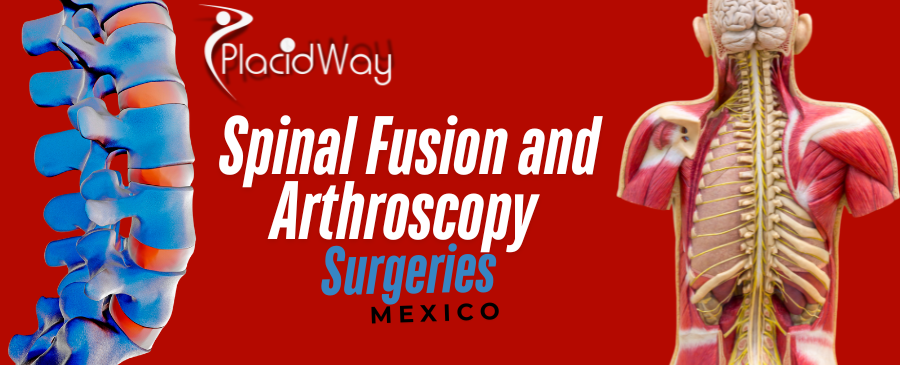
Guatemalan patients are increasingly choosing Mexico for essential spinal fusion and arthroscopy surgeries, primarily due to significant cost savings and reduced waiting times. Patients can save between 30% to 60% on procedures, ensuring access to high-quality care without the financial strain or prolonged suffering often experienced in their home country.
For many individuals in Guatemala suffering from persistent back pain or debilitating joint conditions, relief often hinges on specialized surgical interventions like spinal fusion and arthroscopy. These procedures are critical for restoring mobility, alleviating discomfort, and significantly improving overall quality of life. However, patients within Guatemala frequently encounter substantial hurdles, including prohibitive costs and lengthy waiting lists for elective surgeries, leading to prolonged suffering and worsening health.
In response to these challenges, a growing number of patients are looking beyond their borders, and Mexico has emerged as a leading destination for medical tourism, particularly for orthopedic and spinal procedures. The appeal lies in Mexico’s unique combination of advanced medical technology, highly skilled and internationally trained surgeons, and significantly more affordable treatment options. This compelling value proposition ensures that Guatemalan patients can access timely, high-quality care that might otherwise be out of reach. This article explores why Guatemalan Patients Choose Mexico for Spinal Fusion and Arthroscopy Surgeries, focusing on the transformative benefits that make it a preferred medical travel choice.
What Key Benefits Does Mexico Offer for Spinal and Arthroscopy Surgeries?
- Significant Cost Savings: Patients from Guatemala can achieve substantial financial savings on their procedures in Mexico compared to domestic costs, even after accounting for travel.
- Access to Advanced Medical Care: Mexican hospitals provide state-of-the-art medical technology and treatment techniques, ensuring high standards of care.
- Shorter Wait Times: Elective surgeries can be scheduled much faster in Mexico, reducing prolonged pain and enabling quicker recovery.
- Internationally Accredited Facilities: Many Mexican hospitals hold international accreditations, signifying adherence to strict global quality and safety standards.
- Comprehensive Post-Surgery Support: Patients can access robust rehabilitation services in Mexico to support effective and complete recovery.
What are Spinal Fusion and Arthroscopy Surgeries?
Spinal fusion is a surgical procedure designed to permanently connect two or more vertebrae in your spine, stabilizing the area and eliminating motion between them. Arthroscopy, on the other hand, is a minimally invasive surgical procedure that allows surgeons to visualize, diagnose, and treat problems inside a joint using a small camera (arthroscope).
Spinal fusion typically involves placing bone graft material between the affected vertebrae. Over time, this graft fuses the vertebrae into a single, solid bone, reducing pain caused by instability or degeneration. This can alleviate pressure on nerves and provide long-term stability for conditions like herniated discs, scoliosis, or spinal stenosis. The bone graft can be sourced from the patient (autograft), a donor (allograft), or synthetic materials.
Arthroscopy is often performed on joints such as the knee, shoulder, hip, or ankle. A small incision is made, and the arthroscope, equipped with a light and camera, is inserted. The surgeon then views the inside of the joint on a monitor and uses small instruments inserted through other tiny incisions to repair damaged cartilage, remove loose bodies, or address ligament tears. Both procedures aim to restore function and reduce pain, significantly enhancing a patient’s quality of life.
What are the Outcomes and Potential Risks of These Procedures?
Evidence & Outcomes: Spinal fusion and arthroscopy in internationally accredited Mexican facilities boast high success rates. Mexican surgeons, many with U.S. or European training, apply advanced techniques and technology. This expertise contributes to excellent outcomes, comparable to top-tier global hospitals. For example, arthroscopy can significantly improve joint function and reduce pain with minimal scarring due to its minimally invasive nature. Spinal fusion, when successful, provides long-term stability and pain relief for chronic back conditions, restoring patients’ ability to participate in daily activities more comfortably. These positive results highlight the effectiveness of care available in Mexico.
Risks & Contraindications: While generally safe, all surgeries carry risks. Spinal fusion risks include infection, blood clots, nerve damage, non-union (fusion failure), and implant complications. Arthroscopy risks include infection, bleeding, joint stiffness, or damage to surrounding structures. Warning signs such as severe pain, fever, redness, or swelling at the incision site should prompt immediate medical attention. Individual results can vary based on age, overall health, and adherence to post-operative care. These procedures are typically contraindicated for patients with active infections, uncontrolled bleeding disorders, or severe osteoporosis. It is crucial to have a thorough consultation with your surgeon to discuss personalized risks, benefits, and expected recovery, ensuring informed decision-making.
Did you know that Mexico is home to some of the world’s most advanced medical facilities, where patients often save significant amounts on spinal fusion and arthroscopy while receiving care that meets or exceeds international hospital standards? Many hospitals in Mexico are internationally accredited, assuring top-tier quality.
How Do Spinal Fusion and Arthroscopy Costs Compare Globally?
Mexico offers a significant financial advantage for Guatemalan patients seeking spinal fusion and arthroscopy, with costs being substantially lower than those in Guatemala and other developed nations. These savings enable access to high-quality care that might otherwise be unaffordable. The cost efficiencies extend beyond the procedure itself, often including comprehensive packages that cover various aspects of medical travel, making the overall experience more predictable and budget-friendly for international patients.
Cost Breakdown
Major Savings
| Country | Estimated Cost (USD) | Average Savings (vs. high-cost regions) |
|---|---|---|
| Guatemala | $7,000 – $18,000 | Baseline Cost |
| Mexico | $3,500 – $10,000 | 30-60% Savings for Guatemalan patients Best Value |
| United States | $30,000 – $60,000+ | Up to 80% Savings |
| United Kingdom | $25,000 – $55,000+ | Up to 75% Savings |
| Canada / Australia | $20,000 – $50,000+ | Up to 70% Savings |
Essential Facts & Pro-Tips
What Does the Treatment Journey in Mexico Look Like?
Efficiency is a hallmark of the medical experience in this destination. The process minimizes downtime while ensuring every safety protocol is strictly followed. Patients benefit from quicker scheduling and a streamlined journey tailored to their recovery needs, often including comprehensive support from arrival through post-operative care.
Frequently Asked Questions
1. Is this treatment safe in Mexico?+
Yes, many hospitals in Mexico are accredited by international organizations like the Joint Commission International (JCI), ensuring they meet global healthcare standards. It’s crucial to select a reputable facility with a proven track record in orthopedic surgery for a safe and successful procedure. Thorough research is always recommended.
2. How much can Guatemalan patients save on spinal fusion or arthroscopy in Mexico?+
Guatemalan patients can typically save between 30% to 60% on the cost of spinal fusion and arthroscopy surgeries by choosing Mexico. For example, spinal fusion in Mexico can range from $6,000 to $10,000, compared to $12,000 to $18,000 in Guatemala. Arthroscopy in Mexico costs $3,500 to $6,000, versus $7,000 to $12,000 in Guatemala.
3. Are Mexican surgeons qualified to perform these complex procedures?+
Yes, many surgeons in Mexico are highly experienced, often holding international training from institutions in the U.S. or Europe. They specialize in complex orthopedic procedures like spinal fusion and arthroscopy, utilizing advanced medical technology and techniques. This ensures patients receive expert care comparable to global standards.
4. How long is the typical recovery stay in Mexico after these surgeries?+
For spinal fusion surgery, most patients typically stay in Mexico for approximately 7 to 10 days to allow for initial recovery and essential follow-up care. For arthroscopy surgery, the typical stay is shorter, generally around 5 to 7 days for the initial recovery phase before travel. These durations ensure patient stability and comfort.
5. How quickly can I schedule my surgery in Mexico?+
Mexico offers significantly shorter wait times compared to Guatemala, where delays can span months. In Mexico, surgery can often be scheduled within a few weeks of your initial consultation. This rapid access to treatment helps alleviate chronic pain sooner and accelerates the overall recovery process for patients.
6. Are all-inclusive packages available for these surgeries in Mexico?+
Yes, many medical facilities in Mexico offer comprehensive all-inclusive packages. These typically cover the surgery cost, pre-operative consultations, post-operative care, physical therapy, and sometimes even accommodation and travel expenses. Such packages provide clear, upfront pricing, making the entire medical journey more predictable and less stressful for patients.
7. Can I arrange for rehabilitation services in Mexico after my surgery?+
Absolutely. Many top medical facilities in Mexico are equipped with dedicated rehabilitation services. These often include physical therapy programs designed to help you recover effectively after spinal fusion or arthroscopy surgery. Planning for post-operative rehabilitation during your stay ensures a smooth and guided recovery process.
8. Can I get follow-up care in Guatemala after returning from Mexico?+
Yes, it is common for patients to arrange follow-up care with their local healthcare providers in Guatemala after returning home. It is essential to coordinate this plan with your Mexican surgeon before your departure to ensure a seamless transition and continuity of care. This collaborative approach supports long-term recovery.
Ready to Take the Next Step Towards Recovery?
Choosing the right destination for your medical care is significant. By opting for treatment abroad, you are not just saving on costs—you are gaining access to specialized clinicians and world-class care.