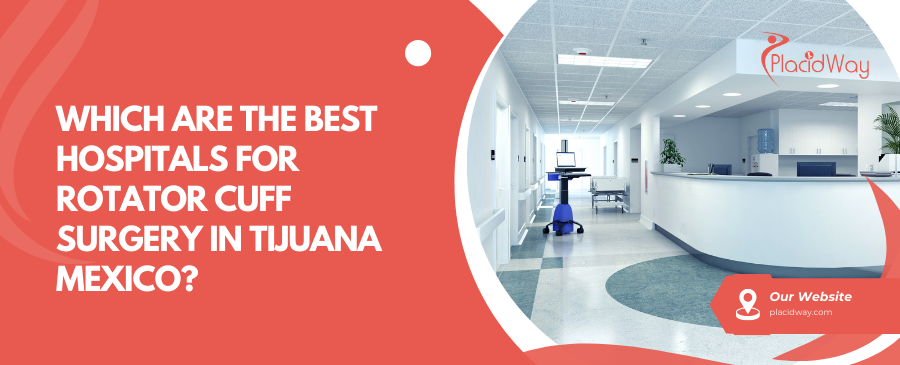
The best hospitals for rotator cuff surgery in Tijuana, Mexico, are those with international accreditations, highly experienced orthopedic surgeons specializing in shoulder procedures, and state-of-the-art diagnostic equipment. Patients often experience significant cost savings, typically 50% to 70% compared to the United States, without compromising on quality or comprehensive patient-centered care.
Dealing with persistent shoulder pain and limited mobility from a rotator cuff injury can significantly impact daily life. For many individuals, exploring high-quality, affordable healthcare options abroad has become a practical solution.
Tijuana, Mexico, strategically located near San Diego, California, has grown into a leading destination for medical tourism, particularly for orthopedic procedures like shoulder repair. This guide provides essential information for those considering rotator cuff surgery in Tijuana Mexico.
While choosing surgery in a foreign country is a major decision, Tijuana’s medical facilities are equipped with modern technology and staffed by skilled professionals. These experts often have international training, ensuring a high standard of care. PlacidWay, as a medical tourism facilitator, connects patients with these vetted healthcare providers, helping to navigate the process and achieve excellent outcomes.
Understanding the Advantages of Rotator Cuff Surgery in Tijuana
- Cost-Effectiveness: Patients can save 50% to 70% on surgery costs compared to prices in the United States. This makes essential procedures more accessible, especially for those with high deductibles or without adequate insurance.
- High-Quality Care: Many Tijuana hospitals hold international accreditations like those from the Joint Commission International (JCI) or ISO certifications. These accreditations indicate adherence to global standards for patient safety and quality of care.
- Expert Surgeons: Facilities employ orthopedic surgeons with specialized training in shoulder arthroscopy. Many have received training in medically advanced countries like the US or Europe, ensuring a high level of expertise.
- Advanced Technology: Leading hospitals in Tijuana utilize state-of-the-art diagnostic imaging (MRI, ultrasound) and surgical equipment, including high-definition arthroscopic tools. This supports accurate diagnosis and minimally invasive procedures.
- Comprehensive Rehabilitation: Many top medical facilities in Tijuana offer in-house or partnered rehabilitation services. These services provide crucial physical therapy for optimizing recovery outcomes.
What is Rotator Cuff Surgery? Defining the Procedure
Rotator cuff surgery is an orthopedic procedure designed to repair torn tendons in the shoulder, which are crucial for lifting and rotating the arm. It aims to restore function, reduce pain, and improve overall shoulder mobility.
Surgeons in Tijuana are proficient in addressing various types of rotator cuff tears. These include partial-thickness tears, where the tendon is only partially damaged, and full-thickness tears, where the tendon completely separates from the bone.
Procedures often involve arthroscopic (minimally invasive) techniques, preferred for smaller tears due to smaller incisions, reduced pain, and quicker recovery. For larger or more complex tears, or for revision surgeries, an open surgical approach may be necessary, as determined by the surgeon’s assessment and the patient’s condition. These techniques are comparable to those performed by leading orthopedic associations globally, demonstrating the quality of care available.
Understanding Evidence-Based Outcomes and Potential Risks
Evidence & Outcomes: Reputable hospitals in Tijuana are committed to international quality standards, often having accreditations like those from Joint Commission International (JCI) or ISO certifications. These accreditations signify adherence to global patient safety protocols and clinical best practices, contributing to positive surgical outcomes and high patient satisfaction comparable to centers reviewed by leading medical societies.
Risks & Contraindications: While generally safe and effective, rotator cuff surgery carries inherent risks, including infection, stiffness, or re-tear of the repaired tendon, nerve or blood vessel damage, persistent pain, and anesthesia complications. Patients should seek immediate care if they experience severe pain, fever, excessive swelling, or numbness after surgery. It is crucial to have a detailed discussion with a qualified orthopedic surgeon to understand individual risks and benefits, as outcomes can vary significantly among patients.
Did you know that Tijuana, Mexico, is home to some of the world’s most advanced medical facilities, where patients often save significant amounts on rotator cuff surgery while receiving care that meets or exceeds international hospital standards?
Cost Comparison for Rotator Cuff Surgery in Tijuana
One of the main draws for patients seeking rotator cuff surgery in Tijuana is the substantial cost savings. This benefit comes without sacrificing the quality of medical care provided. In the United States, the cost of this procedure can impose a significant financial burden on patients.
These costs can easily reach tens of thousands of dollars, encompassing surgeon fees, anesthesia, facility charges, and essential post-operative care, even for those with insurance. Tijuana provides the same high-quality procedure at a significantly reduced price, making it an attractive option.
Cost Breakdown
Major Savings
| Country | Estimated Cost | Average Savings |
|---|---|---|
| Tijuana, Mexico | $4,000 – $8,000 | Starting Point Best Value |
| United States | $15,000 – $30,000+ | 50% – 70% Savings |
| United Kingdom | £10,000 – £20,000+ | ~50-60% Savings |
| Canada / Australia | CAD $15,000 – $25,000+ | ~50-60% Savings |
Essential Facts & Pro-Tips
Navigating Your Rotator Cuff Surgery Treatment Journey in Tijuana
The treatment journey for rotator cuff surgery in Tijuana is designed for efficiency and patient comfort. It minimizes downtime while strictly adhering to all necessary safety protocols.
Frequently Asked Questions About Rotator Cuff Surgery in Tijuana
1. What makes a hospital “best” for rotator cuff surgery in Tijuana?+
A hospital is considered “best” for rotator cuff surgery in Tijuana if it possesses international accreditations, such as from Joint Commission International, ensuring global standards. It must employ highly experienced orthopedic surgeons specializing in shoulder procedures with proven track records. Additionally, the facility should utilize state-of-the-art diagnostic and surgical equipment, including high-definition arthroscopic technology.
Comprehensive patient-centered care, including thorough pre-operative consultations, clear communication, comfortable recovery environments, and access to post-operative physical therapy and pain management, are also crucial indicators of quality.
2. How can I ensure the quality and safety of rotator cuff surgery in Tijuana?+
To ensure quality and safety for rotator cuff surgery in Tijuana, thoroughly research hospital accreditations from international bodies. Verify your surgeon’s board certifications and extensive experience, especially in shoulder arthroscopy. Always read patient testimonials and reviews from previous patients who underwent similar procedures. Arrange a detailed pre-operative virtual consultation with your prospective surgeon.
This allows you to ask specific questions, assess their communication style, and build confidence in their expertise and the facility’s procedures. A reputable medical tourism facilitator can significantly aid in this vetting process, providing additional layers of assurance.
3. What types of rotator cuff tears can be treated in Tijuana?+
Hospitals in Tijuana are well-equipped to treat a variety of rotator cuff tears. This includes partial-thickness tears, where only part of the tendon is damaged, and full-thickness tears, which involve a complete separation of the tendon from the bone. They manage tears ranging from small to massive.
Specialists in Tijuana utilize both arthroscopic (minimally invasive) and traditional open surgical techniques, adapting the approach to the individual patient’s condition, the tear’s size and location, and the surgeon’s recommendation. They also treat both acute injuries, often from accidents, and degenerative tears that develop over time due to wear and tear.
4. What is the recovery process like after rotator cuff surgery in Tijuana?+
The recovery process after rotator cuff surgery in Tijuana begins with an initial short hospital stay, typically one night, for monitoring and pain management. Patients are sent home with their arm immobilized in a sling to protect the surgical repair.
The early recovery phase focuses on protecting the repair and managing pain and swelling, with the sling worn almost continuously for several weeks. As healing advances (usually after 4-6 weeks), active range-of-motion exercises begin, followed by strengthening. The comprehensive physical therapy program can span 4 to 12 months, depending on the tear’s severity and individual healing capacity. Many Tijuana hospitals offer excellent rehabilitation services for continuity of care.
5. Do Tijuana hospitals offer advanced diagnostic imaging for rotator cuff issues?+
Yes, leading hospitals in Tijuana typically provide advanced diagnostic imaging services essential for accurate rotator cuff diagnosis and surgical planning. These include state-of-the-art MRI (Magnetic Resonance Imaging) machines, which offer detailed soft tissue images crucial for assessing tear extent and nature.
High-resolution ultrasound is also often available for dynamic evaluation and guided injections. X-rays are routinely used to rule out underlying bone issues like fractures or arthritis. Access to these modern tools ensures surgeons have a comprehensive understanding of the injury, leading to more effective surgical plans and improved patient outcomes.
6. How do I choose a qualified surgeon for rotator cuff repair in Tijuana?+
Choosing the right surgeon is paramount for successful rotator cuff repair. Start by verifying their board certification in orthopedic surgery through official medical registries. Look for specialists with additional fellowship training in shoulder surgery or sports medicine, indicating advanced specialization.
Inquire about their annual volume of rotator cuff repair surgeries and preferred techniques. During a consultation, assess their communication style; ensure they explain your condition and options clearly, patiently answer questions, and make you feel comfortable. A surgeon who fosters trust and confidence is vital for a positive surgical experience.
7. What should I consider regarding medical tourism logistics for surgery in Tijuana?+
Planning medical tourism logistics for surgery in Tijuana requires careful consideration for a smooth experience. Arrange your travel, often flying into San Diego International Airport (SAN) and utilizing medical tourism shuttle services for border crossing. Confirm your passport is valid and easily accessible.
Research and book accommodation near your chosen hospital that caters to recovering patients. Ensure the facility offers language support, as clear communication is crucial. Finally, coordinate post-operative follow-up care, including sharing medical records between your Tijuana surgeon and home providers, to ensure continuity of rehabilitation.
8. Are there rehabilitation services available in Tijuana post-surgery?+
Yes, many leading hospitals in Tijuana offer in-house or partnered rehabilitation services and physical therapy clinics. These are crucial for optimizing recovery and achieving successful outcomes after rotator cuff surgery.
These clinics are staffed by licensed physical therapists experienced in post-operative orthopedic recovery, implementing specific protocols for rotator cuff repair. If returning home soon after surgery, your Tijuana surgeon and physical therapist can provide a detailed rehabilitation program to follow with a local therapist, ensuring seamless continuity of care. This immediate access to rehabilitation significantly enhances healing prospects.
Ready to Take the Next Step Towards Recovery?
Choosing the right destination for your medical care is significant. By opting for treatment abroad, you are not just saving on costs—you are gaining access to specialized clinicians and world-class care.