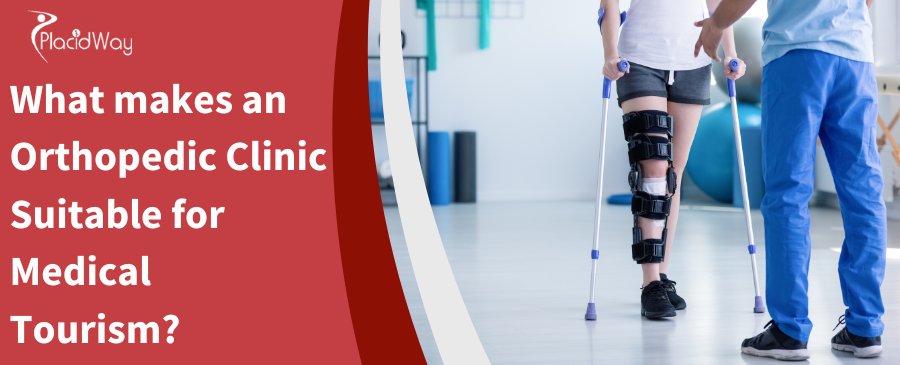
An orthopedic clinic becomes suitable for medical tourism when it combines international accreditation, highly skilled surgeons, advanced technology, and comprehensive patient support at competitive prices. For example, patients often find that orthopedic procedures abroad can be 40% to 70% more affordable than in countries like the United States, without compromising on quality or safety standards.
Have you ever considered traveling to another country for orthopedic surgery? If so, you are not alone in exploring this option. Medical tourism is a growing trend as many people seek top-quality orthopedic care abroad.
This care is often available at a fraction of the cost they would pay at home. The decision to travel for medical procedures can be complex, involving numerous factors beyond just the price tag.
A truly suitable clinic for international patients offers a complete package of care. This comprehensive approach prioritizes patient well-being from the initial inquiry through full recovery. As a medical tourism facilitator, PlacidWay connects patients with trusted global healthcare providers, offering guidance without directly providing medical services.
Understanding What makes an Orthopedic Clinic Suitable for Medical Tourism? involves evaluating several key criteria, from the expertise of its surgeons to the support services available for international visitors. It is about building trust and demonstrating a deep commitment to global patient needs.
Key Factors for Choosing an Orthopedic Medical Tourism Clinic
- International Accreditation: Ensures adherence to global quality and safety standards for patient care.
- Highly Qualified Surgeons: Board-certified specialists with extensive experience improve surgical success rates.
- Advanced Medical Technology: State-of-the-art equipment enhances diagnostic accuracy and treatment effectiveness.
- Significant Cost Savings: Procedures can be substantially more affordable than in Western countries, without quality compromise.
- Comprehensive Patient Support: Dedicated services, including language and logistics, simplify the medical journey.
What Does International Accreditation Mean for Your Care?
International accreditation is a formal recognition from a global healthcare body that a clinic meets rigorous standards of quality and patient safety. It provides an independent verification of the clinic’s commitment to excellence.
When considering a clinic abroad, local reviews might not be enough, as standards can vary greatly. Accreditations from organizations like the Joint Commission International (JCI) or ISO certifications serve as global benchmarks for healthcare quality. These bodies thoroughly evaluate a clinic’s operational practices, surgical protocols, infection control measures, staff qualifications, and patient rights, as highlighted by the Joint Commission International itself.
Understanding Evidence-Based Outcomes and Potential Risks in Orthopedic Care
Evidence & Outcomes: The success of orthopedic procedures abroad is significantly influenced by surgeon qualifications, advanced technology, and adherence to international standards. Clinics often employ board-certified surgeons with fellowships from reputable institutions, leading to high success rates comparable to domestic care, as frequently reviewed by health organizations like the World Health Organization. Furthermore, state-of-the-art diagnostic tools like high-resolution MRI and robotic-assisted surgical systems, such as Mako or ROSA robots for knee and hip replacements, contribute to better implant placement and faster recovery, aligning with findings from prominent medical research institutes such as the National Institutes of Health.
Risks & Contraindications: While medical tourism offers compelling advantages, potential risks include travel complications, communication challenges, and differing legal frameworks. Individual outcomes can vary depending on a patient’s health status, the specific procedure, and adherence to post-operative instructions. Always seek immediate care if you experience severe pain, persistent fever, swelling, numbness, or signs of infection after surgery. It is crucial to have a thorough consultation with a qualified physician before making any treatment decisions to discuss personal risks and benefits comprehensively, as emphasized by the Mayo Clinic.
Did you know that Mexico is home to some of the world’s most advanced medical facilities, where patients often save significant amounts on orthopedic care while receiving treatment that meets or exceeds international hospital standards?
How Orthopedic Procedure Costs Abroad Compare to the US
The potential for significant cost savings is one of the primary drivers for medical tourism, especially for orthopedic procedures. For major surgeries like knee replacements or spinal fusions, the price difference can easily amount to tens of thousands of dollars.
These lower costs are often attributed to reduced labor expenses, lower administrative overheads, and favorable exchange rates in many popular medical tourism destinations. Importantly, these savings typically do not come at the expense of quality or safety standards.
Orthopedic Surgery Cost Breakdown (Example: Knee Replacement)
Major Savings
| Country | Estimated Cost | Average Savings vs. US |
|---|---|---|
| Mexico | $10,000 – $18,000 | Starting Point Best Value |
| United States | $35,000 – $55,000 | 0% Reference Point |
| United Kingdom | $25,000 – $40,000 | 20-40% Savings |
| Canada / Australia | $20,000 – $35,000 | 30-50% Savings |
Essential Facts & Pro-Tips
What to Expect: A Typical Orthopedic Treatment Journey Abroad
Embarking on an orthopedic treatment journey abroad involves a well-structured process designed to ensure patient safety and optimal recovery. Clinics catering to international patients prioritize efficiency while strictly adhering to all medical safety protocols.
Frequently Asked Questions
1. What is international accreditation and why is it important?+
International accreditation is a formal recognition from a global healthcare body that a clinic meets rigorous standards of quality and patient safety. It is crucial because it provides an independent verification of the clinic’s commitment to excellence.
This global benchmark ensures that facilities adhere to the highest standards, offering peace of mind to international patients and significantly reducing risks associated with medical travel.
2. How important are surgeon qualifications and experience?+
Surgeon qualifications and experience are extremely important for the success of your orthopedic procedure. Look for board-certified surgeons with additional fellowships or training from reputable international institutions.
Experienced surgeons are better equipped to handle complex cases and manage potential complications, directly impacting your treatment outcome and safety during the entire process.
3. What kind of technology should a top orthopedic clinic have?+
A top orthopedic clinic should be equipped with advanced medical technology. This includes modern diagnostic imaging (MRI, CT, 3D imaging), minimally invasive surgical tools, and robotic-assisted surgery systems like Mako or ROSA robots.
Investing in such technology demonstrates a clinic’s commitment to precise diagnoses, effective treatments, and faster patient recovery times.
4. How do costs for orthopedic procedures abroad compare to the US?+
Costs for orthopedic procedures abroad can be significantly lower, often ranging from 40% to 70% less than in the United States. This difference is due to lower labor costs, reduced administrative overhead, and favorable exchange rates.
These cost savings are achieved without compromising the quality of care, making medical tourism an attractive option for many patients seeking affordable treatment.
5. What kind of patient support services are offered to international patients?+
Clinics suitable for medical tourism offer comprehensive patient support services. These include a dedicated international patient coordinator, language interpretation services, and assistance with travel and accommodation.
These services are vital for a stress-free experience, helping international patients navigate healthcare in a foreign country smoothly from inquiry to recovery.
6. How can I verify the quality of an orthopedic clinic abroad?+
You can verify the quality by checking for international accreditations like JCI, reading patient testimonials, and reviewing surgeon credentials. Always seek out independent review platforms for a balanced perspective.
Scheduling a video call with the surgeon or a patient coordinator is also essential. This allows you to ask specific questions and ensure comfort with the medical team.
7. What are the common orthopedic procedures sought by medical tourists?+
Medical tourists commonly seek a range of orthopedic procedures abroad. These include major interventions like knee replacements, hip replacements, and spinal fusion surgery, all of which often involve significant costs in their home countries.
Minimally invasive arthroscopic surgeries for joint issues are also popular choices. These procedures attract patients due to cost savings and access to specialized care.
8. How long should I plan to stay abroad for orthopedic surgery and recovery?+
For most major orthopedic surgeries, patients should generally plan for an overseas stay of approximately 1 to 3 weeks. This duration typically covers the pre-operative consultations, the surgical procedure itself, initial hospital recovery, and early post-operative follow-ups.
The exact length of stay can vary based on the specific procedure, your recovery progress, and your surgeon’s recommendations. Planning for a slightly longer stay can accommodate any unforeseen circumstances and ensure adequate initial healing.
Ready to Take the Next Step Towards Recovery?
Choosing the right destination for your medical care is significant. By opting for treatment abroad, you are not just saving on costs—you are gaining access to specialized clinicians and world-class care.