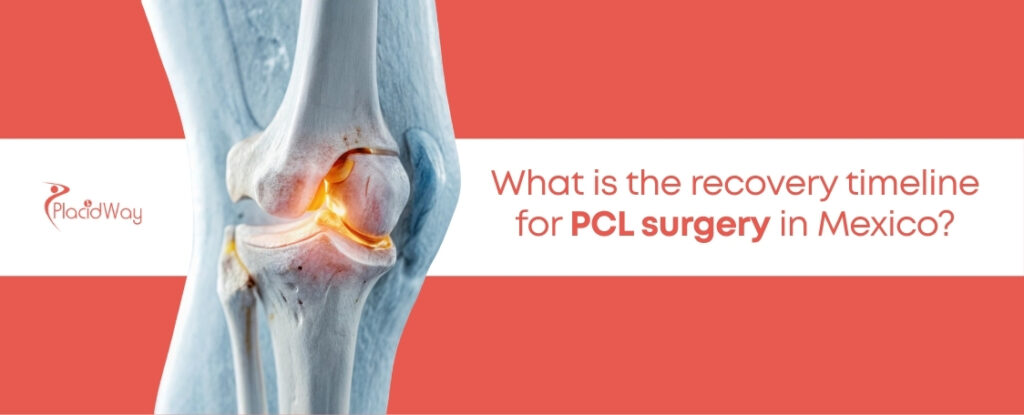
The recovery timeline for PCL surgery in Mexico typically spans 6 to 12 months, beginning with a protected healing phase for the initial 6-8 weeks. This is followed by a structured physical therapy program designed to gradually restore strength and mobility. Patients can often resume light daily activities around 3-4 months post-operation, but a full return to strenuous sports or physically demanding work usually requires 9-12 months. Notably, PCL surgery in Mexico offers significant cost advantages, often being 50-70% less expensive than in the United States.
For individuals considering Posterior Cruciate Ligament (PCL) surgery, understanding the intricate recovery journey is paramount. This orthopedic procedure is a vital step toward restoring knee function and stability, necessitating a dedicated and phased rehabilitation process.
Many patients are increasingly exploring international options for specialized medical care, driven by the desire for quality treatment combined with accessible pricing. Mexico has rapidly emerged as a prominent destination for medical tourism, particularly excelling in orthopedic surgeries like PCL reconstruction.
The country provides a compelling combination of modern medical facilities, highly experienced surgeons, and competitive costs. Preparing for recovery involves setting realistic expectations and committing fully to a personalized rehabilitation program, as outlined by the Orthobullets guide on PCL reconstruction. This article details What Is the Recovery Timeline for PCL Surgery in Mexico? from immediate post-operative care to a full return to active life. PlacidWay serves as a medical tourism facilitator, connecting patients with accredited global healthcare providers rather than acting as a direct provider.
Key Benefits of PCL Surgery Recovery in Mexico
- Structured Rehabilitation: Mexico’s recovery programs are meticulously phased, ensuring gradual and safe progression through physical therapy milestones.
- Significant Cost Savings: PCL surgery in Mexico offers substantial financial benefits, often 50-70% less expensive than equivalent procedures in the United States.
- Experienced Medical Teams: Patients gain access to board-certified orthopedic surgeons and physical therapists who specialize in complex knee rehabilitation.
- Accredited Facilities: Reputable clinics and hospitals in Mexico uphold international accreditations like Joint Commission International (JCI), guaranteeing high standards of patient safety and care.
- Comprehensive Post-Op Support: Many treatment packages include integrated care encompassing surgery, anesthesia, hospital stay, and initial post-operative consultations.
What is Posterior Cruciate Ligament (PCL) Reconstruction Surgery?
PCL reconstruction surgery is an orthopedic procedure designed to repair or replace a torn posterior cruciate ligament in the knee. The PCL is a critical ligament that provides posterior stability to the knee joint, preventing the shinbone from sliding too far backward. This surgery aims to restore the knee’s natural stability and functional integrity, which is essential for both daily activities and athletic performance.
The procedure often employs arthroscopic techniques, utilizing small incisions and a miniature camera to meticulously guide the surgeon. A new graft, typically an allograft from a donor or an autograft harvested from the patient’s own body, is expertly used to reconstruct the damaged ligament. This minimally invasive approach generally leads to reduced post-operative pain and a quicker initial recovery compared to traditional open surgery. Modern surgical advancements continually focus on optimizing graft placement accuracy and tissue integration to ensure robust, long-term outcomes, with protocols often adhering to International Organization for Standardization (ISO) guidelines for medical device quality.
Understanding the Outcomes and Potential Risks of PCL Surgery
Evidence & Outcomes: PCL reconstruction surgery generally achieves high success rates in restoring knee stability and enabling patients to return to their desired activity levels. Clinical studies consistently demonstrate significant improvement in overall knee function and a marked reduction in pain for most individuals who diligently follow their rehabilitation programs. The success of the surgery is critically linked to both the surgeon’s expertise and the patient’s consistent adherence to physical therapy protocols, as emphasized by medical bodies such as the American Academy of Orthopaedic Surgeons (AAOS).
Risks & Contraindications: While PCL surgery is generally safe and effective, it carries potential risks and complications, similar to any major surgical procedure. These can include infection at the surgical site, persistent knee stiffness (arthrofibrosis), ongoing pain, or in rare cases, graft failure, which may necessitate revision surgery. Other uncommon risks involve deep vein thrombosis (blood clots) or damage to surrounding nerves or blood vessels. Patients should seek immediate medical attention if they experience severe or increasing swelling, sudden sharp pain, signs of infection like fever or pus, or numbness. Individual outcomes vary based on factors like age, overall health, and commitment to recovery, making a comprehensive discussion with your surgeon essential.
Did you know that Mexico is home to some of the world’s most advanced medical facilities, where patients often save significant amounts on PCL surgery while receiving care that meets or exceeds international hospital standards? Many clinics proudly hold international accreditations such as Joint Commission International (JCI), affirming their commitment to global healthcare excellence.
How Much Does PCL Surgery Cost in Mexico Compared to Other Countries?
One of the most compelling advantages for patients considering PCL surgery in Mexico is the significant cost reduction. The total expense for the procedure, including all associated care, can be substantially lower compared to Western nations like the United States or Canada, all while maintaining rigorous standards of quality and patient safety. This affordability broadens access to advanced orthopedic treatment for many individuals.
These cost efficiencies are primarily driven by lower operational overheads for medical facilities, reduced malpractice insurance premiums, and a different economic structure influencing pricing for medical supplies and professional fees. Many reputable Mexican clinics offer comprehensive, all-inclusive packages that provide transparency and predictability in financial planning, enabling patients to budget effectively without unexpected costs.
Cost Breakdown
Major Savings
| Country | Estimated Cost | Average Savings |
|---|---|---|
| Mexico | $8,000 – $15,000 | Starting Point Best Value |
| United States | $30,000 – $60,000+ | 0% Savings |
| United Kingdom | $20,000 – $40,000 | 30-60% Savings |
| Canada / Australia | $25,000 – $50,000 | 20-50% Savings |
Essential Facts & Pro-Tips
Your PCL Surgery Recovery Journey in Mexico: A Phased Approach
The medical experience in Mexico is designed for efficiency and patient-focused care, minimizing downtime while strictly adhering to every safety protocol. Your journey begins with thorough preparation and transitions smoothly into post-operative rehabilitation.
Frequently Asked Questions About PCL Surgery Recovery
1. Is it safe to undergo PCL surgery as a medical tourist in Mexico?+
Undergoing PCL surgery in Mexico can be a safe and effective option for medical tourists, provided careful research and selection of facilities. Many hospitals and clinics in larger Mexican cities and border regions are internationally accredited, boasting experienced, board-certified surgeons. These facilities often adhere to stringent international medical standards. Crucially, selecting reputable clinics with transparent practices and clear communication, possibly offering English-speaking staff, significantly enhances safety. It is also wise to consider medical travel insurance and plan your post-operative recovery stay in Mexico.
2. What is the typical PCL surgery recovery timeline in Mexico?+
The typical PCL surgery recovery timeline in Mexico generally spans 6 to 12 months. The initial phase focuses on protected healing, which lasts approximately 6-8 weeks, during which weight-bearing is limited and a brace is worn to safeguard the new graft. This is followed by a progressive physical therapy program designed to restore range of motion, strength, and stability. A full return to high-impact activities and strenuous sports typically occurs around 9-12 months post-surgery, contingent upon meeting rehabilitation milestones and receiving clearance from your surgeon.
3. How long is physical therapy needed for PCL recovery?+
Physical therapy (PT) is a cornerstone of PCL recovery and typically lasts for 6 to 9 months, though it can extend longer based on individual progress and goals. It commences almost immediately after surgery, progressing through distinct phases. The initial weeks focus on pain management, swelling reduction, and gentle range-of-motion exercises. Subsequent phases introduce progressive strengthening for quadriceps and hamstrings, balance training, and proprioception exercises. The final stages involve sport-specific drills and agility training, ensuring a safe and effective return to desired activities. Consistent adherence to your PT program is crucial for optimal results.
4. When can I return to normal activities after PCL surgery in Mexico?+
Returning to normal daily activities after PCL surgery in Mexico is a gradual process that depends heavily on your rehabilitation progress and surgeon’s clearance. Light activities, such as walking for short distances or performing desk work, may be possible around 3 to 4 months post-operation, provided pain is well-managed and knee stability is improving. However, for more strenuous activities like high-impact sports, pivoting maneuvers (e.g., soccer), or heavy lifting, a minimum of 9 to 12 months is typically required. This extended period allows the new PCL graft to fully mature and strengthen, significantly reducing the risk of re-injury. Your physical therapist will conduct specific functional tests to determine your knee’s readiness.
5. What are the immediate post-operative care requirements after PCL surgery?+
Immediate post-operative care following PCL surgery is crucial for a successful recovery. Key requirements include effective pain management, typically with prescribed medications, and consistent swelling reduction using ice and elevation. The surgical incision must be kept clean and dry to prevent infection, and your medical team will provide specific wound care instructions. A knee brace is almost always prescribed to protect the new PCL graft and restrict certain movements, ensuring its initial healing. Additionally, guided by your physical therapist, you will begin very gentle range-of-motion exercises almost immediately to prevent stiffness and initiate the recovery of knee flexibility.
6. What factors can affect PCL surgery recovery speed?+
Several crucial factors significantly influence the speed and effectiveness of PCL surgery recovery. Patient age and overall health play a major role; younger, healthier individuals generally experience faster healing. The severity and complexity of the initial injury, particularly if other knee structures like the meniscus or other ligaments are also damaged, can prolong recovery. Consistent and correct adherence to the prescribed physical therapy program is paramount, as skipping sessions or improper execution can drastically impede progress. Additionally, the specific surgical technique employed and the surgeon’s experience, along with the patient’s motivation and positive mindset, are vital determinants of the recovery trajectory.
7. What should I look for when choosing a clinic for PCL surgery in Mexico?+
When selecting a clinic for PCL surgery in Mexico, thorough research is essential to ensure high-quality care. Prioritize clinics with board-certified orthopedic surgeons who possess extensive experience in PCL reconstruction and ideally specialize in sports medicine or knee surgery. Look for international accreditations such as Joint Commission International (JCI), which signify adherence to global patient safety and quality standards. Inquire about the facility’s technology and equipment, ensuring they utilize modern diagnostic and surgical tools. Transparent pricing, offering a clear, itemized quote without hidden fees, is also critical. Finally, evaluate the comprehensiveness of their care packages, including pre-operative assessments, the surgery, post-operative care, and initial physical therapy arrangements, along with effective communication support.
8. What types of rehabilitation facilities are available for PCL recovery in Mexico?+
Mexico’s medical infrastructure offers a diverse range of rehabilitation facilities catering to PCL recovery patients. Many hospitals and specialized orthopedic clinics that perform PCL surgery have integrated physical therapy departments on-site, providing a seamless transition from the operating room to rehabilitation. Beyond these hospital-based units, numerous independent private rehabilitation centers specialize exclusively in sports injuries and post-surgical recovery. These centers often feature state-of-the-art equipment, which may include aquatic therapy pools, advanced strengthening machines, and gait analysis systems for precise rehabilitation. Some facilities also offer intensive rehabilitation programs tailored for medical tourists, ideal for those planning an extended stay to ensure comprehensive initial recovery phases. The quality of care in these centers is generally high, with many therapists trained in international rehabilitation protocols.
Ready to Take the Next Step Towards Recovery?
Choosing the right destination for your medical care is significant. By opting for treatment abroad, you are not just saving on costs—you are gaining access to specialized clinicians and world-class care.