
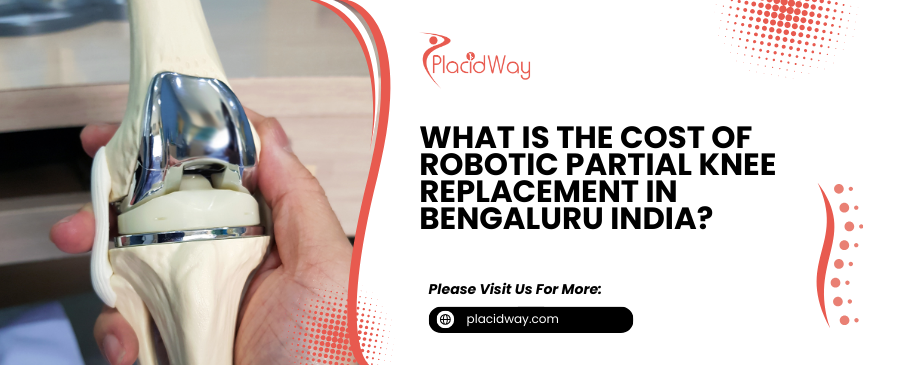
The average cost for robotic partial knee replacement in Bengaluru, India, typically falls between INR 3,00,000 to INR 5,50,000. This estimated cost varies considerably based on individual circumstances and the chosen medical facility. It often includes surgeon’s fees, anesthesia, hospital stay, and initial post-operative consultations, providing a comprehensive package for patients seeking advanced knee treatment.
Considering advanced surgical options for knee pain relief often brings the question of financial outlay to the forefront. Robotic partial knee replacement is an innovative solution that offers significant advantages for eligible patients.
Bengaluru, known as India’s “Silicon Valley,” has also emerged as a hub for medical excellence. The city provides state-of-the-art healthcare facilities and highly skilled surgeons specializing in orthopedic procedures. This makes it an attractive destination for those seeking quality care.
Understanding the precise costs and what influences them is essential for making an informed decision about your knee health. This article explores the details of What Is The Cost Of Robotic Partial Knee Replacement In Bengaluru India? and other critical aspects of this procedure.
Please note that PlacidWay is a medical tourism facilitator, not a medical provider. We connect patients with trusted healthcare facilities and do not offer direct medical advice or treatment. Our goal is to provide transparent, actionable information to assist in your healthcare journey, as highlighted by our extensive resources on medical travel.
Key Takeaways: Benefits of Robotic Partial Knee Replacement in Bengaluru
- Enhanced Precision: Robotic assistance allows for unparalleled accuracy in implant placement, leading to better knee alignment and a more natural feel.
- Faster Recovery: The minimally invasive nature of robotic surgery results in less soft tissue damage, promoting quicker rehabilitation and a shorter hospital stay (typically 1-3 days).
- Superior Outcomes: Patients often experience reduced post-operative pain, improved functional results, and potentially increased implant longevity compared to traditional methods.
- Cost-Effectiveness: Bengaluru offers world-class robotic knee replacement at significantly lower costs, often 50-70% less than in Western countries, without compromising quality.
- Access to Expertise: The city boasts internationally trained and highly experienced orthopedic surgeons, supported by advanced robotic technology and comprehensive post-operative care facilities.
Understanding Robotic Partial Knee Replacement
Robotic partial knee replacement is an advanced surgical procedure tailored to treat osteoarthritis when it affects only one compartment of the knee.
This minimally invasive technique leverages robotic assistance to enhance surgical precision. The surgeon uses a robotic arm to precisely remove damaged bone and cartilage, ensuring accurate positioning of the prosthetic implant.
Systems like MAKO or NAVIO provide real-time feedback and three-dimensional mapping, guiding the surgeon to achieve optimal alignment and fit. This precision aims to preserve healthy bone and ligaments, facilitating a more natural knee feel and quicker recovery compared to total knee replacement.
The procedure focuses on resurfacing only the affected part of the knee, typically performed through smaller incisions. This approach minimizes trauma to surrounding healthy tissues, reducing post-operative pain and accelerating rehabilitation. Patients considering this option for osteoarthritis of the knee can learn more about orthopedic surgery in India through various resources.
Evidence-Based Outcomes and Potential Considerations
Evidence & Outcomes: Clinical evidence suggests that robotic partial knee replacement offers superior outcomes, including greater precision and potentially better long-term function compared to traditional methods. Patients often report reduced soft tissue damage, less post-operative pain, and faster rehabilitation. This advanced accuracy can lead to improved functional results and higher patient satisfaction, as noted in studies comparing robotic versus manual techniques for partial knee arthroplasty, showing significant advantages in implant alignment and kinematic profiles. The precise placement of implants contributes to longevity and a more natural feel for the knee, supporting quicker returns to daily activities.
Risks & Contraindications: While robotic partial knee replacement is generally safe, it carries inherent surgical risks, including infection, blood clots, nerve damage, or implant loosening. Individual results vary significantly based on health, adherence to post-operative care, and the surgeon’s skill. Patients with severe generalized osteoarthritis or certain systemic conditions may not be ideal candidates. Seek immediate medical care if you experience severe pain, redness, swelling, fever, or sudden loss of function in the operated knee. Always consult a qualified orthopedic surgeon to discuss personal risks and benefits before making any treatment decisions.
Did you know that Bengaluru, India, is home to some of the world’s most advanced medical facilities, where patients often save 50-70% on robotic partial knee replacement while receiving care that meets or exceeds international hospital standards? This makes it a top choice for medical tourists seeking quality and affordability.
Robotic Partial Knee Replacement Cost Comparison
The cost advantage of undergoing robotic partial knee replacement in Bengaluru, India, is a significant draw for many patients worldwide. While offering world-class care and advanced technology, the financial outlay is substantially lower compared to Western nations.
This cost-effectiveness extends across various aspects of care, from surgical fees to post-operative rehabilitation. It allows patients to access high-quality treatment without the immense financial burden often associated with such procedures in their home countries. The pricing structure in Bengaluru is designed to be competitive, attracting both domestic and international medical tourists seeking excellent value.
Cost Breakdown
Major Savings
| Country | Estimated Cost | Average Savings |
|---|---|---|
| Bengaluru, India | INR 3,00,000 – 5,50,000 (approx. $3,600 – $6,600 USD) | Starting Point Best Value |
| United States | $18,000 – $28,000 USD | 60-75% Savings |
| United Kingdom | £12,000 – £20,000 (approx. $15,000 – $25,000 USD) | 55-70% Savings |
| Canada / Australia | $16,000 – $26,000 USD | 50-70% Savings |
Essential Facts & Pro-Tips
Your Treatment Journey in Bengaluru
Efficiency is a hallmark of the medical experience in Bengaluru. The process minimizes downtime while ensuring every safety protocol is strictly followed, from initial consultation to discharge.
International patients especially benefit from structured care pathways designed to optimize their medical travel. This includes coordinated appointments and follow-up care tailored to their needs.
Frequently Asked Questions
1. Is this treatment safe in Bengaluru, India?+
Yes, Bengaluru is recognized for its high-quality medical standards, with many hospitals accredited by international bodies. These facilities adhere to global benchmarks for patient care and safety, employing internationally trained surgeons and advanced technology. This ensures a safe environment for robotic partial knee replacement procedures.
2. What factors truly impact the final cost of robotic partial knee replacement?+
Several key factors determine the final cost, including the hospital’s reputation, the surgeon’s experience, and the specific robotic system and implants utilized. The length of hospital stay and the extent of required post-operative rehabilitation also play a significant role. Patients should ask for a detailed cost breakdown.
3. Is this advanced knee surgery typically covered by health insurance in India?+
Yes, robotic partial knee replacement is generally covered by health insurance policies in India if deemed medically necessary. However, the extent of coverage can vary significantly based on your specific policy terms, the sum insured, and whether you choose a network hospital. It is crucial to verify coverage directly with your insurance provider prior to surgery.
4. How does robotic surgery compare in cost and outcome to traditional methods?+
Robotic partial knee replacement usually has a slightly higher upfront cost due to the advanced technology involved. Despite this, it often provides superior outcomes. These include enhanced precision in implant placement, faster recovery times, and potentially better long-term function and patient satisfaction. These benefits can often justify the initial investment.
5. Why is Bengaluru a preferred destination for international patients seeking knee replacement?+
Bengaluru attracts medical tourists due to its blend of high-quality, advanced medical care and significantly lower costs compared to Western nations. The city offers access to state-of-the-art robotic technology, highly skilled English-speaking surgeons, and a supportive environment tailored for international patients, ensuring a comfortable experience.
6. What is the expected recovery timeline for robotic partial knee replacement?+
The recovery is notably swift. Many patients can walk with assistance on the day of surgery, achieving significant functional recovery within 4-6 weeks. Full recovery, allowing a return to most normal activities, typically takes 3-6 months. Adherence to a personalized physical therapy program is crucial for long-term success.
7. Are financing options readily available for robotic knee surgery in Bengaluru?+
Yes, many hospitals in Bengaluru understand the financial commitment involved. They offer various financing options, including EMI (Equated Monthly Installment) plans through partnerships with financial institutions and medical loan providers. Flexible payment arrangements can also be discussed directly with the hospital’s billing department to help manage costs effectively.
8. What should international patients plan for before traveling to Bengaluru for surgery?+
International patients should meticulously plan for visa requirements and travel logistics well in advance. Consider comprehensive medical packages that cover surgical costs, hospital stay, and initial physiotherapy. Arrange for post-operative accommodation and discuss follow-up care plans with your Bengaluru surgeon for a seamless medical journey.
Ready to Take the Next Step Towards Recovery?
Choosing the right destination for your medical care is significant. By opting for treatment abroad, you are not just saving on costs—you are gaining access to specialized clinicians and world-class care.