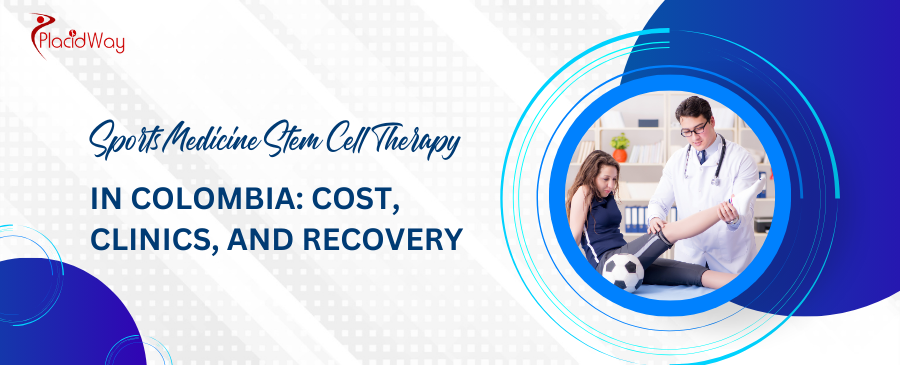
Colombia has emerged as a premier destination for sports medicine stem cell therapy, offering advanced, non-surgical treatments for chronic orthopedic issues like knee osteoarthritis and tendon injuries. Patients can anticipate significant savings, typically 50-70% less than in the US, while benefiting from a favorable regulatory environment and internationally accredited clinics in cities such as Medellín and Bogotá.
For athletes and active individuals facing chronic orthopedic pain or debilitating injuries, the search for effective, affordable treatment often leads beyond national borders. Medical tourism has opened doors to cutting-edge therapies in destinations renowned for both quality and value. Colombia, in particular, stands out as a leading global hub for regenerative medicine, offering innovative solutions for a wide array of sports-related conditions. This article delves into the specifics of Sports Medicine Stem Cell Therapy in Colombia: Cost, Clinics, and Recovery. We explore the scientific basis of these treatments, the distinct advantages Colombia offers, a detailed cost analysis, and what patients can expect during their recovery journey.
With an emphasis on patient safety, transparency, and high-quality care, this guide aims to provide a comprehensive overview for anyone considering regenerative therapy abroad. Understanding the nuances of treatment protocols, recovery timelines, and financial considerations is essential for making informed healthcare decisions. Colombia’s commitment to advanced medical practices, combined with its welcoming culture, provides a compelling option for those seeking a path to renewed health and mobility.
What Are the Key Benefits of Choosing Colombia for Stem Cell Therapy?
- Significant Cost Savings: Patients can save between 50% and 70% on treatment costs compared to prices in the United States.
- Advanced Regulatory Environment: Colombia permits high-potency mesenchymal stem cells (MSCs), including allogeneic donor cells, for more comprehensive protocols.
- World-Class Medical Hubs: Medellín and Bogotá host internationally accredited clinics with top-tier facilities and specialists.
- Effective Treatment for Common Conditions: Knee osteoarthritis and chronic tendon injuries are frequently and successfully treated.
- Comprehensive Patient Support: Many clinics offer all-inclusive packages with bilingual coordinators and logistical assistance for international patients.
How Does Sports Medicine Stem Cell Therapy Work?
Sports medicine stem cell therapy is a regenerative medicine approach designed to repair damaged tissues like cartilage, tendons, and ligaments. It offers a non-surgical alternative for chronic sports injuries that traditional treatments often fail to fully resolve. This advanced technique leverages the body’s intrinsic healing capabilities or utilizes donor cells to restore function and reduce pain, particularly appealing to athletes and active individuals seeking to avoid invasive surgeries and extended recovery periods.
The core of this therapy involves Mesenchymal Stem Cells (MSCs). These versatile cells perform two vital functions for injury recovery. Firstly, they can differentiate, or transform, into various tissue cells such as joint cartilage (chondrocytes), bone (osteocytes), muscle, and fat. When precisely injected into an injured area, MSCs act as crucial building blocks, directly aiding in the structural repair of damaged tissue. Secondly, and perhaps more importantly, MSCs engage in paracrine signaling. They release a cascade of growth factors and potent anti-inflammatory molecules. These molecules actively modulate the immune system, significantly reducing swelling and creating an optimal microenvironment for natural tissue repair. This reduction in inflammation often translates to rapid and noticeable pain relief for patients.
Clinics in Colombia typically employ two primary sources for stem cells. Autologous cells are harvested directly from the patient’s own body, usually from bone marrow or adipose (fat) tissue. This approach is highly favored due to its excellent safety profile, as there is virtually no risk of immune rejection. Alternatively, allogeneic cells are sourced from ethically obtained donor tissues, such as umbilical cord Wharton’s jelly. Colombian regulations often permit the use of these high-potency cells, which can deliver significantly higher cell counts to the injured site. This increased cell concentration can potentially lead to a stronger and more profound therapeutic effect, particularly for complex or widespread orthopedic injuries, offering a broader range of customized treatment options.
What is the Evidence, and What Are the Risks of Stem Cell Therapy?
Evidence & Outcomes: Regenerative medicine is increasingly recognized as a viable alternative to traditional surgery for various chronic and acute orthopedic issues. A 2024 review of multiple clinical trials indicated that mesenchymal stem cell (MSC) therapy for knee osteoarthritis demonstrated superior long-term pain reduction and functional improvement compared to hyaluronic acid injections. This robust evidence solidifies its status as a well-supported treatment option, particularly for conditions where natural healing is insufficient. This therapy primarily focuses on major joints and supporting structures, including knee osteoarthritis (where stem cells are injected to help regenerate cartilage and reduce inflammation) and chronic tendinopathies (where MSCs accelerate the repair of fibrous tissue). The goal is to address the root cause of chronic pain and improve joint function, offering lasting relief.
Risks & Contraindications: While stem cell therapy generally boasts an excellent safety profile, especially with autologous procedures using a patient’s own cells, potential risks must be understood. The primary risks are typically associated with the injection process itself, including minor bleeding, temporary localized pain, or a low risk of infection. These are meticulously managed through stringent sterile environments and precise imaging guidance. However, individual results can vary significantly, and stem cell treatment is not an instant cure; it’s a regenerative process requiring patient commitment to post-treatment rehabilitation. Patients with active cancers, systemic infections, or those on blood thinners may be temporarily or permanently excluded. Certain autoimmune disorders also require highly specialized protocols. It is crucial to have realistic expectations and discuss any medical conditions thoroughly with a qualified specialist. Always seek professional consultation to determine if this therapy is appropriate for your specific health needs.
Did you know that some clinics in Medellín, Colombia, specializing in affordable sports medicine, utilize specialized hypoxic (low-oxygen) conditions to culture stem cells, a technique believed by some researchers to yield more potent and resilient cells before injection? This innovative approach aims to enhance the therapeutic benefits and patient outcomes.
How Much Can You Save on Stem Cell Therapy in Colombia?
The cost-effectiveness of stem cell therapy in Colombia is a primary driver for medical tourists, offering advanced orthopedic treatments at a substantially lower price point than in countries like the United States. Patients frequently report savings of up to $30,000 on complex procedures, making world-class regenerative medicine accessible. This significant affordability gap is attributed to lower operational expenses, reduced insurance overheads, and competitive pharmaceutical pricing in Colombia. The final cost for treatment can vary based on factors such as the stem cell source (autologous versus allogeneic), the number of joints or areas requiring treatment, and the specific concentration or quantity of cells utilized in the procedure. This ensures a personalized approach that balances clinical needs with financial considerations.
Cost Breakdown
Major Savings
| Country | Estimated Cost | Average Savings |
|---|---|---|
| Colombia | $4,000 – $8,000 | 70% Savings Best Value |
| United States | $15,000 – $25,000 | Base Cost |
| Mexico | $3,500 – $15,000 | ~74% Savings |
| Turkey | ~80% Savings |
Essential Facts & Pro-Tips
What Does the Stem Cell Therapy Treatment Journey Entail?
Efficiency is a hallmark of the medical experience in this destination. The process minimizes downtime while ensuring every safety protocol is strictly followed. The typical patient journey for regenerative therapy, especially for medical tourists, is designed to be efficient and integrated, usually spanning 3 to 7 days in the destination city. This streamlined approach begins with a thorough candidacy review and preparation, ensuring optimal patient selection and realistic expectations. Prior to travel, candidates must submit recent imaging studies (MRIs, X-rays) and a comprehensive medical history for specialist review.
Frequently Asked Questions
1. Is stem cell therapy for knees safe in Colombia?+
Stem cell therapy for knee pain is generally considered safe in Colombia, especially at internationally accredited clinics in cities like Bogotá and Medellín. Most procedures use autologous (your own) cells, minimizing rejection risk, and are performed under strict sterile conditions using advanced imaging guidance for precision. Patient safety is a top priority, with clinics adhering to rigorous quality standards and regulatory oversight by INVIMA, the national health authority.
2. How much does stem cell treatment for a shoulder injury cost in Cali, Colombia?+
The cost for stem cell treatment for a shoulder injury, such as a rotator cuff tear, in Cali, Colombia, typically ranges from $4,000 to $7,000 USD. This price usually encompasses the initial consultation, the expense of harvesting and processing the cells, and the injection procedure itself. These costs offer significant savings compared to similar treatments in the United States.
3. How long is the recovery time after a stem cell injection for sports injury?+
The initial recovery period after a stem cell injection is typically short, requiring only 1-3 days of rest with minor discomfort. However, the full regenerative healing process is gradual. Patients usually begin progressive physical therapy within a week, experience noticeable pain reduction over 1-3 months, and observe peak functional improvement between 6 and 12 months post-treatment. Consistent rehabilitation is key to long-term success.
4. Are the stem cells used in Colombia legal or FDA-approved?+
While the use of stem cells for many orthopedic conditions is regulated by INVIMA in Colombia, most commercial protocols, both domestically and internationally, are considered investigational. They are not yet explicitly FDA-approved for general use in the United States. Patients often choose Colombia for quicker access to these advanced, regulated therapies outside of restrictive clinical trial frameworks.
5. Which cities in Colombia are best for orthopedic stem cell tourism?+
Medellín and Bogotá are considered the best cities for orthopedic stem cell tourism in Colombia. These urban centers feature the highest concentration of JCI or locally accredited hospitals, specialized regenerative medicine clinics, and experienced bilingual specialists. Their advanced infrastructure and patient support services make them ideal destinations for international patients seeking high-quality care.
6. Can stem cell therapy help me avoid knee replacement surgery?+
Stem cell therapy is frequently explored as a non-surgical alternative to knee replacement, especially for mild to moderate knee osteoarthritis. By promoting cartilage repair and reducing inflammation, it can significantly delay or, in some cases, potentially eliminate the need for a full knee replacement. This offers a less invasive path to long-term pain relief and improved mobility, allowing patients to maintain their natural joint longer.
7. What kind of savings can I expect on affordable sports medicine Medellín packages?+
Patients traveling to Medellín can expect substantial savings of 50% to 70% on total treatment costs compared to out-of-pocket expenses in the U.S. For instance, a procedure that might cost upwards of $20,000 in the United States could be available as a comprehensive package in Medellín, Colombia, for approximately $8,000 to $12,000, including logistical support and accommodation.
8. What makes Colombian regulatory environment advantageous for stem cell therapy?+
Colombia’s regulatory landscape is uniquely progressive, allowing physicians to safely integrate advanced scientific developments in cell multiplication and delivery systems. This environment often permits the use of high-dose, allogeneic (donor) stem cell therapies, such as those derived from umbilical cord tissue, which are frequently restricted in other countries. This broader access enables highly customized, high-potency treatments, setting Colombian regenerative clinics apart from many Western counterparts and potentially leading to more robust therapeutic effects.
Ready to Take the Next Step Towards Recovery?
Choosing the right destination for your medical care is significant. By opting for treatment abroad, you are not just saving on costs—you are gaining access to specialized clinicians and world-class care.