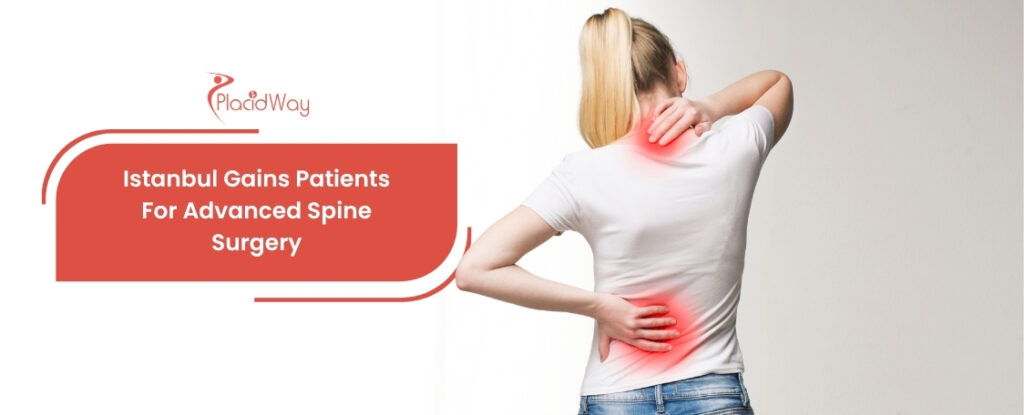
Elite Orthopedic Care in Istanbul, Turkey has emerged as a global leader in the highly specialized field of complex spinal surgery and musculoskeletal rehabilitation. For decades, individuals suffering from debilitating back pain, severe scoliosis, herniated discs, and degenerative spine conditions had to look toward Western Europe or the United States for advanced medical interventions. However, a massive geopolitical and healthcare shift has occurred over the last decade. A new phenomenon known as “spinal tourism” is rapidly gaining momentum, with Istanbul positioning itself as the undisputed epicenter for patients traveling from the Middle East and North Africa (MENA) region.
This surge in medical travel is not a coincidence; it is the result of strategic investments by the Turkish government and private healthcare sectors to build state-of-the-art medical cities, recruit globally trained orthopedic surgeons, and integrate the latest robotic surgical technologies. For Middle Eastern travelers, the appeal is multifaceted. Istanbul offers a unique confluence of world-class medical expertise, cultural familiarity, geographical proximity, and luxurious recovery options, all at a fraction of the cost found in traditional Western healthcare hubs. As the prevalence of spine-related disorders continues to rise globally due to sedentary lifestyles and aging populations, the demand for high-quality, accessible orthopedic care has never been higher. Istanbul’s hospitals have risen to the occasion, offering comprehensive spine centers that rival the most prestigious institutions in the world.
1. The Driving Forces Behind Middle Eastern Spinal Tourism
The influx of Middle Eastern patients to Istanbul for complex orthopedic and spinal care is driven by a combination of necessity and unparalleled convenience. While healthcare systems in the Gulf Cooperation Council (GCC) countries have improved significantly, there remains a notable shortage of sub-specialized surgeons capable of performing highly complex, revision spine surgeries or advanced pediatric scoliosis corrections. Patients facing life-altering spinal conditions often find themselves on long waiting lists or being referred abroad by their domestic health authorities. Istanbul bridges this gap flawlessly. Geographically, it is merely a two to four-hour flight from major Middle Eastern hubs like Dubai, Riyadh, Doha, and Kuwait City. This short travel time is crucial for patients suffering from acute spinal pain, for whom long-haul flights to the US or Germany would be agonizing, if not medically prohibitive.
Furthermore, cultural affinity plays a massive role in the decision-making process. Turkish hospitals have meticulously designed their international patient departments to cater specifically to Arab patients. This includes providing dedicated, native Arabic-speaking case managers who assist patients from the initial consultation through the surgery and post-operative rehabilitation. Hospitals ensure that all dietary requirements are strictly Halal, and prayer facilities are readily available and easily accessible even for patients with limited mobility. This deep cultural understanding significantly reduces the anxiety associated with seeking medical care in a foreign country, allowing patients and their accompanying family members to focus entirely on health and recovery in a welcoming, hospitable environment.
2. Technological Marvels: Robotic Spine Surgery and Navigation
What truly sets elite orthopedic care in Istanbul apart is the unyielding commitment to incorporating cutting-edge medical technology. The modern spinal surgery theater in a top-tier Istanbul hospital looks less like a traditional operating room and more like a scene from the future.
- O-Arm Intraoperative Imaging: This revolutionary 3D imaging system provides surgeons with real-time, 360-degree views of the patient’s anatomy during surgery. This allows for pinpoint accuracy when placing spinal screws and hardware, minimizing the risk of nerve damage.
- Robotic-Assisted Spine Surgery: Systems like Mazor Robotics guide the surgeon’s instruments with sub-millimeter precision. This technology is particularly beneficial for complex spinal fusions and scoliosis corrections, drastically reducing human error.
- Neuromonitoring: Continuous monitoring of the spinal cord and nerves during surgery ensures that any potential neurological compromise is detected instantly, allowing the surgeon to adjust their technique in real-time to prevent paralysis or nerve injury.
- Minimally Invasive Techniques: Using specialized tubular retractors and endoscopes, surgeons can treat herniated discs and spinal stenosis through incisions smaller than a keyhole. This preserves surrounding muscle tissue, significantly reducing post-operative pain and accelerating recovery.
- Custom 3D-Printed Implants: For patients requiring complex spinal reconstruction due to tumors or severe deformities, Istanbul’s top centers utilize 3D printing technology to create bespoke titanium implants that perfectly match the patient’s unique anatomy.
Did you know? Istanbul hosts over 40 Joint Commission International (JCI) accredited hospitals, making Turkey one of the top three countries globally for internationally certified medical facilities, heavily catering to complex spinal and orthopedic procedures.
3. The VIP Patient Experience: Healthcare Meets Luxury Hospitality
Spinal tourism is not just about the surgery; it is heavily focused on the holistic experience of the patient. Recovering from orthopedic surgery can be physically and emotionally taxing. Istanbul has revolutionized the medical tourism model by blending top-tier healthcare with five-star hospitality. From the moment a Middle Eastern patient lands at Istanbul Airport or Sabiha Gökçen, they are greeted by VIP transfer services, often featuring luxury vans equipped with stretchers or modified seating for orthopedic comfort. The anxiety of navigating a bustling foreign city is completely eliminated.
The patient rooms in elite private hospitals are designed to resemble luxury hotel suites rather than sterile clinical wards. They often feature separate living areas for accompanying family members, panoramic views of the Bosphorus, gourmet dining options, and concierge services. Once the acute hospital stay is complete, patients are typically transferred to partnered luxury hotels or wellness resorts that specialize in post-operative care. Here, customized physiotherapy and rehabilitation sessions are conducted in tranquil, spa-like environments. This seamless integration of medical recovery and leisurely relaxation—often referred to as “recuperation tourism”—is a massive draw for affluent travelers from the Middle East who demand comfort and privacy during their healing process.
4. Comprehensive Spine Procedures Drawing Global Attention
The clinical outcomes emerging from Istanbul’s spine centers rival those of the best hospitals in New York, London, or Munich. Patients travel for a wide array of procedures, ranging from routine pain management to highly complex reconstructive surgeries. One of the most common procedures is Minimally Invasive Spinal Fusion, utilized to stabilize the vertebrae and alleviate nerve compression caused by degenerative disc disease or spondylolisthesis. Because Turkish surgeons utilize state-of-the-art minimally invasive techniques, patients who would traditionally spend weeks in bed are now walking within 24 hours of surgery and returning to their home countries within a week.
Another major area of expertise is the treatment of pediatric and adult spinal deformities, such as Scoliosis and Kyphosis. Middle Eastern families frequently bring their children to Istanbul for corrective tethering or fusion surgeries, trusting the high volume of successful cases handled by Turkish pediatric orthopedic specialists. Additionally, Artificial Disc Replacement (ADR) is gaining immense popularity. Unlike traditional fusion that limits mobility, ADR replaces the damaged spinal disc with a high-tech prosthetic, preserving the spine’s natural range of motion. Istanbul has become a central hub for this procedure, offering access to the latest generation of disc implants that are often still pending approval in other parts of the world.
5. Navigating the Medical Journey: A Seamless Pathway to Healing
The process of traveling to Istanbul for spine surgery is heavily optimized to be stress-free. It typically begins with a comprehensive online consultation. Patients upload their MRI scans, X-rays, and medical reports to secure, encrypted portals. Within 48 hours, a multidisciplinary team of neurosurgeons, orthopedic specialists, and radiologists reviews the case. A detailed, transparent treatment plan is then presented to the patient via video conference, complete with a clear timeline and a fixed-price package. This transparency is highly valued by Middle Eastern travelers, who appreciate avoiding hidden fees or surprise medical bills.
Upon arrival and after VIP transport to the hospital, the patient undergoes thorough pre-operative testing to ensure they are fit for surgery. Post-surgery, the focus shifts rapidly to mobilization. Istanbul’s hospitals employ world-class physiotherapists who utilize robotic exoskeletons, hydrotherapy, and advanced kinesiology to accelerate the rehabilitation process. Even after the patient returns to the UAE, Saudi Arabia, Qatar, or Oman, the care does not stop. Telemedicine follow-ups are scheduled routinely to monitor the patient’s progress, ensuring a continuum of care that guarantees long-term success and patient satisfaction.
Cost Breakdown: Global Comparison
One of the most compelling reasons for the rise of spinal tourism in Istanbul is the extraordinary value proposition. Patients receive elite, JCI-accredited care utilizing the exact same surgical robots and implants found in top US or European hospitals, but at a fraction of the cost. The following table provides a general estimate for complex spinal procedures (such as a multi-level spinal fusion or disc replacement) across different regions.
| Region | Estimated Cost |
|---|---|
| United States | $50,000 – $110,000+ |
| United Kingdom / Germany | $35,000 – $65,000 |
| GCC (UAE, Saudi Arabia) | $25,000 – $50,000 |
| Istanbul, Turkey | $8,000 – $18,000 |
Frequently Asked Questions
1. Is it safe to travel to Istanbul for complex spine surgery?
Yes, it is highly safe. Istanbul is home to dozens of JCI-accredited hospitals that adhere to the strictest international healthcare protocols. Turkish orthopedic surgeons often complete their fellowships in the US or Europe and utilize the latest in robotic and minimally invasive technologies, ensuring high success rates and patient safety.
2. How long do I need to stay in Turkey for orthopedic recovery?
The required length of stay depends on the specific procedure. For minimally invasive surgeries like microdiscectomies, patients typically stay 5 to 7 days. For more complex procedures like spinal fusion or scoliosis correction, a stay of 10 to 14 days is recommended to allow for adequate post-operative monitoring and initial physiotherapy before flying back to the Middle East.
3. Do Turkish hospitals provide Arabic translators for Middle Eastern patients?
Absolutely. Elite private hospitals in Istanbul have dedicated international patient centers. They provide native Arabic-speaking case managers and medical translators who accompany the patient 24/7, ensuring seamless communication with medical staff and a comfortable, culturally respectful experience.
4. What types of advanced orthopedic technologies are used in Istanbul?
Istanbul’s spine centers are equipped with world-class technology, including O-Arm 3D intraoperative imaging, neuromonitoring systems, Mazor robotic surgical assistants, and high-definition endoscopic tools. These technologies allow for unparalleled precision, smaller incisions, and faster recovery times.
5. How much can I save on spinal surgery in Istanbul compared to the GCC or the US?
Patients typically save between 50% to 70% compared to healthcare costs in the United States or Western Europe, and often 30% to 50% compared to private healthcare costs within the GCC. These savings do not come at the expense of quality, but rather due to favorable exchange rates and lower operational costs in Turkey.