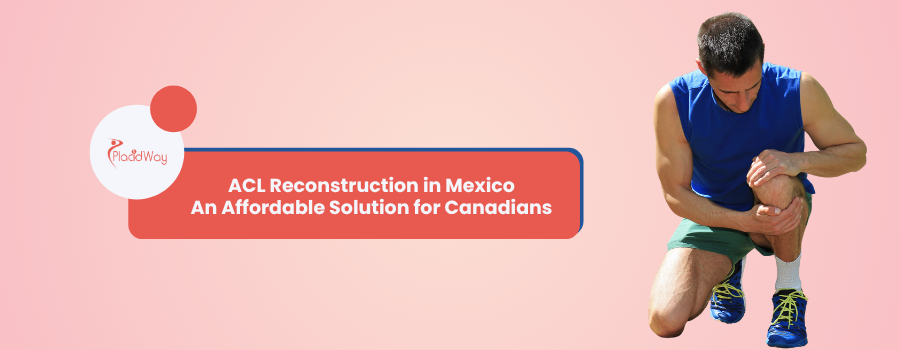
For Canadians facing high costs and long waits for ACL reconstruction, Mexico offers a compelling solution. Patients can save 40%-60% on average, with costs ranging from $8,000 to $17,000 USD. This provides access to world-class orthopedic care in JCI-accredited facilities.
For Canadians, navigating the healthcare landscape for specialized procedures like Anterior Cruciate Ligament (ACL) reconstruction can present significant challenges. This often includes extended waiting lists and prohibitive costs. A torn ACL, a common knee injury frequently seen in athletes and active individuals, demands timely and effective intervention to restore stability and function. Without prompt treatment, long-term complications such as osteoarthritis can arise. In response to these barriers, Mexico has emerged as a premier destination for medical tourism.
Mexico provides access to highly skilled orthopedic surgeons, state-of-the-art medical facilities, and notably more affordable pricing for crucial procedures. This comprehensive guide is designed for Canadians considering ACL Reconstruction in Mexico – An Affordable Solution for Canadians. We will explore the various aspects of choosing Mexico, detailing surgical procedures, comparative costs, the recovery journey, and essential preparation steps for this vital knee surgery. This information empowers patients to make informed decisions for their health.
What Are the Core Benefits of Choosing Mexico for ACL Surgery?
- Significant Cost Savings: Patients can save 40% to 60% on total ACL reconstruction costs by choosing Mexico.
- Affordable Procedure Pricing: Average ACL surgery in Mexico ranges from $8,000 to $17,000 USD, much lower than in Canada or the US.
- All-Inclusive Packages: Many packages cover surgeon fees, hospital stay, anesthesia, post-operative care, and often travel logistics.
- Reduced Wait Times: Mexico provides readily available appointments and expedited treatment, avoiding lengthy delays.
- High-Quality Medical Care: Many Mexican facilities hold international accreditations like JCI, ensuring comparable standards to North American hospitals.
What Exactly is ACL Reconstruction and How Does it Work?
An ACL tear is an injury to the anterior cruciate ligament, a vital band of tissue in the knee connecting the thigh bone to the shin bone. This injury often requires surgical intervention to restore knee stability and rotational control. It is essential for preventing further damage and long-term complications like osteoarthritis.
ACL reconstruction surgery involves replacing the torn ligament with a new tissue graft. This graft can be an autograft, taken from the patient’s own body, such as hamstring, patellar tendon, or quadriceps tendon. Alternatively, an allograft, sourced from a deceased donor, can be used. Your surgeon will discuss the best graft option, considering factors like age, activity level, and overall health. Autografts eliminate disease transmission risks and immune rejection. Allografts avoid donor site pain, but younger patients may have a slightly higher re-tear risk. Each graft type has distinct pros and cons affecting recovery and long-term success. The procedure aims to restore optimal knee function and stability.
What Are the Success Rates and Potential Risks of ACL Reconstruction?
Evidence & Outcomes: ACL reconstruction surgery boasts a high success rate, enabling most patients to return to their previous activity levels, including sports. Studies indicate an 80% to 90% success rate for these procedures when patients adhere strictly to their rehabilitation protocols. The choice of graft, whether autograft or allograft, also plays a role in long-term outcomes. Autografts, particularly the patellar tendon type, are often considered the “gold standard” due to their strong fixation and generally lowest re-tear risk, especially in younger, active individuals.
The focus on robust rehabilitation is a significant determinant of success. Furthermore, many Mexican orthopedic surgeons are internationally trained, having completed their education in the US, Canada, or Europe. This international exposure ensures they are proficient in advanced surgical techniques and utilize the latest medical technologies, contributing to high success rates. The consistent quality of care in JCI-accredited Mexican facilities further underscores the reliability of outcomes for medical tourists.
Risks & Contraindications: While ACL reconstruction has a high success rate, it is still a surgical procedure with potential risks, though generally low. These include infection at the surgical site (rare, approximately 1 in 200 cases), and stiffness (arthrofibrosis) from excess scar tissue, emphasizing the importance of early physical therapy. Patients might experience persistent pain, especially anterior knee pain with patellar tendon grafts, or numbness due to minor nerve damage. Graft failure or re-tear is a risk, particularly in younger, highly active individuals, potentially requiring revision surgery. Blood clots (DVT) and anesthesia complications are also rare but possible. Individual results can vary significantly, depending on factors like adherence to rehabilitation, age, and overall health. It is crucial to have a thorough discussion with your surgeon about these risks and your specific medical history before proceeding. Always seek personalized medical advice.
Did you know that Mexico is home to some of the world’s most advanced medical facilities, many of which hold international accreditations like Joint Commission International (JCI)? This means patients often save significant amounts on ACL reconstruction while receiving care that meets or exceeds international hospital standards.
How Does ACL Reconstruction Cost in Mexico Compare to Other Countries?
One of the primary motivations for Canadians seeking medical treatment abroad is the cost savings. ACL reconstruction in Mexico can be an incredibly affordable option, often leading to 40% to 60% savings when compared to costs in Canada and the USA. This is especially true when considering comprehensive packages. Many medical tourism packages in Mexico are all-inclusive, covering surgeon fees, anesthesiologist fees, hospital and operating room costs, pre-operative consultations, and initial physical therapy sessions. Some even include accommodation and ground transportation, simplifying the process for international patients.
Cost Breakdown
Major Savings
| Country | Estimated Cost (USD) | Average Savings vs. Mexico |
|---|---|---|
| Mexico | $8,000 | Starting Point Best Value |
| United States | $20,000 | 60% Savings |
| United Kingdom | N/A | N/A |
| Canada / Australia | $10,950 (approx. CAD $15,000) | 27% Savings |
Essential Facts & Pro-Tips
What is the Typical Timeline for ACL Reconstruction and Recovery?
Efficiency is a hallmark of the medical experience in Mexico. The process minimizes downtime while ensuring every safety protocol is strictly followed. The journey for ACL reconstruction in Mexico is streamlined, typically requiring a stay of 5 to 10 days for immediate post-operative care and initial rehabilitation phases.
Frequently Asked Questions
1. Is this treatment safe in Mexico, and how qualified are the surgeons?+
Yes, Mexico is generally safe for medical tourists, particularly when choosing reputable, JCI-accredited hospitals and clinics in established medical tourism cities like Tijuana, Cancun, or Guadalajara. Many orthopedic surgeons in Mexico are highly qualified, board-certified, and often have international training from institutions in the US, Canada, or Europe. It’s recommended to select clinics and surgeons with verified credentials and positive patient reviews to ensure the highest standards of care and a successful outcome for your ACL reconstruction.
2. How long should I plan to stay in Mexico for ACL reconstruction?+
A typical stay for ACL reconstruction in Mexico, encompassing pre-operative assessments, the surgery itself, and initial recovery, usually ranges from 5 to 10 days. This duration allows for essential immediate post-operative care and the commencement of initial physical therapy sessions. This period ensures you are stable and have a foundational understanding of your rehabilitation program before you travel back home to Canada. Proper planning for this stay is crucial for a smooth transition.
3. Will my Canadian health insurance cover ACL surgery performed in Mexico?+
Generally, provincial health plans in Canada do not cover elective surgeries, such as ACL reconstruction, when they are performed outside of Canada. However, it is crucial to consult your specific provincial health authority and carefully review any private travel or medical tourism insurance policies you may hold. Some private policies might offer partial coverage for complications or certain medical treatments received abroad, so thorough investigation beforehand is always recommended to avoid unexpected costs.
4. What steps should I take if complications arise after returning to Canada?+
Reputable clinics in Mexico will provide comprehensive post-operative instructions and may offer virtual follow-up consultations to monitor your progress once you are back home. Should any complications arise upon your return to Canada, the standard procedure would be to seek immediate care from your local family doctor or an orthopedic specialist in your area. Close communication between your Mexican medical team and Canadian providers is encouraged for seamless care continuity.
5. Is it possible to combine my ACL recovery with a vacation in Mexico?+
While Mexico is renowned for its beautiful destinations, the primary focus immediately following ACL reconstruction should be on essential rest and strict adherence to your prescribed rehabilitation program. Engaging in strenuous activities or extensive travel should be avoided during the critical healing phase. Light sightseeing might be permissible during the later stages of your recovery in Mexico, but priority must remain on healing to prevent re-injury and ensure optimal long-term results.
6. What is the overall success rate of ACL reconstruction surgery?+
ACL reconstruction surgeries are highly successful, typically achieving an 80% to 90% success rate. This allows the majority of patients to effectively return to their pre-injury activity levels, including participation in sports. The long-term success of the surgery is significantly dependent on the patient’s commitment to and consistent adherence to the comprehensive physical therapy and rehabilitation program. Following post-operative guidelines meticulously is key to maximizing positive outcomes.
7. What are the different types of ACL reconstruction grafts available?+
ACL reconstruction primarily utilizes two types of grafts: autografts and allografts. Autografts are harvested from the patient’s own body, such as the patellar tendon, hamstring tendon, or quadriceps tendon. They offer no risk of disease transmission or immune rejection and generally have a lower re-tear rate. Allografts are obtained from deceased donors, avoiding donor site morbidity but carrying a small, though extremely rare, risk of disease transmission and potentially a higher re-tear rate in younger patients. Your surgeon will recommend the best option based on individual patient factors.
8. How does Mexico ensure high-quality care for international patients?+
Many medical facilities in Mexico cater specifically to international patients and hold accreditations from organizations like Joint Commission International (JCI). These accreditations signify adherence to rigorous international standards for patient safety and quality of care. Furthermore, a significant number of Mexican orthopedic surgeons have received advanced training in the US, Canada, or Europe. This brings a wealth of expertise, modern techniques, and a patient-centered approach to their practice, ensuring high-quality care for medical tourists.
Ready to Take the Next Step Towards Recovery?
Choosing the right destination for your medical care is significant. By opting for treatment abroad, you are not just saving on costs—you are gaining access to specialized clinicians and world-class care, ensuring a faster return to your active life.