The cost of orthopedic surgery in Mexico is significantly lower than in the United States or Canada, typically ranging from $6,000 to $25,000 USD for major procedures like joint replacements or spinal surgery. This represents substantial savings, often between 50% to 89% compared to North American prices, making crucial procedures financially accessible without compromising on quality or safety.
Facing a diagnosis that requires orthopedic surgery can be an overwhelming experience, especially when grappling with the significant financial burden of procedures such as joint replacements or spinal surgery in your home country.
For many individuals, Mexico has emerged as a promising destination, offering access to high-quality orthopedic surgery at a fraction of the cost. This comprehensive guide will address your essential questions regarding the costs and critical considerations involved in pursuing orthopedic procedures in Mexico.
As a dedicated medical tourism facilitator, PlacidWay connects patients with trusted and accredited healthcare providers worldwide. We strive to provide transparent information and support throughout your medical journey. Understanding how much is orthopedic surgery in Mexico is the first step toward restoring your mobility and improving your quality of life.
This article synthesizes expert analysis and comprehensive data from reputable sources to offer a clear overview of what to expect, drawing from clinical insights and patient experiences to ensure you make an informed decision.
Exploring the Advantages of Orthopedic Surgery in Mexico
- Significant Cost Savings: Patients can achieve savings of 50% to 89% on major orthopedic procedures, making essential surgeries more affordable and accessible.
- High Quality of Care: Many Mexican facilities employ board-certified surgeons, utilize advanced technology, and hold international accreditations, ensuring high standards.
- Comprehensive Packages: All-inclusive surgical packages often cover surgeon’s fees, hospital stay, medications, and sometimes even physical therapy and transportation.
- Access to Expertise: Mexican orthopedic surgeons often possess international training and extensive experience in complex joint and spinal procedures.
- Reduced Wait Times: International patients frequently benefit from shorter waiting periods compared to healthcare systems in their home countries.
What is Orthopedic Surgery and How Does it Help?
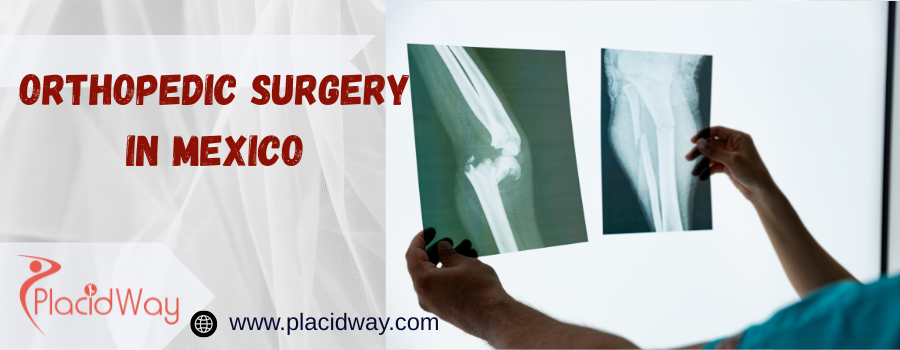
Orthopedic surgery is a medical specialty focused on the diagnosis, correction, prevention, and treatment of patients with skeletal deformities—disorders of the bones, joints, muscles, ligaments, tendons, and nerves.
It aims to restore function, alleviate pain, and improve the quality of life for individuals suffering from musculoskeletal conditions. This can range from treating acute injuries like fractures to managing chronic conditions such as arthritis or spinal degeneration.
Procedures include joint replacements, where damaged joints like hips or knees are replaced with prosthetic components, and spinal surgeries such as fusion or discectomy to stabilize the spine or relieve nerve compression. Arthroscopy, a minimally invasive technique, allows surgeons to diagnose and treat joint problems through small incisions, as detailed by leading orthopedic practices.
Understanding Quality and Potential Risks in Orthopedic Procedures
Evidence & Outcomes: The lower cost of orthopedic surgery in Mexico does not inherently imply a compromise in quality or safety. Many reputable clinics and hospitals boast state-of-the-art facilities and employ board-certified, experienced orthopedic surgeons, some with international training, utilizing advanced technology, often adhering to high standards of care comparable to those in the US or Canada. A significant number of these institutions hold international accreditations like Joint Commission International (JCI), a globally recognized benchmark for patient safety and quality, confirming their commitment to excellence. For example, a 2023 review of medical tourism trends highlighted the consistent safety records of JCI-accredited facilities in popular destinations like Mexico, as per an analysis published on PlacidWay’s Learning Center.
Risks & Contraindications: While orthopedic surgery generally has high success rates, potential risks, though rare, include infection, blood clots, nerve damage, or complications from anesthesia. It is vital to discuss your full medical history with your surgeon, including any allergies or existing conditions, as these could contraindicate certain procedures. Individual results and recovery times vary significantly based on patient health, procedure complexity, and adherence to post-operative care instructions. Seek immediate care if you experience severe pain, excessive swelling, fever, or signs of infection post-surgery.
Did you know that Mexico is home to some of the world’s most advanced medical facilities, where patients often save significant amounts on orthopedic surgery while receiving care that meets or exceeds international hospital standards?
How Much Can You Save on Orthopedic Surgery in Mexico?
The financial relief offered by orthopedic surgery in Mexico is a primary motivator for many patients. These considerable savings mean that crucial procedures, which might be financially out of reach in their home countries, become accessible.
Patients undergoing orthopedic surgery in Mexico can expect substantial overall cost reductions, typically ranging from 50% to 89% compared to the prices for similar procedures in the United States or Canada. This significant financial advantage makes Mexico a highly attractive option.
Cost Breakdown for Orthopedic Surgery in Mexico
Major Savings
| Country | Estimated Cost (USD) | Average Savings |
|---|---|---|
| Mexico | $9,500 – $20,000 | Starting Point Best Value |
| United States | $30,000 – $75,000 | 50% – 70% Savings |
| United Kingdom | $25,000 – $60,000 | 40% – 60% Savings |
| Canada / Australia | $28,000 – $70,000 | 50% – 80% Savings |
Essential Facts & Pro-Tips
What to Expect: Your Orthopedic Treatment Journey
Efficiency is a hallmark of the medical experience in this destination. The process minimizes downtime while ensuring every safety protocol is strictly followed.
Frequently Asked Questions About Orthopedic Surgery in Mexico
1. Is this treatment safe in Mexico?+
Yes, many orthopedic centers in Mexico uphold international safety standards. They employ highly qualified, often board-certified surgeons and utilize advanced medical technologies. Seeking facilities with international accreditations, such as Joint Commission International (JCI), provides an additional layer of assurance regarding patient safety protocols and quality of care.
2. What is typically included in an orthopedic surgery package in Mexico?+
Orthopedic surgery packages in Mexico are often comprehensive. They typically cover the surgeon’s fees, anesthesiologist’s fees, hospital stay, and necessary pre-operative evaluations and tests. Post-operative care, including medications during hospitalization, and sometimes even initial physical therapy sessions and local transportation, may also be included for patient convenience.
3. Why is orthopedic surgery cheaper in Mexico?+
The affordability in Mexico stems from a lower cost of living, which translates to reduced healthcare operational expenses for clinics and hospitals. Additionally, competitive market dynamics within the medical tourism sector and lower labor costs for medical professionals contribute to the significantly lower pricing compared to countries like the US or Canada.
4. Are there any hidden costs to consider?+
While many clinics offer transparent packages, potential additional costs might include extensive pre-operative diagnostic imaging (like MRI/CT scans if not explicitly covered), medications after discharge from the hospital, and extended physical therapy or rehabilitation services. Travel and accommodation expenses are also important to budget for if they are not part of an all-inclusive medical tourism package.
5. How do I choose a reputable clinic or surgeon in Mexico?+
Thorough research is essential. Look for clinics and surgeons with international accreditations (e.g., JCI), verified board certifications, and extensive experience in your specific procedure. Reading patient reviews and testimonials, conducting virtual consultations with multiple providers, and checking for transparency in safety protocols and patient outcomes are crucial steps. A reputable medical tourism facilitator can also assist in vetting options.
6. What is the recovery process like after orthopedic surgery in Mexico?+
The recovery process is comparable to that in other countries. It involves an initial hospital stay for observation and pain management, followed by a critical period of physical therapy and rehabilitation. Clinics typically provide detailed post-operative instructions and support, which may extend to arranging follow-up therapy in Mexico or providing guidance for continuing care back home.
7. What types of orthopedic surgeries are commonly performed?+
Mexico offers a wide range of orthopedic procedures. Most commonly performed are hip replacement surgery, total knee replacement (TKR), spinal fusion, and various arthroscopic procedures for knee and shoulder issues, as well as ACL surgery. These procedures address conditions like severe arthritis, disc herniation, and ligament tears, restoring mobility and reducing chronic pain for patients globally.
8. How does Mexico compare to other medical tourism destinations?+
Mexico stands out as a top medical tourism destination due to its proximity to the US and Canada, offering shorter travel times and easier access for North American patients. Its combination of significantly lower costs, high-quality medical infrastructure, and experienced specialists makes it highly competitive compared to other global hubs, ensuring patients receive excellent value and care.
Ready to Take the Next Step Towards Recovery?
Choosing the right destination for your medical care is significant. By opting for treatment abroad, you are not just saving on costs—you are gaining access to specialized clinicians and world-class care.