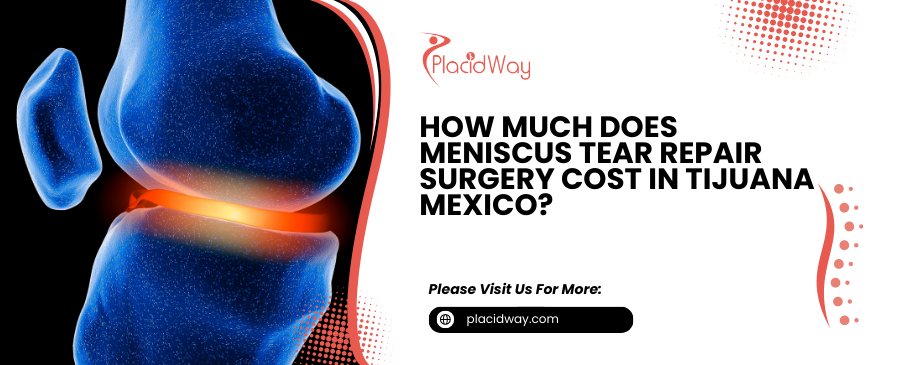
Meniscus tear repair surgery in Tijuana, Mexico, generally ranges from $3,500 to $6,000. This represents a significant cost saving compared to prices in the United States, which can often exceed $10,000 to $20,000 for the same procedure. Patients benefit from both affordability and high-quality care.
Experiencing a meniscus tear can significantly impact your daily life, causing pain, swelling, and limited mobility. When surgical intervention becomes a necessary consideration, understanding the associated costs is often a primary concern for patients.
For many in the United States, especially those in Southern California, Tijuana, Mexico, has emerged as a compelling option. This border city offers advanced healthcare services at a fraction of the cost found domestically, without compromising on the quality of care or the expertise of medical professionals.
This article delves into the various aspects of How Much Does Meniscus Tear Repair Surgery Cost In Tijuana Mexico? It provides a detailed breakdown of expenses, typical inclusions in surgical packages, and the factors influencing the final price. We also explore the compelling reasons to consider Tijuana for your knee surgery needs, highlighting the quality of care, recovery expectations, and available procedure types. Please note that PlacidWay is a medical tourism facilitator, not a medical provider. We connect patients with accredited clinics and surgeons worldwide, helping you make informed decisions about your healthcare journey based on comprehensive information and transparent pricing, as supported by the PlacidWay Medical Tourism Guide.
Key Benefits of Meniscus Tear Repair in Tijuana
- Significant Cost Savings: Patients can expect to save 50-70% compared to equivalent procedures in the United States, making high-quality surgery more accessible.
- High-Quality Medical Care: Many clinics in Tijuana are internationally accredited, featuring modern technology and board-certified, often US-trained, orthopedic surgeons.
- Convenient Accessibility: For US patients, especially those in Southern California, Tijuana offers easy access by car, reducing travel time and expenses.
- Comprehensive Treatment Packages: Many surgical costs in Tijuana are all-inclusive, covering surgeon’s fees, anesthesia, and facility use for transparent budgeting.
- Restored Knee Function: Successful repair can alleviate pain, restore full range of motion, and prevent long-term complications like arthritis.
Understanding Meniscus Tear Repair Procedures
Meniscus tear repair surgery is an orthopedic procedure primarily aimed at alleviating pain, restoring knee function, and preventing further damage to the knee joint. It addresses tears in the meniscus, a C-shaped piece of cartilage that acts as a shock absorber between your shinbone and thighbone.
The procedure is typically performed using arthroscopy, a minimally invasive technique. This involves small incisions through which a surgeon inserts a tiny camera and specialized instruments to visualize and repair the torn cartilage. The choice of procedure depends on factors like the tear’s location, size, and the patient’s age and activity level, as detailed by leading orthopedic practices.
The primary types of meniscus procedures include arthroscopic repair, partial meniscectomy, and, less commonly, total meniscectomy. Arthroscopic repair involves stitching the torn edges to preserve the natural tissue, ideal for tears in the “red zone” with better blood supply. Partial meniscectomy, or trimming the damaged portion, is common for tears in the “white zone” (poor blood supply) or complex tears, offering faster recovery. Total meniscectomy, which removes the entire meniscus, is rarely performed due to its link with early-onset arthritis.
Evidence-Based Outcomes and Potential Risks
Evidence & Outcomes: Meniscus tear repair surgery, particularly arthroscopic techniques, generally boasts high success rates for pain relief and improved knee function. Studies published in orthopedic journals indicate that a majority of patients experience significant functional improvement and a return to daily activities within several months. Furthermore, preserving the meniscus through repair can help prevent the long-term progression of arthritis, as noted by organizations like the American Academy of Orthopaedic Surgeons.
Risks & Contraindications: While generally safe, meniscus tear repair carries potential risks common to any surgery, including infection, persistent knee stiffness, or nerve/blood vessel damage. A small possibility of meniscus re-tear exists, particularly with strenuous activity too soon. Complications from anesthesia are also rare but possible. Individuals should consult a qualified physician to understand personal risks, and seek immediate medical care if they experience severe pain, excessive swelling, fever, or signs of infection after surgery.
Did you know that Tijuana, Mexico, is home to some of the world’s most advanced medical facilities, where patients often save significant amounts on meniscus tear repair surgery while receiving care that meets or exceeds international hospital standards?
Meniscus Tear Repair Surgery Cost Comparison
The cost of meniscus tear repair surgery is a primary driver for medical tourism, especially to destinations like Tijuana, Mexico. Patients can find substantial financial relief without compromising on the quality of medical care.
Tijuana’s competitive pricing is attributed to lower operational costs, favorable exchange rates, and a high volume of international patients. This allows clinics to offer comprehensive packages at rates significantly below those in the United States, often including essential services in the quoted price.
Cost Breakdown
Major Savings
| Country | Estimated Cost | Average Savings vs. US |
|---|---|---|
| Tijuana, Mexico | $3,500 – $6,000 | Up to 70% Best Value |
| United States | $10,000 – $20,000 | (Baseline Cost) |
| United Kingdom | $12,000 – $22,000 | Variable Savings |
| Canada / Australia | $11,000 – $21,000 | Variable Savings |
Essential Facts & Pro-Tips
Your Meniscus Repair Treatment Journey in Tijuana
Embarking on a medical journey requires clear expectations and a well-defined timeline. In Tijuana, the process for meniscus tear repair is structured to be efficient, comprehensive, and patient-focused, ensuring every step from consultation to post-operative care is handled with precision.
Frequently Asked Questions
1. What is included in the cost of meniscus repair surgery in Tijuana?+
The cost typically covers the surgeon’s fees, anesthesia, and the use of the hospital or surgical facility. Some packages may also include pre-operative consultations and basic post-operative care, but specifics should always be confirmed directly with your chosen clinic. This ensures transparent budgeting and avoids unexpected expenses during your medical journey.
2. How do factors like tear complexity affect the final cost?+
The complexity of the meniscus tear significantly influences the final cost. Simple tears may require a less involved meniscectomy, while larger or more complex tears, such as a bucket-handle tear, might necessitate a more extensive repair. Repair procedures often cost more due to increased surgical time and specialized materials. Additionally, the clinic’s reputation and the surgeon’s experience also play a role in pricing variations.
3. Is the quality of surgery in Tijuana comparable to US procedures?+
Yes, many Tijuana clinics offer quality comparable to US procedures. They often hold international accreditations like JCI, utilize modern technology, and employ highly skilled, board-certified surgeons, some with US training. These facilities are designed to meet rigorous international standards for patient safety and successful outcomes, making Tijuana a reliable option for medical treatment abroad.
4. What is the typical recovery timeline for meniscus tear repair?+
Initial recovery, with restricted activity, typically lasts 4 to 6 weeks. Full return to normal activities and sports can range from 3 to 6 months. This timeline varies based on the tear’s severity, the surgical method used (repair vs. removal), and strict adherence to post-operative physical therapy. Your surgeon will provide a personalized rehabilitation plan.
5. What types of meniscus tear procedures are available?+
The primary procedures include arthroscopic repair, partial meniscectomy, and, rarely, total meniscectomy. Arthroscopic repair stitches the tear, aiming to preserve the meniscus. Partial meniscectomy removes only the damaged portion. Total meniscectomy, which involves removing the entire meniscus, is generally avoided due to its long-term implications for knee health.
6. What preparation is needed for surgery in Tijuana?+
Preparation involves a thorough medical evaluation by your local doctor, securing a valid passport, and arranging travel and accommodation in Tijuana. Your chosen clinic will provide specific pre-operative instructions, and a patient coordinator can assist with logistics. Plan to arrive a day or two early for final consultations and to settle in before your procedure.
7. Are financing options available for surgery in Mexico?+
Most Tijuana clinics typically operate on an upfront cash payment basis, usually in US dollars. While direct financing options from the clinics vary, patients can explore medical financing companies, personal loans, or credit cards from their home country to help cover the costs. It’s important to research these options thoroughly to understand all terms and conditions.
8. What are the key benefits and potential risks of meniscus surgery?+
Benefits include pain relief, improved knee function and stability, and prevention of further knee damage and arthritis progression. Risks, though rare, can involve infection, stiffness, nerve or blood vessel damage, or a re-tear of the meniscus. Complications from anesthesia are also a minor consideration. A thorough discussion with your surgeon will cover these aspects.
Ready to Take the Next Step Towards Recovery?
Choosing the right destination for your medical care is significant. By opting for treatment abroad, you are not just saving on costs—you are gaining access to specialized clinicians and world-class care.