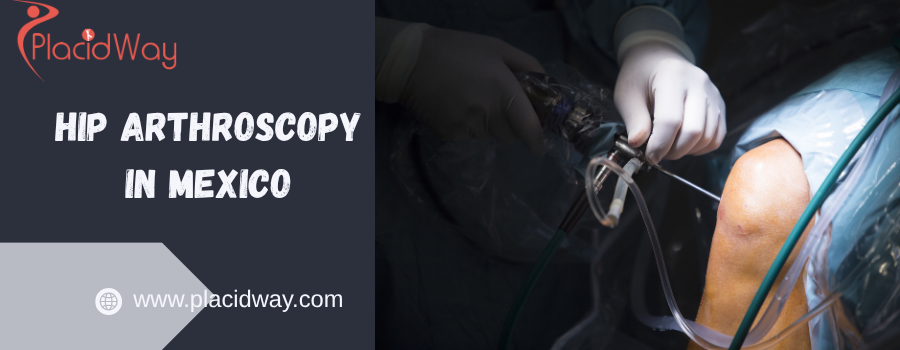
The cost of hip arthroscopy in Mexico typically ranges from $4,000 to $10,000 USD as of June 2025. This price usually includes the surgeon’s fee, anesthesia, operating room use, and immediate post-operative care. This represents substantial savings, often 50% to 70% less than equivalent procedures in the United States or Canada, without compromising the quality of care provided by highly skilled specialists in modern facilities.
Chronic hip pain, stiffness, and limited movement can profoundly impact daily life, making activities like walking, sitting, or exercising challenging. When conservative treatments fail to provide lasting relief, hip arthroscopy offers a minimally invasive solution to diagnose and treat problems within the hip joint.
This advanced procedure involves making small incisions and using specialized instruments, including a tiny camera (arthroscope), to visualize and repair issues such as labral tears, femoroacetabular impingement (FAI), or cartilage damage. For many individuals experiencing persistent hip discomfort, particularly those from the United States and Canada, exploring options in Mexico presents an attractive and significantly more affordable alternative to domestic healthcare.
This growing trend is supported by insights from global health organizations, as noted by recent studies on medical tourism trends, highlighting the appeal of destinations like Mexico. Understanding how much does hip arthroscopy cost in Mexico? is crucial for prospective patients.
As a medical tourism facilitator, PlacidWay connects patients with trusted, vetted healthcare providers worldwide, guiding them through every step of their treatment journey abroad without directly providing medical care.
Exploring Key Benefits of Hip Arthroscopy in Mexico
- Significant Cost Savings: Patients can expect to save 50% to 70% on hip arthroscopy procedures compared to prices in the United States or Canada, making high-quality care more accessible.
- Access to Expert Surgeons: Many Mexican orthopedic surgeons are board-certified, having undergone rigorous training and often pursuing additional international fellowships, ensuring a high level of expertise.
- Modern, Accredited Facilities: Reputable clinics in Mexico operate in licensed, state-of-the-art surgical centers, with some holding international accreditations that signify adherence to global safety and quality standards.
- Comprehensive Care Packages: Many providers offer all-inclusive packages that cover surgeon fees, anesthesia, facility charges, and immediate post-operative care, providing transparency and minimizing unexpected costs for international patients.
- Efficient Recovery Support: Clinics offer clear post-operative instructions, including wound care and pain management, often with initial physical therapy guidance to support a smooth recovery process.
Understanding Hip Arthroscopy: What Does the Procedure Involve?
Hip arthroscopy is a minimally invasive surgical procedure that allows orthopedic surgeons to visualize, diagnose, and treat problems inside the hip joint without making a large incision. It typically involves using a small camera (arthroscope) and specialized surgical tools.
During the procedure, several small incisions, usually less than an inch long, are made around the hip. The arthroscope is inserted through one incision, projecting real-time images of the joint’s interior onto a monitor. Through other incisions, tiny instruments are used to address various hip pathologies.
Commonly treated conditions include repairing tears in the labrum—the cartilage rim stabilizing the hip joint—or correcting femoroacetabular impingement (FAI), which involves reshaping bone irregularities. These advanced techniques allow for precise diagnosis and repair, leading to improved patient outcomes according to leading orthopedic journals.
Assessing Outcomes and Potential Risks of Hip Arthroscopy
Evidence & Outcomes: Hip arthroscopy has a high success rate, especially for treating labral tears and FAI, with many patients reporting significant pain reduction and improved mobility. Reports from the American Academy of Orthopaedic Surgeons frequently highlight successful interventions. The proficiency of surgeons, often performing a high volume of these procedures, contributes to favorable long-term outcomes for appropriately selected patients.
Risks & Contraindications: While generally safe, hip arthroscopy carries risks such as infection, bleeding, blood clots, nerve damage, or persistent stiffness. Individual outcomes vary based on the specific condition, its severity, and patient adherence to rehabilitation. Seek immediate medical care if you experience severe fever, escalating pain unresponsive to medication, or signs of deep vein thrombosis like significant leg swelling or redness; always consult a qualified physician for personalized advice.
Did you know that Mexico is home to some of the world’s most advanced medical facilities, where patients often save significant amounts on hip arthroscopy while receiving care that meets or exceeds international hospital standards? Many facilities hold JCI accreditation.
How Much Does Hip Arthroscopy Cost in Mexico Compared to Other Countries?
The affordability of hip arthroscopy in Mexico is a primary draw for international patients, with costs often 50% to 70% lower than in the United States or Canada. This significant price difference stems from several economic factors, including reduced operational costs for medical facilities, lower labor wages for highly skilled professionals, and favorable exchange rates, all without compromising the quality of care.
Reputable Mexican clinics leverage these economic advantages to offer competitive, transparent, and often all-inclusive packages. Patients can access state-of-the-art equipment and techniques at a fraction of the cost typically found in Western countries, making specialized orthopedic care financially viable for many.
Hip Arthroscopy Cost Comparison
Major Savings
| Country | Estimated Cost (USD) | Average Savings vs. US (Approx.) |
|---|---|---|
| Mexico | $4,000 – $10,000 | Starting Point Best Value |
| United States | $25,000 – $50,000 | 0% |
| United Kingdom | $20,000 – $45,000 | Up to 50% |
| Canada / Australia | $22,000 – $48,000 | Up to 55% |
Essential Facts & Pro-Tips
Your Hip Arthroscopy Journey in Mexico: What to Expect
Embarking on a hip arthroscopy journey in Mexico involves a streamlined and patient-focused process designed for efficiency and comfort. From initial assessment to post-operative care, each stage is managed with precision to minimize downtime while ensuring strict adherence to safety protocols.
Frequently Asked Questions About Hip Arthroscopy in Mexico
1. What are the typical costs for hip arthroscopy in Mexico by procedure type?+
The cost of hip arthroscopy in Mexico varies significantly based on the specific condition being addressed. A diagnostic arthroscopy, primarily for internal visualization and minimal intervention, typically ranges from $4,000 to $5,000 USD. Procedures involving active repair, such as labral repair, generally cost between $5,500 and $8,000 USD. For more complex interventions like Femoroacetabular Impingement (FAI) correction, prices can range from $6,500 to $10,000 USD, often including combined labral repair.
Addressing cartilage repair or debridement falls within the $5,000 to $8,000 USD range. The exact price will be determined after a thorough consultation with an orthopedic surgeon who assesses your unique hip condition and recommends the most appropriate surgical approach.
2. What is typically included in the cost of hip arthroscopy in Mexico?+
The cost of hip arthroscopy in Mexico commonly includes several key components, especially with reputable clinics offering transparent, all-inclusive packages. These typically cover the orthopedic surgeon’s fee, the anesthesiologist’s fee, and charges for the hospital or surgical center, which includes operating room use and essential medical supplies. Immediate post-operative care and an initial supply of pain medication and antibiotics are also standard inclusions.
Most packages further include pre-operative consultations, basic diagnostic tests like blood work and EKG, and initial follow-up appointments during your stay in Mexico. Items generally not included are extensive long-term physical therapy, travel and accommodation expenses, and any potential future revision surgeries. Always request a detailed, itemized quote for complete transparency.
3. Why is hip arthroscopy more affordable in Mexico than in Western countries?+
Hip arthroscopy is significantly more affordable in Mexico due to a combination of economic factors. Lower operational costs for clinics and hospitals, including rent and administrative expenses, play a major role. Additionally, labor wages for highly skilled medical professionals, while competitive, are generally lower than in North American countries. This economic advantage is a primary driver, as detailed in studies on global healthcare economics, making specialized treatments accessible.
Favorable exchange rates for the US dollar and Canadian dollar against the Mexican Peso further enhance savings for international patients. Mexico’s competitive medical tourism market also encourages clinics to offer attractive and transparent pricing to attract international clients, all while maintaining high quality standards and utilizing international-standard equipment and techniques.
4. What factors influence the total cost of hip arthroscopy in Mexico?+
Several factors influence the total cost of hip arthroscopy in Mexico. The primary determinants are the specific hip condition being treated, such as a labral tear or Femoroacetabular Impingement (FAI), and the overall complexity of the required surgical repair. More severe or intricate pathologies necessitate longer surgical times and specialized instrumentation, which can increase the price.
The surgeon’s experience and reputation, as well as the chosen clinic or hospital (e.g., internationally accredited facilities often have higher fees), also play a role. Additional procedures performed concurrently with the arthroscopy, like capsule repair, will naturally add to the total cost. Furthermore, the duration of anesthesia and the extent of post-operative inclusions in the package can affect the final price.
5. Are Mexican orthopedic surgeons qualified for hip arthroscopy?+
Yes, many Mexican orthopedic surgeons specializing in hip arthroscopy are highly qualified and board-certified. They undergo rigorous training, completing a demanding medical degree followed by a specialized residency program in orthopedic surgery and traumatology. The gold standard for qualification is certification by the Mexican Council of Orthopedics and Traumatology (CMOT), which ensures adherence to national and international best practices.
Many leading surgeons further specialize in sports medicine or hip arthroscopy through fellowships, often pursuing advanced training internationally. This international exposure brings a global perspective and cutting-edge techniques to their practice. Surgeons in popular medical tourism hubs often perform a high volume of hip arthroscopies annually, contributing to their advanced proficiency. Most medical teams catering to international patients are also fluent in English, ensuring clear communication.
6. What is the typical recovery timeline after hip arthroscopy in Mexico?+
Recovery after hip arthroscopy is a phased process requiring patience and adherence to rehabilitation protocols. Immediately post-op, patients experience acute discomfort, swelling, and soreness, managed with pain medication. Initial mobility is restricted, often requiring crutches for 2-4 weeks with limited weight-bearing.
The first 2-3 days in Mexico are the most uncomfortable, followed by gentle range-of-motion exercises. Comprehensive physical therapy typically begins once you return home, focusing on strengthening hip and core muscles, improving gait, and restoring full range of motion over 2-3 months. Full recovery and return to higher activity levels can take 4-6 months or longer, highly dependent on individual progress and adherence to the plan, often aligning with established rehabilitation guidelines.
7. How can I ensure safety and quality when getting hip arthroscopy in Mexico?+
Ensuring safety and quality in medical tourism requires diligent research. Prioritize board-certified orthopedic surgeons with extensive, verifiable experience specifically in hip arthroscopy, confirming their credentials with the Mexican Council of Orthopedics and Traumatology (CMOT). Verify that the chosen hospital or surgical center is fully licensed by the Mexican Ministry of Health. Clinics often seek international accreditations like Joint Commission International (JCI), signifying a commitment to global benchmarks for patient safety and quality.
Demand transparent, itemized quotes to avoid hidden costs. A reputable clinic will conduct comprehensive pre-operative evaluations and provide clear post-operative care plans, including instructions for wound care and physical therapy. Furthermore, consider purchasing comprehensive medical travel insurance that covers potential complications or emergency medical evacuation to safeguard your investment and well-being. Good communication with English-speaking staff is also vital.
8. What common hip conditions can hip arthroscopy treat?+
Hip arthroscopy is a versatile procedure capable of treating various common conditions causing hip pain and dysfunction. One of the most frequent issues addressed is a labral tear, which is a tear in the ring of cartilage that lines the outer rim of the hip socket. Surgeons can repair or debride these tears, restoring stability to the joint.
Another common condition is Femoroacetabular Impingement (FAI), where bone irregularities on the femoral head (cam deformity) or acetabulum (pincer deformity) cause painful rubbing and damage to the labrum or cartilage. Arthroscopy can precisely reshape these bones to alleviate impingement. The procedure is also used to treat cartilage damage within the joint, remove loose bodies, address hip flexor issues, and manage some cases of early osteoarthritis.
Ready to Take the Next Step Towards Recovery?
Choosing the right destination for your medical care is significant. By opting for treatment abroad, you are not just saving on costs—you are gaining access to specialized clinicians and world-class care.