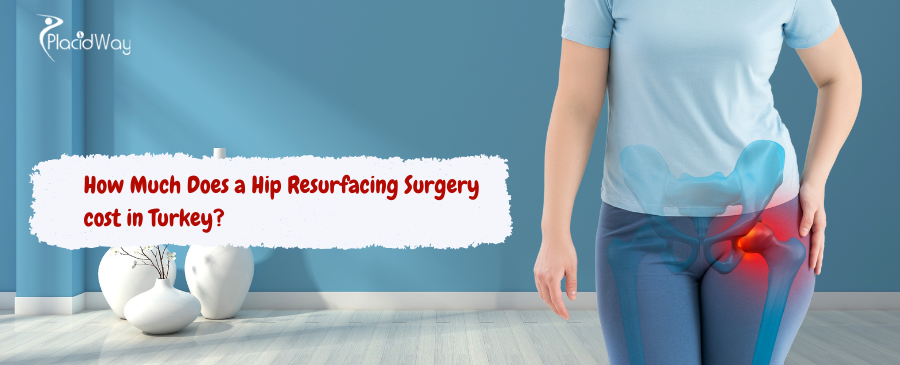
The average cost for hip resurfacing surgery in Turkey typically falls between $6,500 and $16,000. This pricing is notably lower than in many Western countries, such as the United States, where the procedure can exceed $40,000. These substantial savings, often up to 60-70% or more, include the surgery, hospital stay, and comprehensive related services.
If you are experiencing persistent hip pain and exploring surgical solutions, you may have considered hip resurfacing. The high cost of orthopedic procedures in your home country can present a significant obstacle to necessary care.
In this context, Turkey has emerged as a prominent destination for medical tourism. It offers world-class orthopedic care at a fraction of the price found in many developed nations. This comprehensive guide aims to provide a detailed overview of the costs, benefits, and key considerations involved in pursuing How Much Does a Hip Resurfacing Surgery cost in Turkey?
We will examine everything from average prices to what you can expect from all-inclusive packages. By addressing common patient inquiries, we empower you to make an informed decision about your health and medical travel. Please note that PlacidWay is a medical tourism facilitator, connecting patients with providers, and is not a direct medical provider.
Patients globally are increasingly looking for high-quality, cost-effective healthcare options. Turkey’s appeal lies in its combination of affordability and advanced medical facilities.
Why Consider Hip Resurfacing in Turkey? Key Benefits
- Significant Cost Savings: Access top-tier surgical care for a fraction of the cost found in many Western countries, making it a financially viable option.
- High-Quality Medical Standards: Benefit from internationally accredited hospitals and highly experienced, board-certified orthopedic surgeons.
- Comprehensive Treatment Packages: Enjoy all-inclusive packages that streamline your medical journey, often covering surgery, hospital stay, and logistics.
- Advanced Surgical Techniques: Receive care utilizing modern technology and the latest bone-preserving surgical approaches for better long-term outcomes.
- Efficient Recovery Process: Leverage structured post-operative care and rehabilitation designed for optimal healing, often in a supportive environment.
What is Hip Resurfacing Surgery and How Does it Work?
Hip resurfacing is a bone-conserving orthopedic procedure that aims to alleviate hip pain and restore joint function. It involves reshaping the damaged femoral head and capping it with a smooth metal covering, while also replacing the acetabulum (hip socket) with a metal shell.
This technique is generally less invasive than a total hip replacement (THR) because it preserves more of the patient’s natural bone structure. During the surgery, the orthopedic surgeon accesses the hip joint, typically through a posterior or anterior approach, depending on the patient’s anatomy and surgeon’s preference. The damaged cartilage and a small amount of bone are carefully removed from the femoral head.
A custom-fitted metal cap is then placed over the reshaped femoral head. Simultaneously, a metal shell is implanted into the acetabulum to create a new, smooth articulating surface. This procedure is particularly favored for younger, more active patients with good bone quality, as it may allow for a more active lifestyle post-recovery compared to some traditional hip replacements.
The choice between hip resurfacing and a total hip replacement depends on several factors, including the patient’s age, bone density, and activity level. Comprehensive pre-operative assessments, including X-rays and MRI scans, help determine the most suitable surgical approach.
Evidence-Based Outcomes and Potential Risks of Hip Resurfacing
Evidence & Outcomes: Hip resurfacing surgery generally boasts high success rates, especially in carefully selected younger, active patients. Studies indicate that metal-on-metal hip resurfacing implants can have 10-year survival rates exceeding 90% in appropriate candidates, with many patients reporting significant pain reduction and improved mobility, according to research published by the National Institutes of Health (NIH). Long-term follow-up data continues to support the durability of these implants for suitable patients.
Risks & Contraindications: While effective, hip resurfacing carries potential risks, including infection, blood clots, nerve damage, and leg length discrepancy. A specific concern with metal-on-metal implants is the potential for metal ion release, which may lead to adverse reactions or implant failure in some individuals. It is crucial to discuss these risks thoroughly with a qualified orthopedic surgeon, as individual results can vary significantly.
Seek immediate care if you experience severe pain, sudden swelling, fever, or signs of infection post-surgery. Contraindications include poor bone quality, active infection, and certain metabolic bone diseases. Your surgeon will evaluate your medical history to determine if hip resurfacing is the right choice for your specific condition.
Did you know that Istanbul, Turkey, is home to some of the world’s most advanced medical facilities, where patients often save significant amounts on Hip Resurfacing Surgery while receiving care that meets or exceeds international hospital standards?
How Much Does a Hip Resurfacing Surgery Cost in Turkey Compared to Other Countries?
The significant cost advantage of hip resurfacing in Turkey is a primary driver for international patients. While maintaining high standards of care, Turkish hospitals offer prices that are substantially lower than those in North America or Western Europe.
For instance, a hip resurfacing procedure that can cost upwards of $40,000 to $70,000 in the United States may be available for as little as $6,500 to $16,000 in Turkey. These savings often represent 60-70% or more, allowing patients to cover travel and accommodation costs while still realizing considerable financial benefits. This affordability is due to lower operational costs, favorable currency exchange rates, and government support for medical tourism, without compromising on quality or surgical expertise.
Cost Breakdown: Hip Resurfacing Surgery Across Nations
Major Savings
| Country | Estimated Cost (USD) | Average Savings vs. US |
|---|---|---|
| Turkey | $6,500 – $16,000 | 83.75% Savings Best Value |
| United States | $40,000 – $70,000+ | 0% (Base Reference) |
| United Kingdom | $16,000 – $23,000 | 60% Savings |
| Poland | $7,000 – $10,000 | 82.5% Savings |
Essential Facts & Pro-Tips
A Typical Hip Resurfacing Treatment Journey in Turkey
Embarking on a medical journey for hip resurfacing in Turkey involves a streamlined process designed for international patients. Clinics prioritize efficiency and patient comfort, from initial consultations to post-operative recovery.
The journey begins with comprehensive pre-operative assessments and continues through the surgical procedure itself. Following the surgery, dedicated recovery and observation periods ensure optimal healing and patient safety. This structured approach helps minimize downtime while adhering to rigorous medical protocols, providing peace of mind to patients seeking care abroad.
Frequently Asked Questions About Hip Resurfacing in Turkey
1. Is the quality of hip resurfacing surgery in Turkey reliable?+
Yes, the quality of hip resurfacing surgery in Turkey is generally considered reliable. Many hospitals in major cities are internationally accredited, using modern technology and equipment. They also employ highly qualified, board-certified orthopedic surgeons with extensive experience treating international patients.
2. What factors influence the final cost of hip resurfacing in Turkey?+
The final cost is influenced by the hospital’s reputation and accreditation, the orthopedic surgeon’s experience, the specific brand and type of implant utilized, and the services included in your chosen treatment package. More complex cases or premium implants will naturally incur higher costs.
3. What is typically included in a hip resurfacing package in Turkey?+
A standard all-inclusive package often covers surgeon’s fees, anesthesia, the implant, pre-operative tests, hospital stay, nursing care, necessary medications, and initial physical therapy sessions. Many also include hotel accommodation and airport transfers for international patients, offering a comprehensive and stress-free experience.
4. Why is hip resurfacing surgery cheaper in Turkey?+
Lower operational costs, including labor and overhead for medical facilities, contribute significantly to affordability. Turkey’s strong economy and favorable currency exchange rates also play a role, allowing for lower prices without compromising on the quality of medical equipment or surgical expertise.
5. What are the main differences between hip resurfacing and total hip replacement?+
Hip resurfacing is a bone-conserving procedure that reshapes and caps the damaged bone, preserving more of the natural structure. A total hip replacement, conversely, removes and replaces both the ball and socket of the hip joint entirely with prosthetic implants. Each approach has specific indications and ideal patient profiles.
6. How long is the recovery period for hip resurfacing surgery?+
Initial recovery often involves a hospital stay of a few days, followed by several weeks of physical therapy to regain strength and mobility. Full recovery can vary but typically ranges from 3 to 6 months, depending on individual patient factors and adherence to rehabilitation protocols. Your surgeon will provide a personalized timeline.
7. Do I need a visa to travel to Turkey for medical treatment?+
Visa requirements vary by country of origin. Many nationalities can enter Turkey without a visa for short stays, or obtain an e-Visa online. It’s essential to check the latest visa policies for your specific nationality well in advance of your travel date. Your medical tourism facilitator can offer guidance on this process.
8. How do I choose a reputable surgeon and clinic in Turkey?+
When selecting a clinic and surgeon, prioritize international accreditations like JCI. Look for board-certified orthopedic surgeons with extensive experience in hip resurfacing and positive patient reviews. Consider communication in English, transparency in pricing, and the availability of comprehensive patient support services. A reputable medical tourism facilitator can assist in vetting providers.
Ready to Take the Next Step Towards Recovery?
Choosing the right destination for your medical care is significant. By opting for treatment abroad, you are not just saving on costs—you are gaining access to specialized clinicians and world-class care.
Related Resources