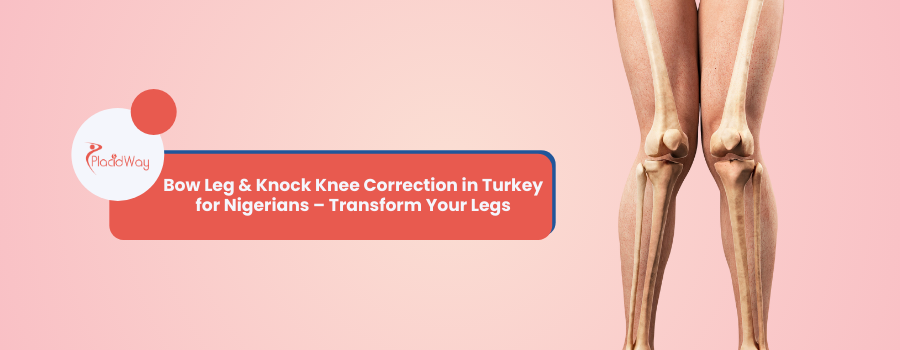
For Nigerian patients, Turkey offers significant advantages for leg correction surgery. They can save 50-70% on costs while accessing world-class orthopedic expertise in JCI-accredited hospitals. This combination of affordability and high-quality care makes Turkey a prime medical tourism destination for transformative leg surgery.
Many individuals, particularly from Nigeria, face daily challenges due to conditions like bow legs (genu varum) and knock knees (genu valgum). These misalignments are often more than cosmetic; they cause significant pain, restrict mobility, and can lead to long-term joint damage. The quest for effective, affordable treatment is a pressing concern for these patients.
Turkey has rapidly established itself as a premier global destination for advanced orthopedic care. It offers a viable and appealing solution for those seeking to enhance their leg alignment and improve their overall quality of life. This detailed guide explores why Turkey is an optimal choice for Nigerian patients pursuing specialized orthopedic procedures.
We will cover surgical procedures, associated costs, recovery expectations, and Turkey’s reputation as a world-class medical tourism hub. Our aim is to provide comprehensive information, empowering you to make informed decisions for your journey toward improved mobility and enhanced aesthetics through Bow Leg & Knock Knee Correction in Turkey for Nigerians – Transform Your Legs.
What Are the Key Advantages of Seeking Leg Correction in Turkey?
- Significant Cost Savings: Nigerian patients can save 50-70% on surgery costs in Turkey compared to Western countries, without compromising quality.
- World-Class Orthopedic Expertise: Turkey offers JCI-accredited hospitals and highly experienced surgeons using advanced techniques.
- Comprehensive Medical Packages: All-inclusive packages often cover surgery, hospital stay, consultations, transfers, and accommodation.
- Faster Access to Treatment: Patients can avoid long waiting lists common in other countries, ensuring prompt procedure scheduling.
- Improved Quality of Life: Correction addresses pain, enhances mobility, and boosts self-esteem through straighter, more aligned legs.
What Are Bow Legs and Knock Knees, and How Are They Corrected?
Bow legs (genu varum) and knock knees (genu valgum) are orthopedic conditions characterized by the misalignment of the legs. Genu varum occurs when knees bow outwards, creating a distinct gap between the knees when standing with feet together. Conversely, genu valgum involves the knees touching or “knocking” while the ankles remain apart.
These conditions can arise from various factors, including genetic predispositions, developmental issues during childhood, past injuries, or underlying medical conditions like rickets. The misalignments often lead to physical discomfort, an uneven distribution of weight across the joints, and can accelerate the wear and tear on knee cartilage, potentially resulting in early-onset osteoarthritis. Beyond the physical symptoms, the visible impact of bowed or knocked knees can profoundly affect an individual’s self-esteem and overall quality of life. Many patients seek correction not only for pain relief and improved functional mobility but also for the significant psychological benefits associated with having straighter, more aligned legs.
Turkish orthopedic centers employ several advanced surgical techniques tailored to individual patient needs. For growing children and adolescents, Guided Growth (Hemiepiphysiodesis) is a minimally invasive option. It involves strategically placing small plates or screws on one side of the growth plate near the knee. This method guides bone growth over time, gradually correcting the deformity with minimal downtime. For adults, Osteotomy (Bone Reshaping Surgery) is the most common approach. This procedure involves a precise cut in the tibia or femur, where a wedge of bone is either removed or added to realign the leg. The bone is then stabilized with plates, screws, or rods as it heals. In more complex cases, especially those requiring limb lengthening, External Fixation Systems may be utilized. These external devices allow for gradual, precise adjustments over weeks or months, offering excellent control over the correction process.
What Evidence Supports Leg Correction Surgery, and What Are the Potential Risks?
Evidence & Outcomes: Orthopedic surgery for bow legs and knock knees has a strong track record of success. Modern techniques, especially osteotomy, demonstrate significant improvements in leg alignment, pain reduction, and preventing further joint damage. Patients often experience restored mobility and a notable boost in confidence.
Turkish hospitals, many holding prestigious JCI accreditation, utilize state-of-the-art equipment and employ highly trained orthopedic surgeons. These specialists are experienced in complex limb deformity corrections, ensuring optimal and lasting results for their patients. The focus on advanced surgical techniques and meticulous planning contributes to these positive outcomes.
Risks & Contraindications: While generally safe, leg correction surgery carries inherent risks, similar to any major surgical procedure. Potential complications include infection at the surgical site, the formation of blood clots, nerve damage, or issues with bone healing (non-union or delayed union). There is also a small risk of over-correction or under-correction, which may require further intervention.
Certain pre-existing conditions or overall poor health might serve as contraindications, requiring careful evaluation by a specialist. It is crucial to remember that individual results can vary based on a patient’s age, the severity of the deformity, adherence to post-operative instructions, and overall health. Always seek personalized advice from a qualified healthcare professional to discuss your specific case, understand all potential risks, and determine the most appropriate treatment plan. Do not rely solely on generalized information for such critical health decisions. Warning signs like unusual pain, swelling, fever, or pus discharge should prompt immediate medical attention.
Did you know that Turkey is among the top 10 medical tourism destinations globally, attracting over a million patients annually? This reflects its commitment to quality, strategic location, and competitive pricing in procedures like bow leg and knock knee correction.
How Do Leg Correction Costs in Turkey Compare Globally?
The financial burden of medical procedures is often a major concern for patients, including those from Nigeria. Turkey’s healthcare system provides a distinct advantage by offering world-class care at a significantly lower cost than many Western nations. This affordability stems from lower operational expenses, favorable exchange rates, and robust governmental support for the medical tourism sector. When evaluating bow leg or knock knee surgery costs, it is crucial to consider the entire package, not just the surgical fee.
Cost Breakdown for Osteotomy
Major Savings
| Country | Estimated Cost | Average Savings (vs. Turkey Avg $10,000) |
|---|---|---|
| Turkey (Istanbul, Ankara) | $7,000 – $15,000 | Starting Point Best Value |
| United States | $25,000 – $50,000+ | Up to 71% Savings |
| United Kingdom | $20,000 – $40,000+ | Up to 67% Savings |
| India | $6,000 – $12,000 | Comparable to slightly lower than Turkey |
Essential Facts & Pro-Tips
What Does a Typical Leg Correction Treatment Journey in Turkey Look Like?
The medical tourism experience in Turkey is designed for international patients, ensuring a seamless and supportive journey. From your first contact to post-operative care, Turkish hospitals prioritize efficiency and patient well-being. This structured process minimizes stress and maximizes the focus on your recovery and successful outcome.
Frequently Asked Questions
1. Is this treatment safe in Turkey?+
Yes, leg correction surgery in Turkey is generally considered safe, particularly in JCI-accredited hospitals. These facilities adhere to strict international patient safety standards and are equipped with state-of-the-art technology. Experienced orthopedic surgeons specialize in complex limb deformity corrections, minimizing risks and ensuring effective outcomes. Patients receive meticulous pre-operative planning and comprehensive post-operative care, further enhancing safety.
2. How long is the recovery period for bow leg or knock knee surgery?+
The recovery period for leg correction surgery typically ranges from 3 to 6 months. This duration depends on the specific surgical procedure, the patient’s age, and their dedication to the physical therapy program. Initial recovery may involve several weeks of non-weight-bearing activities, gradually progressing to full weight-bearing with support. Consistent adherence to medical advice is crucial for optimal healing.
3. What is the typical cost for Nigerian patients in Turkey?+
The cost for bow leg or knock knee correction (osteotomy) in Turkey typically ranges from $7,000 to $15,000 USD. This price often includes the surgery, hospital stay (3-7 nights), initial consultations, and some post-operative care. This makes it significantly more affordable than similar procedures in Western countries, offering substantial savings for Nigerian patients.
4. Do Turkish hospitals have advanced orthopedic equipment?+
Absolutely. Many hospitals in major Turkish cities, such as Istanbul and Ankara, are well-equipped with state-of-the-art technology. They boast modern infrastructure for advanced orthopedic procedures, including specialized diagnostic imaging and sophisticated surgical tools. These facilities ensure that patients receive high-quality care comparable to leading international medical centers, with routine performance of complex bone reshaping and guided growth procedures.
5. What types of leg correction surgeries are performed in Turkey?+
The most common procedures offered in Turkey include osteotomy (bone reshaping and realignment), guided growth (ideal for growing children and adolescents), and in specific complex cases, the use of external fixation devices. The choice of procedure is highly individualized, depending on factors like the patient’s age, the severity of the leg deformity, and their overall health status.
6. Do Nigerians need a visa to travel to Turkey for medical treatment?+
Yes, Nigerian citizens are generally required to obtain a visa to enter Turkey. For medical purposes, patients should apply for a medical visa. It is highly recommended to secure supporting documents from the chosen Turkish hospital, as these can significantly facilitate the visa application process and ensure a smoother entry into the country for treatment.
7. How long should patients plan to stay in Turkey for the treatment?+
Generally, patients can expect to stay in Turkey for approximately 2 to 4 weeks for leg correction surgery. This timeframe accounts for pre-operative assessments, the surgical procedure itself, initial hospital recovery, and essential follow-up consultations. This ensures patients are medically cleared for safe travel back home to continue their rehabilitation.
8. Can both bow legs and knock knees be corrected simultaneously?+
In certain cases, bilateral correction (treating both legs) can be performed simultaneously, particularly for osteotomies. However, this decision is made on a case-by-case basis. The surgeon will consider the patient’s overall health, the complexity of both deformities, and the potential impact on recovery. Patient safety and achieving optimal outcomes are always the primary considerations for simultaneous procedures.
Ready to Take the Next Step Towards Recovery?
Choosing the right destination for your medical care is significant. By opting for treatment abroad, you are not just saving on costs—you are gaining access to specialized clinicians and world-class care, ensuring a holistic approach to your health and well-being. Explore the possibilities for your leg transformation journey today.