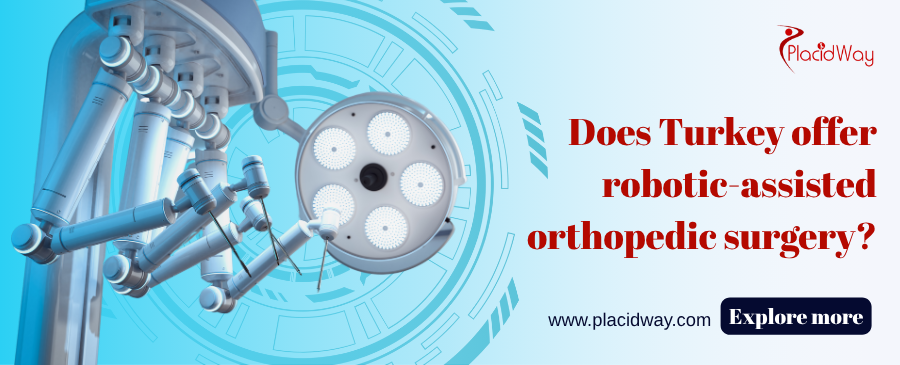
Yes, Turkey is a prominent destination for robotic-assisted orthopedic surgery, offering state-of-the-art technology and highly skilled surgeons. Patients benefit from greater precision, reduced pain, and faster recovery times. The cost of these advanced procedures is often 50-70% less than in countries like the United States, the UK, or Canada, without compromising on quality of care.
Considering advanced orthopedic surgery often leads patients to explore international options for quality and affordability. Turkey has rapidly established itself as a leading global hub for medical tourism, particularly in specialized fields like orthopedic surgery. This includes offering cutting-edge robotic-assisted procedures.
Patients seeking solutions for severe joint pain and limited mobility are increasingly looking to Turkish hospitals. These facilities boast state-of-the-art equipment and highly trained medical professionals. The integration of advanced robotics ensures enhanced precision and control during complex operations.
This innovative approach to joint replacement and other orthopedic interventions is revolutionizing patient outcomes. It provides greater precision, less pain, and significantly faster recovery times. If you are exploring options for knee replacement, hip replacement, or other orthopedic interventions, understanding this technology is essential. PlacidWay is a medical tourism facilitator, connecting patients with trusted healthcare providers worldwide.
This comprehensive guide will walk you through everything you need to know about robotic-assisted orthopedic surgery in Turkey. You will learn about its benefits, availability, cost-effectiveness, and what to expect during your medical journey.
What Are the Key Benefits of Robotic-Assisted Orthopedic Surgery?
- Enhanced Precision: Robotic arms allow surgeons to perform procedures with unparalleled accuracy, optimizing implant placement.
- Minimally Invasive: This approach typically involves smaller incisions, leading to less damage to surrounding healthy tissues.
- Reduced Pain: Patients often experience significantly less postoperative pain, decreasing the need for strong pain medications.
- Faster Recovery: The precise and less invasive nature of the surgery can lead to a quicker return to daily activities.
- Improved Longevity: Optimal implant alignment and balancing can contribute to a more natural-feeling joint and extended implant lifespan.
Understanding Robotic-Assisted Orthopedic Surgery: A Detailed Definition
Robotic-assisted orthopedic surgery is a minimally invasive procedure where surgeons use a robotic arm to perform complex joint replacements and other orthopedic surgeries with enhanced precision and control. This advanced technique ensures optimal implant positioning and bone alignment.
This advanced surgical technique is not about a robot performing the surgery independently. Instead, it serves as a sophisticated tool controlled by a highly skilled orthopedic surgeon. The robotic system provides a detailed 3D visualization of the surgical area, enabling the surgeon to develop a personalized surgical plan tailored to each patient’s unique anatomy.
During the procedure, the robotic arm delivers real-time feedback, ensuring the surgeon’s movements are incredibly precise. This meticulous accuracy is vital for the optimal placement of implants, leading to better long-term function. It is akin to an expert artist utilizing a highly sophisticated brush, allowing for finer strokes and intricate details that would be challenging with standard tools, as noted by leading orthopedic journals. This precision translates into superior alignment and balancing of the joint, fostering a more natural feel and improved longevity.
Analyzing the Evidence and Potential Risks of Robotic Orthopedic Procedures
Evidence & Outcomes: Evidence suggests that robotic-assisted orthopedic surgery leads to high patient satisfaction and improved functional outcomes. Studies published in reputable medical journals demonstrate superior accuracy in implant positioning and reduced rates of revision surgery. This is a significant advantage over traditional methods, reflecting a positive shift in orthopedic care, according to research insights from the American Academy of Orthopaedic Surgeons.
Risks & Contraindications: As with any surgical procedure, robotic-assisted orthopedic surgery carries potential risks. These include infection, blood clots, implant failure, and nerve or blood vessel damage. While complications are rare due to advanced technology and surgical precision, it is crucial to discuss these with your surgeon. Seek immediate medical attention if you experience severe pain, swelling, fever, or signs of infection after surgery. Individual results may vary, and a thorough consultation with a qualified physician is essential to determine suitability.
Did you know that Turkey is home to some of the world’s most advanced medical facilities, where patients often save significant amounts on robotic-assisted orthopedic surgery while receiving care that meets or exceeds international hospital standards? Major cities like Istanbul, Ankara, and Izmir are equipped with the latest systems.
How Does the Cost of Robotic-Assisted Orthopedic Surgery in Turkey Compare?
One of the most compelling advantages of choosing Turkey for robotic-assisted orthopedic surgery is the significant cost savings. Patients can expect prices that are often 50-70% lower than those in Western countries. This makes high-quality, advanced medical care accessible to a broader range of individuals.
The affordability is attributed to lower operational costs, favorable exchange rates, and efficient healthcare systems. These savings do not reflect a compromise in the quality of care or the advanced technology utilized. Turkish hospitals maintain international standards, often holding prestigious accreditations.
Cost Breakdown: Robotic-Assisted Orthopedic Surgery
Major Savings
| Country | Estimated Cost | Average Savings |
|---|---|---|
| Turkey | $15,000 – $25,000 | Starting Point Best Value |
| United States | $45,000 – $70,000 | 60-70% Savings |
| United Kingdom | $35,000 – $55,000 | 50-60% Savings |
| Canada / Australia | $40,000 – $65,000 | 55-65% Savings |
Essential Facts & Pro-Tips
Planning Your Robotic-Assisted Orthopedic Surgery Journey to Turkey
Efficiency is a hallmark of the medical experience in this destination. The process minimizes downtime while ensuring every safety protocol is strictly followed. Understanding the typical timeline can help patients plan their trip effectively.
Frequently Asked Questions
1. Is this treatment safe in Turkey?+
Yes, robotic-assisted orthopedic surgery in Turkey is considered very safe. Numerous modern hospitals in major Turkish cities like Istanbul and Ankara are equipped with the latest robotic systems. These facilities adhere to strict international safety protocols and often hold international accreditations such as JCI, ensuring high standards of patient care and safety.
Turkish orthopedic surgeons who perform these procedures undergo specialized training to operate robotic systems. They frequently possess international experience and certifications, contributing to the overall safety and success rates of the surgeries.
2. Which orthopedic procedures can be performed robotically in Turkey?+
In Turkey, the most common robotic-assisted orthopedic procedures are total knee replacement, partial knee replacement, and total hip replacement. These procedures utilize robotic precision to optimize implant alignment and enhance functional outcomes for patients suffering from various joint conditions.
Beyond these, the application of robotic technology in orthopedics is continuously expanding. Some specialized centers may also offer robotic-assisted spine surgery and other complex orthopedic interventions. Patients are advised to consult with their medical tourism facilitator or chosen hospital to confirm the availability of robotic options for specific conditions.
3. Who is an ideal candidate for robotic-assisted orthopedic surgery?+
Ideal candidates for robotic-assisted orthopedic surgery are individuals experiencing severe joint pain and limited mobility. These conditions often stem from issues such as osteoarthritis, rheumatoid arthritis, or post-traumatic arthritis. Candidates typically have not found sufficient relief through conservative, non-surgical treatments.
A comprehensive evaluation by an orthopedic surgeon is crucial to determine suitability. This assessment includes reviewing your medical history, conducting a physical examination, and analyzing imaging studies like X-rays or CT scans. Generally, if you are healthy enough for traditional joint replacement, you are likely a candidate for the robotic-assisted approach.
4. What is the recovery process like after robotic orthopedic surgery?+
Recovery after robotic-assisted orthopedic surgery is generally faster and less painful compared to traditional methods. Most patients are encouraged to begin walking within a day of the procedure, with the goal of returning to most normal activities within a few weeks. The minimally invasive nature of the surgery contributes to reduced discomfort and quicker healing.
Physical therapy plays a vital role in the recovery process. A rehabilitation program typically begins shortly after surgery to help restore strength and mobility to the new joint. The specific timeline for full recovery can vary based on the individual and the extent of the surgery. Patients are guided to achieve optimal, pain-free mobility as quickly as possible.
5. Are Turkish orthopedic surgeons experienced in robotic procedures?+
Yes, Turkish orthopedic surgeons performing robotic-assisted procedures are highly experienced and trained. Many have received education and practical experience in Europe and the United States, bringing diverse expertise back to Turkey. They are required to undergo specialized certification and training programs to competently operate sophisticated robotic systems like MAKOplasty® and ROSA®.
When selecting a surgeon, it is important to review their credentials, specific experience with robotic-assisted surgery, and patient testimonials. Reputable medical tourism facilitators can assist in connecting patients with highly qualified and experienced surgeons who are adept at utilizing the latest surgical technologies for optimal patient outcomes.
6. What robotic systems are commonly used for orthopedic surgery in Turkey?+
The most common robotic systems utilized for orthopedic surgery in Turkey include the MAKOplasty® SmartRobotics™ system and the ROSA® (Robotic Surgical Assistant) Knee system. These platforms represent the forefront of orthopedic technology, providing surgeons with advanced tools for precision.
The MAKO system is widely adopted for total knee, partial knee, and total hip replacements, using CT scans to create precise 3D surgical plans. The ROSA Knee system is primarily used for total knee replacements, offering real-time data for highly accurate implant placement. Both systems are designed to augment surgeon capabilities and improve patient outcomes by enhancing surgical control and accuracy.
7. How do I prepare for robotic-assisted orthopedic surgery in Turkey?+
Preparation for robotic-assisted orthopedic surgery in Turkey typically begins with an initial online consultation with your chosen surgeon. During this consultation, you will discuss your condition and share relevant medical records and imaging studies (e.g., X-rays, CT scans). This remote assessment helps confirm your suitability for the procedure.
Once confirmed as a candidate, you will travel to Turkey a few days before the scheduled procedure for a comprehensive pre-operative evaluation. This includes blood tests, further imaging if needed, and final consultations with your surgeon and anesthesiologist. A medical tourism facilitator can assist with travel arrangements and ensure all necessary preparations are made for a smooth experience.
8. What should I look for in a Turkish hospital offering this surgery?+
When choosing a hospital for robotic-assisted orthopedic surgery in Turkey, several factors are crucial. Look for international accreditations such as Joint Commission International (JCI), which signify adherence to global standards of patient safety and quality. Confirm the specific robotic technology the hospital uses, ensuring it aligns with your procedural needs.
Additionally, assess the experience of their surgical team, particularly with robotic systems, and review patient testimonials for insights into their experiences. A reputable medical tourism agency can provide guidance in identifying hospitals that meet these stringent criteria, ensuring you receive world-class care.
Ready to Take the Next Step Towards Recovery?
Choosing the right destination for your medical care is significant. By opting for treatment abroad, you are not just saving on costs—you are gaining access to specialized clinicians and world-class care.
Related Resources