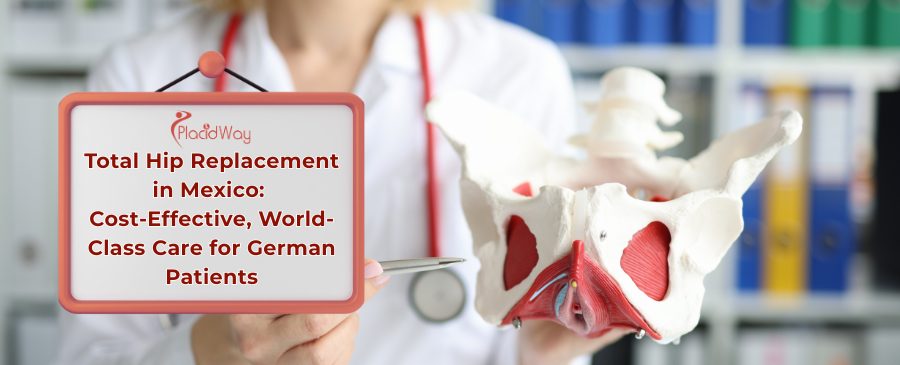
For German patients experiencing severe hip pain due to arthritis or injury, Mexico presents a compelling solution. It offers swift access to high-quality, cost-effective total hip replacement surgeries, with savings of up to 70% compared to private costs in Germany.
Navigating chronic hip pain can be a profoundly challenging experience, significantly impacting one’s quality of life, mobility, and overall well-being. For many German patients, the prospect of long waiting lists within the public healthcare system or the exorbitant costs associated with private treatment can add an immense layer of stress to an already difficult situation. This often leads individuals to seek viable alternatives that do not compromise on medical excellence or safety standards. Mexico has emerged as a leading destination for medical tourism, particularly for complex orthopedic procedures.
This article delves into how Total Hip Replacement in Mexico: Cost-Effective, World-Class Care for German Patients has become an increasingly attractive option. It highlights the significant financial advantages, the exceptional quality of care delivered by internationally trained surgeons in accredited facilities, and the streamlined patient experience designed to ensure comfort and peace of mind. By exploring these factors, German patients can make informed decisions about restoring their mobility and reclaiming an active, pain-free life.
What are the Primary Benefits of Choosing Mexico for Hip Surgery?
- Massive Cost Savings: German patients can save 50-70% on total hip replacement costs in Mexico compared to private rates in Germany, without compromising on quality.
- World-Class Standards: Many top Mexican hospitals are JCI-accredited, ensuring patient care and safety align with leading European and international benchmarks.
- No Waiting Lists: Unlike Germany’s public healthcare system, which may involve lengthy waits, surgery scheduling in Mexico is prompt, allowing quicker pain relief and return to activity.
- Experienced, Bilingual Surgeons: Many Mexican orthopedic surgeons are trained in the U.S. or Europe, are bilingual, and utilize advanced surgical techniques.
- High-Quality Implants: Hospitals in Mexico use FDA and CE-approved hip implants from renowned international manufacturers, identical to those used in Germany.
What is Total Hip Replacement Surgery and How Does it Work?
Total Hip Replacement (THR), or Hüft-TEP, is a sophisticated surgical procedure aimed at alleviating severe hip pain and restoring function. It involves removing damaged bone and cartilage from the hip joint and replacing them with artificial prosthetic components.
The hip operates as a ball-and-socket joint, where the smooth cartilage covering allows for fluid, pain-free movement. However, conditions such as osteoarthritis (Arthrose), rheumatoid arthritis, or traumatic injuries can severely degrade this cartilage, leading to bone-on-bone friction, excruciating pain, and debilitating stiffness. During THR, an orthopedic surgeon meticulously removes the damaged femoral head (the ‘ball’ part of the thigh bone) and replaces it with a metal stem topped with a ceramic or metal ball. Simultaneously, the damaged acetabulum (the ‘socket’ in the pelvis) is resurfaced using a metal shell lined with plastic or ceramic. These advanced, modern implants are engineered for durability and are designed to provide decades of improved mobility and a significantly reduced pain experience for patients.
What are the Outcomes and Potential Risks of Hip Replacement?
Evidence & Outcomes: Total hip replacement surgery boasts high success rates, with the primary goals being significant pain relief and improved mobility. Modern hip implants, especially high-quality ceramic-on-polyethylene or ceramic-on-ceramic options commonly used in Mexico, have a greater than 90% chance of lasting 20 years or more. Patients often experience a dramatic reduction in pain and a restored range of motion, allowing them to resume many daily activities that were previously impossible. Expert insight from orthopedic surgeons emphasizes a holistic approach, from meticulous pre-operative planning and precise minimally invasive techniques to aggressive but safe post-operative rehabilitation. This comprehensive care helps international patients often walk pain-free within days of the procedure, signifying excellent early outcomes.
Risks & Contraindications: While highly successful, total hip replacement is a major surgery with potential risks. These can include infection at the surgical site, blood clots (deep vein thrombosis or pulmonary embolism), nerve damage resulting in numbness or weakness, and complications related to anesthesia. Long-term risks may involve implant loosening, wear of prosthetic components, or dislocation of the artificial hip joint. Additionally, some patients might experience a slight leg length discrepancy or persistent pain, though these are less common with advanced techniques. Contraindications for surgery often include active infections, severe vascular disease, or certain neurological conditions that impair rehabilitation. It is crucial to have a thorough discussion with your orthopedic surgeon about all potential risks, individual health factors, and alternative treatments. Always seek professional consultation for personalized medical advice; individual results will vary, and no guarantees can be made.
Did you know that Mexico is home to some of the world’s most advanced medical facilities, where patients often save significant amounts on total hip replacement while receiving care that meets or exceeds international hospital standards?
How Do Hip Replacement Costs in Mexico Compare Globally?
The financial appeal of Mexico for total hip replacement is undeniable, primarily driven by its favorable economic structure, which allows for lower operational costs without sacrificing medical quality. For German patients, these savings are substantial, ranging from 50% to 70% compared to equivalent private treatments back home. Mexican medical tourism packages are often all-inclusive, covering surgeon fees, hospital stays, high-quality implants, pre-operative tests, and initial physical therapy, offering transparent pricing and significant value. This stark contrast makes Mexico an economically sensible choice for world-class orthopedic care.
Cost Breakdown
Major Savings
| Country | Estimated Cost (USD) | Average Savings vs. Germany Private |
|---|---|---|
| Mexico | $12,000 – $18,000 | ~50-70% Savings Best Value |
| Turkey | $10,000 – $16,000 | ~55-75% Savings |
| Germany (Private) | $21,600 – $32,400 | 0% (Base for comparison) |
| United States (Private) | $40,000 – $70,000 | ~70-80% Savings |
Essential Facts & Pro-Tips
What Does the Hip Replacement Journey in Mexico Entail?
Efficiency is a hallmark of the medical experience in this destination. The process minimizes downtime while ensuring every safety protocol is strictly followed.
Frequently Asked Questions
1. Is this treatment safe in Mexico?+
Yes, absolutely. When selecting a JCI-accredited hospital and a board-certified orthopedic surgeon in Mexico, you can expect safety, hygiene, and medical care standards equivalent to those in Germany. These facilities are specifically designed and experienced in treating international patients, ensuring a secure and high-quality medical experience. Proper vetting of clinics and doctors is always recommended to ensure optimal outcomes.
2. How long should I plan to stay in Mexico for the procedure?+
Most patients undergoing total hip replacement are advised to plan for an approximate two-week stay in Mexico. This duration typically includes a 2-4 day hospital stay immediately after surgery, followed by an additional period of 7-10 days for initial recovery and essential physical therapy sessions. This extended stay ensures that you are healing properly and are medically cleared for a safe return flight home.
3. What is the typical recovery time for a total hip replacement?+
Patients are typically able to walk with the aid of a walker or crutches within a day of surgery. Most individuals can resume light daily activities within 3-6 weeks. However, a full recovery and safe return to more strenuous activities can take anywhere from 6 months to a year, requiring consistent and dedicated physical therapy, which can be continued back in Germany.
4. Will there be a language barrier during my treatment?+
No, a language barrier is generally not an issue. The leading hospitals and clinics in Mexico that cater to international patients employ bilingual and often multilingual staff. This includes surgeons, nurses, and dedicated patient coordinators. All your consultations and crucial medical documentation can be provided in English or with a professional German translator to ensure clear communication and understanding throughout your medical journey.
5. How do I arrange for follow-up care upon returning to Germany?+
The medical team in Mexico will provide you with a comprehensive medical report before your return. This report includes all surgical details, a summary of your hospital stay, and a detailed rehabilitation plan. You can share this documentation with your local family doctor (Hausarzt) or a physical therapist in Germany to ensure a smooth and seamless continuation of your post-operative recovery and rehabilitation program.
6. What types of hip implants are commonly used in Mexico?+
Mexican hospitals utilize the same high-quality, internationally recognized implant brands that are prevalent in Germany and the USA. These include reputable manufacturers such as Zimmer Biomet, Stryker, Smith & Nephew, and DePuy Synthes. Patients receive detailed documentation outlining the exact make and model of their prosthetic implant, ensuring transparency and peace of mind regarding the quality of materials used.
7. Is travel insurance recommended for medical tourism to Mexico?+
Yes, absolutely. While medical tourism packages often cover significant costs, it is highly recommended that German patients secure comprehensive medical travel insurance. This insurance can cover unforeseen circumstances such as extended stays due to complications, emergency medical care not directly related to the hip replacement, or even travel interruptions. Always review policy details carefully to ensure it meets your specific needs for an international medical journey.
8. What makes a patient a suitable candidate for hip replacement surgery?+
You may be a good candidate for hip replacement if you suffer from chronic hip pain that severely limits daily activities, experience pain even at rest, have significant hip stiffness restricting leg movement, and have not found adequate relief from non-surgical treatments like medication or physical therapy. Your age, activity level, and bone quality will also be crucial factors in the final decision, made in consultation with your orthopedic surgeon.
Ready to Take the Next Step Towards Recovery?
Choosing the right destination for your medical care is significant. By opting for treatment abroad, you are not just saving on costs—you are gaining access to specialized clinicians and world-class care.