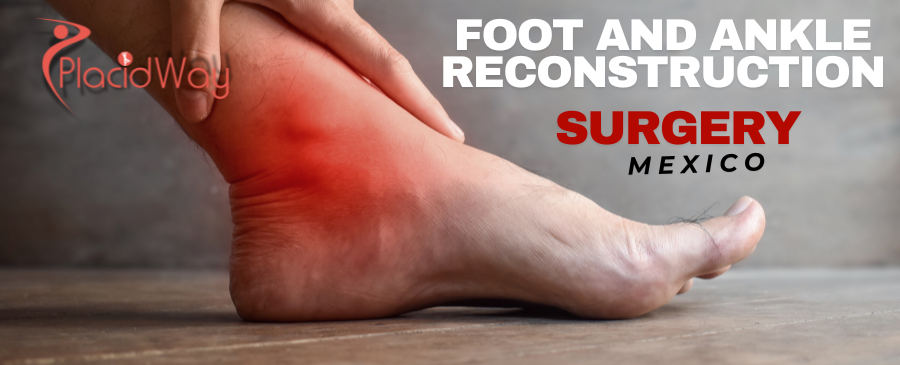
For Canadians experiencing debilitating foot and ankle conditions, Mexico offers a compelling alternative to long wait times and high costs at home. Patients can save up to 50% or more on procedures like bunionectomy and ankle fusion, while accessing internationally accredited facilities and highly skilled surgeons. The process is designed for quick scheduling and comprehensive post-operative care, ensuring a smoother journey to recovery.
Chronic foot and ankle pain, stemming from conditions like severe bunions or degenerative joint damage, can profoundly diminish one’s quality of life. These issues often impede daily activities, making walking, exercising, and even standing a source of constant discomfort. For many Canadians, the conventional path to relief involves reconstructive surgeries such as bunionectomies or ankle fusions.
However, the Canadian healthcare system is frequently burdened by extensive wait times for elective orthopedic procedures, coupled with potentially high costs for private care. These delays can prolong suffering and restrict mobility for months, or even years. This challenging landscape has prompted a growing number of patients to seek effective and timely solutions abroad. Mexico has emerged as a premier destination for those pursuing Foot and Ankle Reconstruction in Mexico: An Ideal Solution for Canadians Seeking Quick Relief, offering world-class medical services without the typical delays or financial strain. This article explores the numerous advantages that make Mexico a preferred choice for Canadian patients.
What are the key benefits for Canadians choosing Mexico for orthopedic care?
- Significant Cost Savings: Procedures in Mexico are considerably more affordable than in Canada, even accounting for travel expenses.
- Minimal Wait Times: Patients can schedule surgeries within weeks, drastically reducing the period of pain and restricted mobility.
- Access to Expert Surgeons: Many Mexican orthopedic surgeons are internationally trained and possess extensive experience in complex procedures.
- High-Quality Medical Facilities: Numerous Mexican hospitals hold international accreditations, ensuring adherence to global safety and quality standards.
- Conducive Recovery Environment: Patients can recuperate in serene settings, often complemented by comprehensive post-operative and rehabilitation services.
What exactly is foot and ankle reconstruction, and how does it address common problems?
Foot and ankle reconstruction refers to a range of surgical procedures designed to correct deformities, alleviate pain, and restore function to the foot and ankle. These interventions address conditions like severe arthritis, congenital deformities, trauma-related damage, and chronic pain that has not responded to conservative treatments.
Common procedures include bunionectomy, which surgically corrects bunions by realigning the joint and removing bony protrusions. This helps reduce pain and improve foot mechanics. Ankle fusion, or arthrodesis, is another significant reconstructive surgery. It involves fusing bones in the ankle joint to eliminate painful motion, typically performed for severe arthritis or instability. During this procedure, damaged cartilage is removed, and bones are fixed together with screws, plates, or rods, allowing them to grow into one solid bone over time. Both procedures aim to alleviate chronic pain and improve the patient’s ability to bear weight and move comfortably. These surgeries are complex and require specialized orthopedic expertise to achieve optimal outcomes for patients suffering from debilitating foot and ankle issues.
What evidence supports the quality of care, and what are the potential risks to consider?
Evidence & Outcomes:
Mexico’s reputation for high-quality healthcare is well-established, with many hospitals achieving international accreditation. These accreditations ensure adherence to stringent global standards for patient safety and medical quality. Many orthopedic surgeons practicing in Mexico receive training in the U.S. or Europe, bringing advanced skills and contemporary surgical techniques to their patients. This extensive international training contributes to their high level of expertise in performing complex foot and ankle reconstructions like bunionectomies and ankle fusions.
Patients can generally expect care comparable to that in their home countries, utilizing state-of-the-art medical technology and modern operating rooms. The facilities are often designed with international patients in mind, providing bilingual staff and support services. Mexico’s growing status as a medical tourism leader, particularly for orthopedic procedures, is a testament to the positive outcomes and high patient satisfaction rates reported by those seeking treatment there.
Risks & Contraindications: While the benefits are clear, it is crucial to acknowledge potential risks associated with any surgical procedure and international travel. General surgical risks include infection, excessive bleeding, blood clots, nerve damage, and adverse reactions to anesthesia. Specific to foot and ankle reconstruction, there may be risks of non-union (bones failing to fuse), implant failure, persistent pain, or limited range of motion. Individual results vary significantly depending on health status, adherence to post-operative instructions, and the complexity of the condition.
Warning signs that require immediate medical attention post-surgery include severe pain not managed by medication, fever, redness or swelling at the surgical site, discharge from the wound, or numbness/tingling in the foot. Certain contraindications, such as uncontrolled diabetes, severe circulatory issues, active infections, or a compromised immune system, may make individuals unsuitable candidates for these surgeries. Always consult with a qualified healthcare professional to thoroughly evaluate your medical history and determine if foot and ankle reconstruction is the right option for you.
Did you know that Mexico is home to some of the world’s most advanced medical facilities, where patients often save significant amounts on orthopedic surgeries like foot and ankle reconstruction while receiving care that meets or exceeds international hospital standards?
How do the costs of foot and ankle surgery in Mexico compare to those in Canada or other Western nations?
The financial appeal of medical tourism to Mexico is undeniable, especially when considering the significant disparity in healthcare costs. For Canadians, the out-of-pocket expenses for elective orthopedic procedures at home can be prohibitive. Mexico offers a dramatically more cost-effective solution without compromising the quality of care or the expertise of the surgeons. These savings become even more impactful when factoring in the reduced wait times and potential for quicker return to daily activities, which can mitigate indirect costs such as lost income or extended care needs.
Cost Breakdown for Foot & Ankle Reconstruction (Sample)
Major Savings
| Country | Estimated Cost (USD/CAD) | Relative Savings (%) |
|---|---|---|
| Mexico | $3,500 – $8,000 | Starting Point Best Value |
| United States | $15,000 – $30,000+ | Up to 70% Savings |
| United Kingdom | $12,000 – $25,000+ | Up to 60% Savings |
| Canada / Australia | CAD $8,000 – $25,000+ | Up to 50% Savings |
Essential Facts & Pro-Tips for Your Medical Journey
What does the typical treatment journey for foot and ankle reconstruction involve?
Embarking on a medical journey for foot and ankle reconstruction requires careful planning and a clear understanding of the treatment timeline. In Mexico, the process is streamlined to prioritize patient convenience and optimal outcomes. This structured approach helps minimize the time patients spend away from their normal lives, facilitating a quicker return to mobility and comfort while adhering to high medical standards.
Frequently Asked Questions About Foot and Ankle Reconstruction in Mexico
1. How safe is Foot & Ankle Reconstruction in Mexico?+
Mexico’s medical facilities are well-regarded, with many hospitals holding international accreditations that ensure high standards of quality and safety. It is paramount to choose a reputable hospital and an experienced surgeon for your specific procedure. Proper planning and seeking medical advice before travel significantly enhance safety. Always research your chosen provider thoroughly to ensure their credentials and patient outcomes align with your expectations for safe, effective care.
2. Can Canadians truly save on foot and ankle surgery in Mexico?+
Yes, Canadians can save substantially. For example, a bunionectomy in Mexico typically costs $3,500-$6,000 USD, while in Canada, it can range from $8,000-$15,000 CAD. Ankle fusion is $5,000-$8,000 USD in Mexico versus $15,000-$25,000 CAD in Canada. Even when factoring in travel and accommodation, patients often realize savings of 50% or more. These financial benefits make Mexico an attractive option for those seeking high-quality, affordable care.
3. What is the typical wait time for these surgeries in Mexico?+
One of the primary advantages of seeking surgery in Mexico is the significantly reduced wait times. While Canadians might wait several months for non-urgent orthopedic procedures in their home country, clinics and hospitals in Mexico can typically schedule surgeries within a few weeks of the initial consultation. This accelerated access to care allows patients to receive timely treatment and begin their recovery much sooner, minimizing prolonged pain and mobility limitations.
4. How does the quality of care in Mexico compare to Canada?+
Mexico’s healthcare system maintains high standards, with many hospitals internationally accredited to meet global quality and safety benchmarks. A significant number of Mexican surgeons are trained in the U.S. or Europe, bringing extensive experience to complex procedures. Patients can expect state-of-the-art medical technology, modern operating rooms, and bilingual staff accustomed to international patients, ensuring a level of care comparable to what they would find in Canada.
5. What are the post-operative care options available in Mexico?+
Many Mexican hospitals and clinics offer comprehensive post-operative care and rehabilitation services. These can include physical therapy, pain management, and wound care, all essential for a successful recovery. The tranquil settings of Mexico’s coastal regions and resorts provide an ideal environment for rest and recuperation after surgery. This integrated approach ensures patients have access to all necessary resources to heal thoroughly before returning home.
6. Are there any specific risks Canadians should consider when traveling for surgery?+
Beyond general surgical risks, travel-related considerations include potential complications from long flights (like deep vein thrombosis) or adjustments to different climates and altitudes. It is essential to discuss these factors with your surgeon and primary care physician. Thorough research into your chosen facility and surgeon’s credentials, along with robust travel insurance, can help mitigate most risks. Careful planning is key to a safe and successful medical trip.
7. How long is the recommended recovery stay in Mexico after the procedure?+
Most patients are advised to remain in Mexico for approximately 7 to 10 days following their foot or ankle surgery. This period allows for initial recovery, close monitoring of the surgical site, and essential follow-up appointments with the surgeon. Staying for this recommended duration helps to identify and address any immediate post-operative complications, ensuring a stable condition before undertaking travel back home and commencing longer-term recovery.
8. Can I continue my recovery and follow-up care in Canada after returning home?+
Yes, it is common and highly recommended for patients to arrange follow-up care with their local healthcare provider in Canada after returning home. You should proactively coordinate with both your Mexican surgeon and your Canadian physician to ensure a seamless transition of care. This collaborative approach allows for continuous monitoring of your healing progress and addressing any long-term rehabilitation needs effectively, ensuring the best possible recovery outcome.
Ready to Take the Next Step Towards Recovery?
Choosing the right destination for your medical care is significant. By opting for treatment abroad, you are not just saving on costs—you are gaining access to specialized clinicians and world-class care.