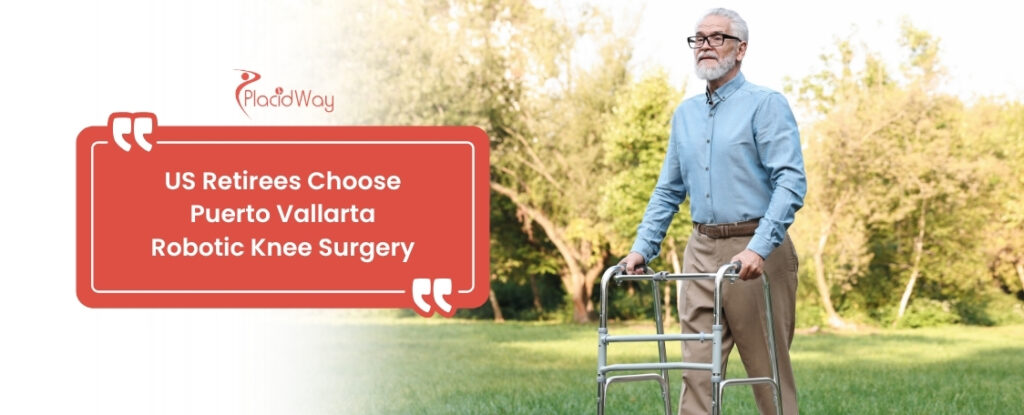
As reported by the Official News Source, this significant shift highlights a broader transformation in global healthcare logistics. Senior citizens, heavily impacted by degenerative joint diseases like osteoarthritis, are no longer willing to accept the status quo of domestic medical systems. Instead of enduring chronic pain while lingering on indefinite hospital waitlists, they are looking across the border to find immediate, high-tech orthopedic solutions. Puerto Vallarta has rapidly transformed from a traditional vacation getaway into a premier medical tourism destination, offering state-of-the-art robotic surgical interventions that rival or exceed those found in prominent American medical centers.
The Breaking Point: Escaping Long Waitlists and High Costs
The United States healthcare system is currently experiencing unprecedented strain, particularly in elective orthopedic procedures. Following recent global health disruptions and a rapidly aging Baby Boomer population, the demand for joint arthroplasty has skyrocketed. Unfortunately, supply has not kept pace. Patients requiring a total or partial knee replacement frequently report wait times extending from six to twelve months just to secure a surgical date. For an individual suffering from bone-on-bone osteoarthritis, every single day of waiting represents a profound loss of mobility, independence, and overall quality of life. The psychological and physical toll of this delay is driving older Americans to seek alternative avenues for relief.
Compounding the issue of extended wait times is the astronomical financial burden placed on patients. While Medicare and domestic insurance policies cover traditional knee replacement surgeries, out-of-pocket deductibles, copayments, and facility fees can still amount to thousands of dollars. More importantly, when patients request advanced, computer-assisted, or robotic arm-assisted surgical techniques, domestic insurers frequently classify these modernizations as non-essential or experimental, leaving the patient to cover the premium technology costs entirely. This financial reality creates a rigid barrier to optimal care, forcing retirees on fixed incomes to look toward international medical hubs where cutting-edge technology is both accessible and affordable.
The Rise of High-Tech Robotic Knee Replacement Surgery
The transition from traditional, manual orthopedic surgery to robotic-assisted knee replacement represents one of the most significant medical leaps of the past decade. Robotic knee arthroplasty utilizes highly advanced three-dimensional imaging and CT-scan based modeling to create a personalized surgical plan for each patient before the first incision is ever made. During the procedure, the orthopedic surgeon guides a robotic arm that provides haptic feedback and enforces strict anatomical boundaries. This ensures that the diseased bone is removed with sub-millimeter precision, preserving as much healthy bone and soft tissue as possible. The implant is then positioned with absolute, computer-guided accuracy, aligning perfectly with the patient’s unique biomechanics.
For American retirees, the benefits of this high-tech approach are too substantial to ignore. Precision alignment drastically reduces post-operative pain and minimizes the risk of implant failure, which often necessitates painful revision surgeries years later. Furthermore, because robotic surgery is generally less invasive and causes less soft tissue trauma, patients experience a significantly accelerated rehabilitation timeline. Many individuals who undergo robotic knee replacement in Mexico report walking with minimal assistance within hours of the procedure. This rapid return to mobility is highly attractive to a demographic that wishes to maximize their active retirement years without being sidelined by a protracted and painful recovery.
Did You Know?
Studies show that robotic-assisted knee replacements can improve implant survivorship and patient satisfaction rates significantly compared to traditional manual surgery. By utilizing 3D anatomical mapping, surgeons can achieve a flawless fit, which translates to a more natural-feeling knee and a faster return to daily activities like golfing, hiking, and traveling.
Puerto Vallarta Emerges as a Leading Orthopedic Destination
Geographically situated on the stunning Pacific coast of Mexico, Puerto Vallarta has long been celebrated for its beautiful beaches, vibrant culture, and warm hospitality. However, over the past decade, local government and private healthcare sectors have heavily invested in transforming the region into a global center of medical excellence. Top-tier medical complexes have been established, outfitted with the exact same robotic surgical platforms utilized by elite hospitals in New York, Los Angeles, and Houston. These modern facilities are designed specifically to cater to international patients, offering English-speaking medical staff, private recovery suites, and comprehensive concierge services that eliminate the stress of navigating a foreign medical system.
The accessibility of Puerto Vallarta further cements its status as an ideal medical sanctuary for North Americans. Major airlines offer direct, short-haul flights from numerous hubs across the United States and Canada. This proximity means that an elderly patient does not have to endure a grueling, multi-day journey to regions like Southeast Asia or Eastern Europe to receive affordable care. Additionally, the region’s warm, temperate climate is highly conducive to post-operative recovery. Healing in a serene, sun-drenched environment while enjoying soothing ocean breezes has been shown to reduce patient stress levels, which actively promotes faster physiological healing and better therapeutic outcomes.
Cost Comparison: United States vs. Puerto Vallarta
The financial disparity between domestic and international orthopedic care is the primary catalyst driving this cross-border migration. When retirees evaluate the total cost of a high-tech surgical intervention, the savings achieved by traveling to Mexico are profound, even after factoring in premium travel and luxury accommodations. To illustrate the vast economic benefits, consider the following breakdown of how a medical journey to Puerto Vallarta compares to standard U.S. pricing models:
- The United States Base Cost: A standard, non-robotic knee replacement in the US can range from forty thousand to over sixty thousand dollars uninsured. Adding robotic-assisted technology often incurs an additional five to ten thousand dollars in facility and equipment fees.
- The Puerto Vallarta Package: Comprehensive robotic knee replacement packages in Mexico generally range between fifteen thousand and twenty thousand dollars total. This represents a staggering fifty to seventy percent reduction in out-of-pocket expenses for self-pay patients.
- All-Inclusive Pricing Models: Unlike the fragmented U.S. billing system where patients receive separate invoices from the hospital, the surgeon, the anesthesiologist, and the radiologist, Mexican healthcare providers typically offer transparent, bundled pricing.
- Included Amenities: These international medical packages routinely cover the cost of the premium FDA-approved prosthesis, operating room fees, pre-operative cardiac and blood tests, post-operative medications, and multiple days of hospital hospitalization.
- Logistical Perks: Many top-tier orthopedic packages orchestrated by facilitators also include ground transportation, VIP airport transfers, and even a dedicated bilingual case manager to assist the patient 24/7.
The PlacidWay Perspective: Transforming Global Healthcare Logistics
As the premier medical tourism platform connecting global patients with accredited international healthcare providers, PlacidWay has been at the forefront of this orthopedic migration. The organization specializes in curating safe, seamless, and highly vetted medical journeys for individuals who demand both affordability and uncompromised clinical excellence. By rigorously evaluating the technological capabilities and safety records of international facilities, PlacidWay empowers American retirees to make informed, confident decisions regarding their health and longevity. The surge of interest in Puerto Vallarta’s robotic joint replacement programs highlights a critical evolution in how consumers view global medicine.
“The migration of American retirees to Puerto Vallarta for robotic knee replacements is not just a trend; it is a profound indicator of a fractured domestic healthcare system. Retirees are realizing they no longer have to endure chronic pain while lingering on waitlists, nor do they need to bankrupt themselves for premium technology. Puerto Vallarta has seamlessly merged world-class robotic orthopedic innovation with rapid accessibility, fundamentally changing the landscape of medical travel.”
— Pramod Goel, CEO of PlacidWay
This authoritative perspective underscores that medical tourism is no longer solely about finding the cheapest possible care; it is about accessing superior, life-altering technology on demand. Patients are leveraging platforms like PlacidWay to bypass bureaucratic bottlenecks. They are taking active control of their medical outcomes, ensuring that their retirement years are spent enjoying life rather than navigating endless insurance approvals and prolonged rehabilitation schedules caused by outdated surgical methods.
The Comprehensive Patient Experience: From Arrival to Recovery
Undertaking major surgery abroad can naturally induce anxiety, which is why the patient experience in Puerto Vallarta is engineered to be as comforting and frictionless as possible. The journey begins long before the patient boards a flight. Through digital consultations facilitated by medical tourism providers, patients securely upload their X-rays, MRI scans, and medical history for review by board-certified orthopedic surgeons in Mexico. A personalized treatment plan is developed, and all logistical details, including surgical dates, hotel accommodations, and local transport, are locked in. Upon arriving at the local international airport, patients are typically greeted by a dedicated medical concierge who escorts them to their premium accommodation or directly to the medical facility for pre-operative testing.
The recovery phase is where the Puerto Vallarta experience truly distinguishes itself from the domestic standard of care. Instead of being hastily discharged to a sterile, domestic rehabilitation facility or sent home to manage their own care, international patients benefit from extended, heavily monitored recovery periods. Physical therapy often begins within twenty-four hours of surgery, guided by specialized rehabilitative teams. Once discharged from the hospital, patients recuperate in luxurious, accessible hotel suites that overlook the ocean. Visiting nurses and physical therapists conduct daily in-room sessions, ensuring that the patient meets all mobility milestones before receiving final medical clearance to board their brief flight back to the United States.
Did You Know?
Many modern medical facilities in Mexico hold international accreditations equivalent to those in the US, ensuring stringent safety and hygiene protocols. Furthermore, a large percentage of orthopedic surgeons practicing high-tech robotic procedures in Puerto Vallarta have completed specialized fellowships and advanced medical training in the United States, Canada, or Western Europe, bridging the gap in international medical standards.
Prioritizing Safety, Accreditation, and Quality Care
The most common concern among retirees considering medical travel is the safety and quality of the healthcare provided. However, the private healthcare sector in Mexico operates under exceptionally rigorous standards designed specifically to attract and protect international patients. Leading orthopedic centers actively pursue and maintain prestigious international accreditations, demonstrating strict adherence to global protocols regarding infection control, patient safety, and clinical governance. Facilities are equipped with ultra-modern, HEPA-filtered operating theaters and utilize the exact same FDA-approved prosthetic implants—crafted from advanced titanium and specialized polymers—as those used by top-tier American surgeons.
Furthermore, the caliber of medical professionals operating in this region is extraordinary. The specialists utilizing robotic-assisted technology are highly credentialed, board-certified orthopedic surgeons. Due to the competitive nature of international medical tourism, these professionals engage in continuous education, frequently attending global orthopedic symposiums to remain at the cutting edge of joint arthroplasty techniques. The combination of elite surgeon pedigree, advanced robotic precision, and stringent facility accreditation results in complication rates that are routinely equal to, or lower than, the averages reported by domestic hospital networks.
How to Plan Your Orthopedic Journey to Mexico
For American retirees ready to reclaim their mobility and bypass domestic waitlists, planning a medical journey to Mexico is a straightforward process when utilizing established medical tourism networks. Taking the right preparatory steps ensures a safe, successful, and stress-free experience. Here is a comprehensive guide to initiating the process:
- Initial Telemedicine Consultation: Partner with a trusted medical facilitator to schedule a virtual consultation with a board-certified orthopedic specialist. Prepare your most recent digital X-rays and comprehensive medical history for an accurate preliminary assessment.
- Obtain a Transparent Quotation: Request a comprehensive, all-inclusive pricing package. Ensure the quote explicitly details the cost of the robotic technology fee, the specific brand of the implant, hospital stay duration, and included medications.
- Organize Travel Documents: Verify that your United States passport is valid for at least six months beyond your intended travel dates. Mexican medical visas are rarely required for short-term procedures, but standard tourist entry requirements must be met.
- Coordinate a Travel Companion: While dedicated medical concierges provide extensive support, traveling with a spouse, family member, or close friend is highly recommended to provide emotional support and assist with personal needs during the immediate post-operative phase.
- Plan for Aftercare: Discuss physical therapy protocols with both your international surgeon and a local physical therapist back home. Secure a physical therapy schedule in the US before you travel so your rehabilitation continues seamlessly upon your return.
- Book with Confidence: Utilize platforms like PlacidWay to lock in your surgical dates, coordinate your VIP airport transfers, and secure ground accommodations that are ADA-compliant and optimized for orthopedic recovery.
Ready to Reclaim Your Mobility?
Don’t let long waitlists and exorbitant domestic costs keep you in pain. Discover world-class, affordable robotic knee replacement options in Puerto Vallarta, Mexico.