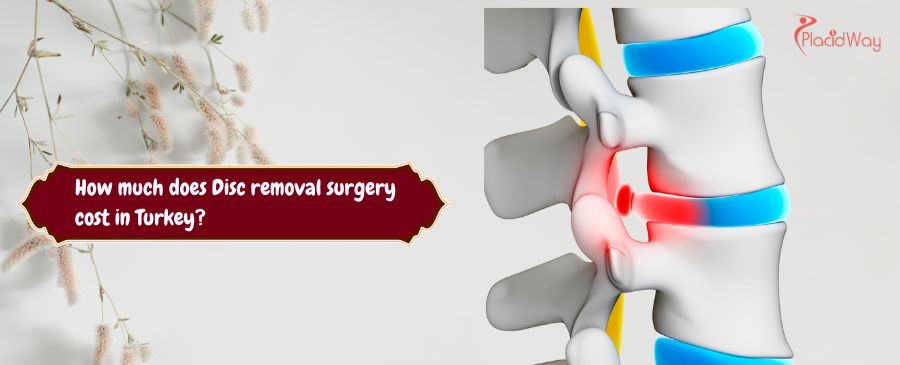
Disc removal surgery in Turkey typically ranges between $4,550 and $6,500, offering a world-class medical solution at a fraction of Western prices. This makes Turkey an attractive destination for high-quality spinal care, with 80% to 95% of patients reporting significant pain relief and symptom improvement. These competitive costs often include comprehensive packages covering surgical fees, hospital stay, and essential post-operative care, ensuring a smooth patient journey.
Living with the persistent and often debilitating pain of a herniated disc can severely impact daily life, limiting mobility and diminishing overall quality of life. Many individuals seek effective solutions to alleviate this discomfort and restore their physical well-being.
Fortunately, advancements in medical technology and global healthcare access mean that relief is increasingly within reach. For those considering surgical intervention, Turkey has emerged as a prominent hub, combining advanced medical care with considerable cost efficiencies.
This comprehensive guide aims to illuminate the financial aspects and practical considerations of disc removal surgery cost in Turkey. We will explore the factors influencing pricing, the types of procedures available, and what international patients can anticipate during their medical journey. PlacidWay, as a medical tourism facilitator, connects patients with trusted healthcare providers worldwide, helping navigate these decisions.
Why Choose Disc Removal Surgery in Turkey? Key Takeaways
- Significant Cost Savings: Patients can achieve 50-70% savings compared to Western countries without compromising on quality.
- High Success Rates: Turkish neurosurgeons boast success rates of 80-95% for pain relief and symptom improvement.
- Comprehensive Care Packages: All-inclusive packages often cover surgical fees, hospital stay, pre-op tests, medications, and even travel logistics.
- Access to Advanced Techniques: A wide range of procedures, from minimally invasive microdiscectomy to artificial disc replacement, are available.
- Internationally Accredited Facilities: Many hospitals hold certifications like JCI, ensuring adherence to global patient safety and quality standards.
Understanding Disc Removal Surgery: What Does it Involve?
Disc removal surgery, also known as discectomy, is a surgical procedure performed to remove the damaged portion of a herniated disc that is pressing on spinal nerves, causing pain, numbness, or weakness.
This intervention aims to relieve pressure on the nerve roots and spinal cord, thereby alleviating symptoms and improving patient mobility. The approach varies depending on the specific location and severity of the herniation, as well as patient health factors.
Turkish hospitals offer a broad spectrum of disc removal surgeries, catering to various patient needs. These range from minimally invasive techniques, such as microdiscectomy and endoscopic discectomy, to more extensive open procedures like laminectomy and spinal fusion. Microdiscectomy involves a small incision to remove only the problematic disc fragment, leading to faster recovery. Conversely, a laminectomy entails removing a portion of the vertebral bone to create more space, which is often considered for spinal stenosis. In cases of significant spinal instability, spinal fusion may be performed to permanently join two or more vertebrae after disc removal, as detailed by the American Association of Neurological Surgeons (AANS).
Evaluating the Evidence and Potential Considerations
Evidence & Outcomes: The success rate for disc removal surgery in Turkey is notably high, with studies indicating that 80% to 95% of patients experience significant pain relief and improved symptoms. This high success rate is a testament to the country’s advanced healthcare infrastructure and the expertise of its highly skilled medical professionals, which is consistent with international benchmarks reported in peer-reviewed neurosurgery journals. Most patients can return to light activities within a couple of weeks.
Risks & Contraindications: As with any surgical procedure, disc removal surgery carries some inherent risks, although they are generally low. These potential complications include infection at the surgical site, bleeding, nerve damage, or a recurrence of the herniated disc. It is crucial to have a thorough discussion with your surgeon about these risks, and seek immediate care if you experience sudden severe pain, weakness, or loss of bowel/bladder control post-surgery. Individual results vary significantly based on patient health and adherence to post-operative instructions.
Did you know that Turkey is home to some of the world’s most advanced medical facilities, where patients often save significant amounts on disc removal surgery while receiving care that meets or exceeds international hospital standards?
How Does Disc Removal Surgery Cost in Turkey Compare Globally?
The cost-effectiveness of disc removal surgery in Turkey is a primary driver for medical tourists. Turkey consistently offers prices significantly lower than those found in the United States, the United Kingdom, and many Western European countries. Patients can typically expect savings of as much as 50-70% on their treatment, making high-quality spinal care accessible. This cost advantage allows patients to allocate resources more effectively, covering travel and accommodation without compromising on medical excellence. The lower operational costs and a favorable exchange rate contribute to these competitive prices, as noted by leading medical tourism associations like the Medical Tourism Association.
Cost Breakdown
Major Savings
| Country | Estimated Cost | Average Savings |
|---|---|---|
| Turkey | $4,550 | Starting Point Best Value |
| United States | $15,000 | 70% Savings |
| United Kingdom | $12,000 | 62% Savings |
| Canada / Australia | $13,500 | 66% Savings |
Essential Facts & Pro-Tips
Your Disc Removal Surgery Treatment Journey in Turkey
Efficiency is a hallmark of the medical experience in this destination. The process minimizes downtime while ensuring every safety protocol is strictly followed.
Frequently Asked Questions About Disc Removal Surgery in Turkey
1. Is it safe to travel to Turkey for disc removal surgery?+
Yes, it is generally very safe to travel to Turkey for disc removal surgery. The country has a well-developed medical tourism infrastructure, featuring modern hospitals, highly qualified doctors, and a strong focus on patient safety and care. Millions of international patients visit Turkey annually for various medical treatments, often reporting positive experiences with the quality of care and facilities.
2. What factors influence the cost of disc removal surgery in Turkey?+
Several factors impact the final cost, including the specific type of surgical procedure (e.g., microdiscectomy vs. spinal fusion), the reputation and accreditation of the hospital, and the surgeon’s experience. The city where the surgery takes place and the inclusions within the surgical package (such as accommodation or transfers) also play a significant role in the overall price.
3. What is typically included in a disc removal surgery package?+
Most packages for international patients cover the surgeon’s and anesthesiologist’s fees, hospital stay, pre-operative tests (MRI, X-rays, blood tests), and post-operative medications. Many also include convenient amenities like airport transfers, assistance with hotel bookings, and translator services to ensure a seamless medical travel experience.
4. What types of disc removal surgery are available in Turkey?+
Turkish hospitals offer a comprehensive array of disc removal surgeries. These include minimally invasive options like microdiscectomy and endoscopic discectomy, which involve smaller incisions and quicker recovery times. More traditional open procedures, such as laminectomy and spinal fusion, are also performed, alongside advanced treatments like artificial disc replacement to preserve spinal motion.
5. What is the success rate for disc removal surgery in Turkey?+
The success rate for disc removal surgery in Turkey is remarkably high, with studies indicating that 80% to 95% of patients experience significant pain relief and notable improvement in their symptoms. This reflects the high standard of medical expertise and the advanced technology utilized in Turkish healthcare facilities, comparable to leading global centers.
6. How long is the recovery period after disc removal surgery?+
The recovery period varies depending on the specific type of surgery performed and the individual’s overall health and adherence to post-operative instructions. For a microdiscectomy, most patients can often return to light activities within one to two weeks. More extensive surgeries, such as spinal fusion, will generally require a longer and more structured rehabilitation period, potentially up to six weeks or more.
7. What are the potential risks associated with disc removal surgery?+
While generally considered safe, disc removal surgery, like all surgical procedures, carries some risks. These can include minor complications such as infection or bleeding at the surgical site. More serious, though rare, risks involve nerve damage or, in some cases, the recurrence of the herniated disc. Your surgeon will provide a comprehensive overview of these risks during your consultation.
8. What should I expect during my initial consultation in Turkey?+
During your initial consultation for disc removal surgery in Turkey, you can expect a thorough medical evaluation. This will include a detailed review of your medical history, current medications, and any previous imaging scans such as MRIs or X-rays. The surgeon will discuss your specific condition, outline available treatment options, and provide a transparent breakdown of the estimated costs for your personalized surgical plan. This is a vital opportunity to ask any questions and ensure you feel confident and comfortable with your chosen medical team.
Ready to Take the Next Step Towards Recovery?
Choosing the right destination for your medical care is significant. By opting for treatment abroad, you are not just saving on costs—you are gaining access to specialized clinicians and world-class care.