The ideal candidate for an anterior hip replacement is typically a non-obese, younger, and generally active individual suffering from significant hip arthritis, with no history of previous hip surgery. This muscle-sparing approach offers faster recovery and reduced dislocation risk. Surgeons often recommend a Body Mass Index (BMI) below 35-40 to minimize surgical challenges and wound complications. Patients often experience a significantly accelerated initial recovery, with many discharged within 1-2 days of the procedure.
Living with chronic hip pain can be debilitating, making even simple movements a daily challenge. When non-surgical treatments no longer provide relief, a hip replacement might become your next step towards a pain-free life.
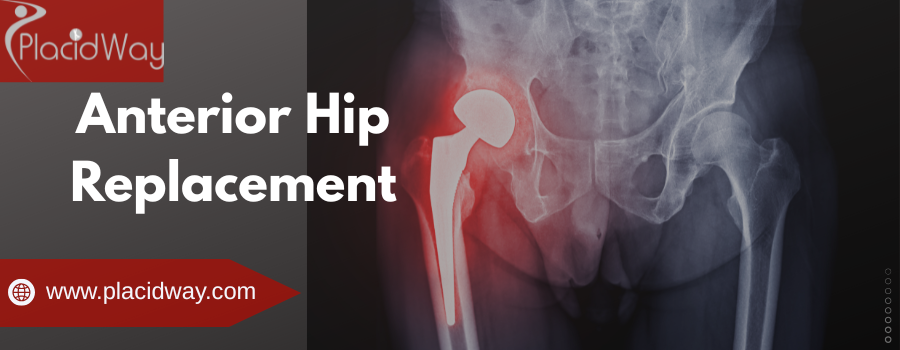
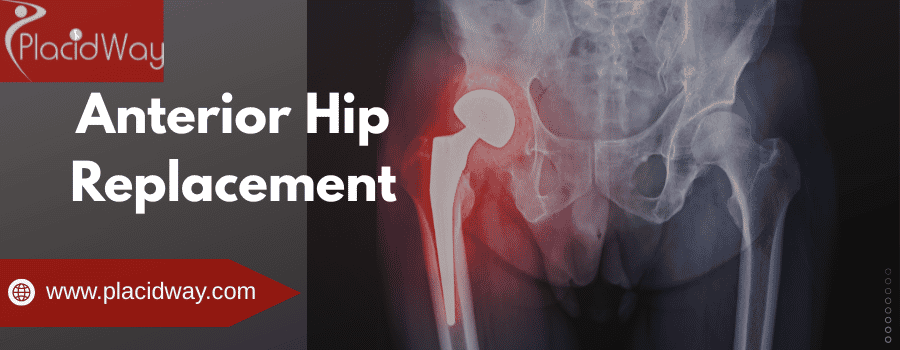
The anterior hip replacement, also known as the direct anterior approach, is a modern surgical technique gaining popularity. It is known for its potential for a faster recovery due to its muscle-sparing nature. This procedure allows surgeons to access the hip joint from the front of the body, working between muscles rather than cutting through them, which can lead to less post-operative discomfort.
Determining if you are a good candidate for Anterior Hip Replacement involves a careful evaluation of your health, anatomy, and lifestyle. PlacidWay, as a medical tourism facilitator, connects patients with world-class orthopedic specialists globally, helping you navigate your options. Our aim is to provide clear, expert information so you can have a confident conversation with your surgeon about achieving a new, pain-free hip. According to a National Institutes of Health (NIH) report from 2023, hip replacement surgeries remain highly effective for alleviating severe arthritis pain.
Unlock Faster Healing: Key Advantages of Anterior Hip Replacement
- Faster Early Recovery: Patients often walk and bear weight sooner, sometimes within a day, leading to shorter hospital stays.
- Reduced Postoperative Pain: Less muscle trauma means decreased pain and a lower need for medication during initial healing.
- Lower Dislocation Risk: Preserving vital hip muscles enhances joint stability, significantly reducing the likelihood of dislocation.
- Fewer Movement Restrictions: Patients typically face minimal to no restrictions on bending or crossing legs after surgery, promoting quicker return to normal activities.
- Optimized for Active Lifestyles: This approach is particularly beneficial for active individuals seeking a swifter return to their routines.
Understanding the Direct Anterior Hip Replacement Procedure
An anterior hip replacement is a minimally invasive surgical approach where the surgeon makes an incision on the front of the hip. This allows them to replace the joint by working between the major muscles, rather than cutting or detaching them.
Often referred to as a “muscle-sparing” approach, this technique focuses on preserving the critical muscles surrounding the hip, including the gluteus muscles. By accessing the joint through natural muscular intervals, surgeons can potentially reduce tissue damage and enhance immediate post-operative stability.
This method contributes to less pain and a more stable hip right after surgery, allowing for a quicker initial recovery. Patients frequently experience shorter hospital stays and an earlier return to daily activities compared to traditional posterior or lateral approaches, as detailed by the American Academy of Orthopaedic Surgeons (AAOS) in a recent update.
Weighing the Benefits: Evidence and Potential Risks of Anterior Hip Replacement
Evidence & Outcomes: The anterior approach is most commonly effective for patients diagnosed with severe osteoarthritis, a prevalent ‘wear-and-tear’ form of arthritis that has damaged cartilage and causes bone-on-bone friction. It also proves beneficial for conditions such as rheumatoid arthritis, avascular necrosis, and certain types of hip fractures. Recent clinical data, including studies highlighted by the Journal of Orthopaedic Surgery and Research in 2022, indicate comparable long-term outcomes to traditional methods, with distinct short-term advantages like reduced pain.
Risks & Contraindications: Despite its benefits, specific risks unique to the anterior approach include a higher chance of temporary numbness on the side of the thigh due to lateral femoral cutaneous nerve irritation. There is also a risk of femoral fracture during surgery, particularly with less experienced surgeons. Patients with a BMI over 40, very muscular thighs, or significant anatomical deformities may face increased complications or require an alternative approach. Always consult a qualified orthopedic surgeon to discuss your individual health profile, as outcomes are not guaranteed and vary by patient.
Did You Know?
Fast Fact: Did you know that major medical tourism destinations often operate internationally accredited facilities, ensuring care quality meets rigorous standards set by organizations like Joint Commission International (JCI)?
Travel Tip: Many international medical centers provide comprehensive patient coordination, including airport transfers, accommodation assistance, and interpreter services, making your medical travel seamless.
Recovery Tip: Engage actively in your prescribed physical therapy. While the anterior approach boasts quicker initial recovery, consistent rehabilitation is vital for long-term strength and mobility, as reinforced by orthopedic guidelines from Physiopedia.
Anterior Hip Replacement: A Comprehensive Cost Comparison
The cost of an anterior hip replacement is multifaceted and varies significantly based on geographic location and insurance coverage. While the U.S. typically sees costs ranging from $20,000 to over $50,000, choosing a reputable international medical tourism destination can offer substantial savings without compromising care quality.
These savings often stem from lower overheads and different healthcare economic structures abroad, reducing facility and surgeon fees. Patients can often achieve a high-quality procedure for a fraction of the cost found in Western countries, with comprehensive packages covering surgery, anesthesia, and initial recovery.
Cost Breakdown
Major Savings
| Country |
Estimated Cost (USD) |
Average Savings vs. US |
| Turkey |
$12,000 |
Starting Point Best Value |
| United States |
$35,000 |
0% Base |
| United Kingdom |
$30,000 |
14% Savings |
| Canada / Australia |
$28,000 |
20% Savings |
Essential Facts & Pro-Tips
1
Fast Fact: Did you know that major medical tourism destinations often operate internationally accredited facilities, ensuring care quality meets rigorous standards set by organizations like
Joint Commission International (JCI)?
2
Travel Tip: Many international medical centers provide comprehensive patient coordination, including airport transfers, accommodation assistance, and interpreter services, making your medical travel seamless.
3
Recovery Tip: Engage actively in your prescribed physical therapy. While the anterior approach boasts quicker initial recovery, consistent rehabilitation is vital for long-term strength and mobility, as reinforced by orthopedic guidelines from
Physiopedia.
Your Step-by-Step Anterior Hip Replacement Journey
Efficiency is a hallmark of the medical experience in this destination. The process minimizes downtime while ensuring every safety protocol is strictly followed.
Day 01
Consultation
Final lab work and detailed medical history review with your lead specialist, setting the stage for a personalized treatment plan.
Day 02 — 03
Procedure
The primary medical intervention followed by immediate recovery and monitoring. Your care team will ensure comfort and track progress closely.
Day 04 — 05
Observation
Follow-up check-ups to ensure healing is progressing according to the personalized plan. Education on post-operative care and rehabilitation exercises will be provided.
Frequently Asked Questions
1. What is an anterior hip replacement?+
An anterior hip replacement is a minimally invasive surgical technique where the hip joint is accessed through an incision on the front of the thigh. The key advantage lies in the surgeon’s ability to work between the major muscles, such as the gluteals, rather than cutting or detaching them.
This ‘muscle-sparing’ approach is designed to minimize tissue trauma, which can contribute to less post-operative pain and enhance immediate hip stability. It often facilitates a quicker initial recovery period for patients, allowing for earlier mobilization.
2. Who is generally considered a good candidate for this procedure?+
An ideal candidate is typically a non-obese, younger, and generally active individual experiencing significant hip arthritis. This includes conditions like osteoarthritis, rheumatoid arthritis, or avascular necrosis, which cause severe pain and mobility limitations.
Key criteria also include good bone quality and a strong commitment to post-operative rehabilitation. Surgeons usually prefer patients with a Body Mass Index (BMI) below 35-40 to avoid surgical complications. A history of previous complex hip surgery might make this approach less suitable.
3. What is the typical cost of an anterior hip replacement?+
The total cost of an anterior hip replacement in the U.S. typically ranges from $20,000 to over $50,000, encompassing surgeon’s fees, hospital charges, anesthesia, and implant costs. This out-of-pocket expense is significantly influenced by insurance coverage and geographical location within the U.S.
Internationally, costs can be considerably lower, with many reputable facilities in medical tourism destinations offering high-quality procedures for a fraction of this price. It’s crucial to obtain a detailed estimate and verify your insurance benefits before making a decision.
4. What are the primary advantages of opting for the anterior approach?+
The anterior approach offers several key advantages, primarily due to its muscle-sparing nature. Patients often experience a faster early recovery, allowing them to walk and bear weight sooner, sometimes within a day. This leads to reduced post-operative pain and potentially a shorter hospital stay.
Furthermore, preserving the critical muscles around the hip results in a lower risk of hip dislocation, enhancing joint stability. Patients typically face fewer, if any, restrictions on movement immediately after surgery, such as bending or crossing legs, promoting quicker return to daily activities and greater confidence.
5. Does my weight impact my eligibility for an anterior hip replacement?+
Yes, your weight is a significant factor in determining candidacy for an anterior hip replacement. Most surgeons recommend a Body Mass Index (BMI) below 35-40. Excess abdominal tissue and thigh musculature can create technical challenges during surgery, potentially prolonging the procedure and increasing risks.
These risks include difficulties in accessing the hip joint, along with a higher likelihood of wound healing complications and infection. If your BMI is elevated, your surgeon may recommend a supervised weight loss program to optimize your chances for a successful anterior approach and better overall outcomes.
6. Are there specific reasons why someone should not have an anterior hip replacement?+
Yes, certain factors make the anterior approach less suitable. Contraindications include significant obesity, typically a BMI over 40, as it increases the risk of wound complications and surgical difficulty. Patients with very muscular thighs may also pose challenges for surgical exposure.
Furthermore, individuals with specific anatomical deformities of the hip or femur, or those with a history of complex previous hip surgeries or existing hardware, might benefit more from a different surgical approach like the posterior method, which offers better visualization and access for such complex cases.
7. What are the specific risks unique to the anterior hip replacement approach?+
While the anterior approach offers a lower dislocation risk, it carries unique considerations. The most common specific risk is irritation or injury to the lateral femoral cutaneous nerve, a sensory nerve, which can lead to temporary or, in rare cases, permanent numbness on the outer thigh.
Additionally, the procedure is considered technically demanding. This means there’s a slightly higher risk of complications such as a femoral fracture during surgery, particularly when performed by less experienced surgeons. Choosing a surgeon highly proficient in a high volume of anterior hip replacements can mitigate this risk significantly.
8. How does the recovery process compare to traditional methods?+
The initial recovery for an anterior hip replacement is often accelerated compared to traditional posterior or lateral approaches. Patients may use crutches or a cane for a shorter duration and frequently report feeling more confident in their movements sooner after surgery.
This quicker progression is largely attributed to the muscle-sparing nature of the anterior approach, which minimizes muscle trauma. While long-term outcomes at one year tend to be similar across approaches, the early phase of recovery, typically the first six weeks, is where the anterior method truly shines in terms of patient comfort and mobility.
9. What kind of hip problems are best suited for this approach?+
The anterior approach is primarily used for patients suffering from severe osteoarthritis, which is a common ‘wear-and-tear’ form of arthritis that damages joint cartilage. It is also an effective option for individuals with rheumatoid arthritis, a debilitating inflammatory condition, or avascular necrosis, where bone tissue dies due to lack of blood supply.
In some instances, certain hip fractures can also be effectively addressed using this muscle-sparing technique. However, it’s generally not recommended for very complex cases like revision surgeries or significant congenital hip deformities, where a more open approach might be necessary for optimal visualization and implant placement.
10. Are there age limits for undergoing an anterior hip replacement?+
While there are no strict chronological age limits for an anterior hip replacement, the decision is typically based more on a patient’s physiological health and overall fitness for surgery. The procedure is often favored for younger, more active individuals who can fully capitalize on its quicker recovery period.
However, an active and healthy 75-year-old with good bone density could be an excellent candidate, whereas a sedentary 50-year-old with multiple comorbidities might not. The focus remains on your general health, bone quality, and your willingness to engage in the post-operative physical therapy essential for a successful outcome.
Ready to Take the Next Step Towards Recovery?
Choosing the right destination for your medical care is significant. By opting for treatment abroad, you are not just saving on costs—you are gaining access to specialized clinicians and world-class care.
Get Your Free Quote Now
Medical Disclaimer: This article is intended for informational and educational purposes only and does not constitute medical advice, diagnosis, or treatment recommendations. PlacidWay is a medical tourism facilitator, connecting patients with healthcare providers, and is not a direct healthcare provider. Always consult a qualified physician or healthcare professional for personalized medical advice tailored to your specific condition and health needs before making any healthcare decisions. Individual outcomes and experiences can vary significantly, and there is no guarantee of specific results. If you experience severe or worsening symptoms, please seek immediate professional medical attention. Medically reviewed by PlacidWay Medical Review Team on 2024-07-26.