
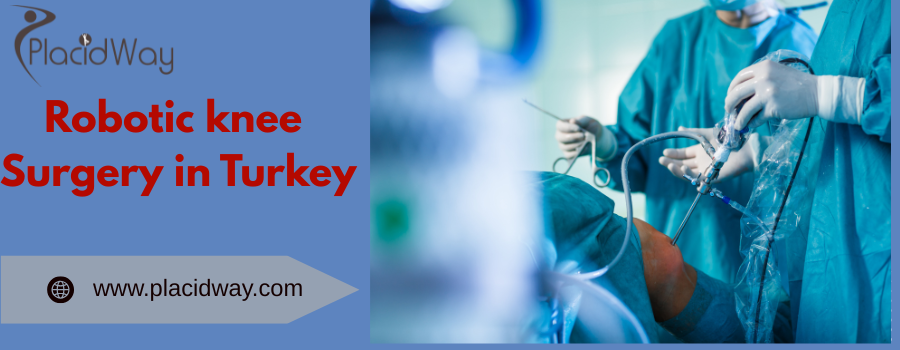
An ideal candidate for robotic knee surgery in Turkey is typically someone with severe knee pain and disability, most often due to osteoarthritis, who has not found relief from non-surgical treatments. If you qualify for a traditional knee replacement, you are very likely a suitable candidate for the robotic-assisted approach, which offers superior precision. This advanced procedure can save patients over 75% on costs compared to the U.S. or UK.
Living with chronic knee pain can be a daily struggle, severely limiting your activities and diminishing your overall quality of life. When conservative treatments such as medication, injections, and physical therapy fail to provide lasting relief, knee replacement surgery often presents a powerful and effective solution.
The field of knee replacement has seen remarkable advancements, with robotic knee surgery emerging as a cutting-edge option. This innovative procedure, particularly accessible in destinations like Turkey, combines the unparalleled expertise of surgeons with state-of-the-art robotic precision, attracting patients globally.
This advanced approach promises not only enhanced accuracy and improved outcomes but also a potentially faster and less painful recovery period, according to leading orthopedic associations. If you are considering this modern treatment, understanding who is a candidate for Robotic Knee Surgery in Turkey is your crucial first step. PlacidWay, as a medical tourism facilitator, connects patients with these world-class services, though we are not a medical provider ourselves.
This comprehensive guide will delve into the specific criteria and considerations to help you determine if this innovative treatment is the right choice for your journey toward a pain-free life.
Key Advantages of Robotic Knee Surgery in Turkey
- Enhanced Precision: Robotic systems achieve millimeter-accurate implant placement for optimal joint alignment.
- Less Tissue Trauma: Minimally invasive techniques lead to less damage to surrounding muscles and ligaments.
- Reduced Post-Operative Pain: Patients often experience less pain immediately after surgery compared to traditional methods.
- Faster Recovery: Accelerated rehabilitation and quicker return to daily activities are common.
- Improved Long-Term Outcomes: Better implant durability and a more natural-feeling joint are frequently reported.
Understanding Robotic Knee Replacement
Robotic knee surgery is an advanced total or partial knee replacement procedure that utilizes a robotic arm or handheld robotic device to assist the surgeon in performing the operation with enhanced accuracy and control.
The process typically begins with a specialized 3D CT scan of the patient’s knee, which generates a precise virtual model of the joint. This detailed model allows the surgeon to meticulously plan the entire procedure with millimeter accuracy even before making any incisions, customizing the plan to the patient’s unique anatomy.
During the surgery, the robotic system provides real-time visual, auditory, and tactile guidance, allowing the surgeon to execute the pre-planned procedure with exceptional precision. Systems like Mako and NAVIO assist in bone preparation and implant placement, ensuring optimal joint alignment and stability, as highlighted by orthopaedic technology experts.
Evidence-Based Outcomes and Important Considerations
Evidence & Outcomes: Robotic knee surgery consistently demonstrates superior implant alignment and reduced variability in surgical outcomes compared to traditional methods. Patients frequently report less post-operative pain and a quicker return to mobility, contributing to high satisfaction rates and improved long-term implant durability, as shown in studies on advanced orthopedic techniques. This precision helps achieve a more natural-feeling joint and minimizes complications.
Risks & Contraindications: While highly effective, robotic knee surgery is still a major surgical procedure that carries inherent risks such as infection, blood clots, nerve damage, or implant complications. Patients with uncontrolled chronic conditions like severe heart disease, active infections, or significant bleeding disorders may not be ideal candidates. It is crucial to seek immediate medical care if you experience severe pain, swelling, fever, or signs of infection after surgery. Always consult a qualified orthopedic surgeon for a thorough evaluation and personalized risk assessment, as individual results and potential complications can vary significantly.
Did you know that Turkey is home to some of the world’s most advanced medical facilities, where patients often save significant amounts on Robotic Knee Surgery while receiving care that meets or exceeds international hospital standards?
Comparing Costs for Robotic Knee Surgery in Turkey
The cost-effectiveness of medical care in Turkey is a significant advantage for international patients seeking advanced orthopedic procedures like robotic knee surgery. This destination provides access to cutting-edge technology and highly experienced surgeons at a fraction of the price found in many Western countries.
A procedure that can exceed $50,000 in the United States or United Kingdom is typically available in Turkey for an average of $12,000 to $15,000. This substantial price difference is primarily due to lower operational costs and cost of living in Turkey, without any compromise on the quality of care, technological sophistication, or surgeon expertise.
Cost Breakdown: Robotic Knee Surgery in Turkey
Major Savings
| Country | Estimated Cost | Average Savings |
|---|---|---|
| Turkey | $12,000 – $15,000 | Starting Point Best Value |
| United States | $50,000+ | ~75% Savings |
| United Kingdom | $50,000+ | ~75% Savings |
| Canada / Australia | $40,000+ | ~70% Savings |
Essential Facts & Pro-Tips
Your Robotic Knee Surgery Treatment Journey
Embarking on a medical journey abroad requires clear understanding and meticulous planning. Turkey’s leading orthopedic centers prioritize patient safety and comfort, ensuring a streamlined process from initial consultation to post-operative care.
The treatment journey for robotic knee surgery in Turkey is designed to be efficient, minimizing downtime while strictly adhering to all international safety protocols. This approach allows for a focused recovery, getting you back on your feet sooner.
Frequently Asked Questions About Robotic Knee Surgery
1. Is this treatment safe in Turkey?+
Yes, robotic knee surgery in Turkey is considered safe due to the presence of numerous internationally accredited hospitals, particularly those with JCI certification. These facilities adhere to rigorous international standards for patient safety and quality of care, utilizing advanced robotic systems and experienced, board-certified orthopedic surgeons. Patients undergo thorough medical evaluations to minimize risks.
2. What conditions make someone an ideal candidate for robotic knee surgery?+
An ideal candidate suffers from severe knee pain and disability, primarily due to conditions like osteoarthritis, where non-surgical treatments have failed to provide relief. This includes individuals with significant joint damage, persistent stiffness, and loss of mobility impacting daily activities like walking or climbing stairs. Robotic surgery is especially beneficial for complex cases, such as those with existing hardware or bone deformities, due to its enhanced precision.
3. How does my overall health influence my candidacy for robotic knee surgery?+
Being in good general health is crucial for robotic knee surgery. Surgeons require a thorough medical evaluation, including your medical history, ECG, and blood work, to rule out uncontrolled conditions like severe heart disease or active infections that could complicate the procedure. Well-managed chronic conditions such as diabetes or high blood pressure do not typically disqualify you. Realistic expectations and commitment to rehabilitation are also vital.
4. Are there specific age or weight restrictions for robotic knee surgery?+
There are no strict age or weight limits for robotic knee surgery. The decision is primarily based on the patient’s level of pain and disability, alongside their overall health, rather than specific age or weight numbers. A healthy and active older individual may be a better candidate than a younger person with significant health issues. While a high BMI can increase risks, it’s not an absolute barrier; surgeons may recommend weight management before surgery for better outcomes.
5. Why is robotic knee surgery significantly more affordable in Turkey?+
Robotic knee surgery in Turkey is more affordable, typically ranging from $12,000 to $15,000, significantly less than the $50,000+ cost in the U.S. or UK. This affordability stems from Turkey’s lower cost of living and operational expenses. It does not reflect a compromise on the quality of technology, surgeon expertise, or patient care. Many hospitals offer all-inclusive packages to further enhance cost-effectiveness.
6. How should I choose a hospital and surgeon for my procedure in Turkey?+
Prioritize internationally accredited hospitals, such as those with JCI certification, which demonstrate adherence to high-quality care standards. Focus on board-certified orthopedic surgeons with extensive and verifiable experience in robotic-assisted procedures. Research reputable institutions like Acibadem Hospitals, Memorial Healthcare Group, Medipol University Hospital, and Turan Turan Health Group. Always look for transparent communication and patient reviews to ensure a trusted provider.
7. What does the recovery process involve after robotic knee surgery?+
Recovery is often faster due to the minimally invasive nature of robotic techniques, resulting in less damage to surrounding tissues. Physical therapy typically begins within 24 hours of surgery, with most patients walking with assistance on the same day. You can expect to stay in Turkey for about one to two weeks for initial recovery and follow-up. A full return to normal activities usually takes between three to six months, supported by a detailed post-operative rehabilitation plan.
8. What robotic systems are commonly used in Turkish orthopedic hospitals?+
Leading Turkish orthopedic hospitals have significantly invested in advanced robotic technologies to enhance surgical outcomes. Commonly utilized systems include Mako and NAVIO, both known for providing exceptional precision and real-time guidance during knee replacement procedures. These systems assist surgeons in achieving accurate implant placement and optimal joint alignment, contributing to superior results for patients. Many internationally accredited facilities regularly update their technology.
Ready to Take the Next Step Towards Recovery?
Choosing the right destination for your medical care is significant. By opting for treatment abroad, you are not just saving on costs—you are gaining access to specialized clinicians and world-class care.