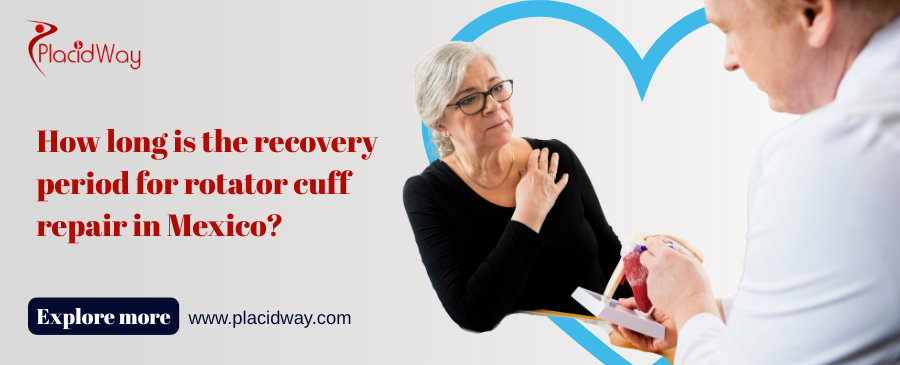
The recovery period for rotator cuff repair in Mexico typically requires an immediate stay of 7 to 10 days post-surgery. Full recovery can span 4 to 12 months, influenced by factors like tear severity and adherence to physical therapy. Dedicated rehabilitation is crucial for restoring shoulder strength and mobility, allowing a gradual return to daily activities and sports.
Undergoing rotator cuff repair in Mexico represents a pivotal step towards alleviating persistent shoulder pain and restoring optimal function. For many patients, a central and pressing question revolves around the expected recovery timeline following such a significant orthopedic procedure. This journey back to full strength and mobility is a gradual process that typically extends over several months.
While the initial healing phase immediately after surgery is relatively brief, achieving a complete and lasting recovery necessitates a dedicated and consistent commitment to rehabilitation. Understanding each stage of this process is fundamental to managing expectations effectively and ensuring the best possible long-term outcome. As a medical tourism facilitator, PlacidWay connects you with leading international specialists, but it is important to understand that we are not a medical provider.
The overall recovery period for how long is the recovery period for rotator cuff repair in Mexico can vary significantly among individuals, depending on several key factors. Most patients can anticipate a substantial recovery within four to six months, though certain activities may remain restricted for longer durations. This variability is often linked to the extent of the rotator cuff tear, the specific surgical technique employed, and the patient’s overall health and dedication to their prescribed physical therapy regimen.
The initial weeks post-surgery primarily focus on safeguarding the repaired shoulder, followed by a carefully phased approach aimed at progressively regaining motion and building essential strength. This structured path ensures the tendon has the optimal environment to heal while gradually reintroducing functional movement.
Key Takeaways for Rotator Cuff Recovery in Mexico
- Immediate Post-Op Stay: Plan for approximately 7 to 10 days in Mexico for initial monitoring and wound care before returning home.
- Full Recovery Timeline: Expect 4 to 12 months for complete functional recovery, depending on individual factors and rehabilitation efforts.
- Sling Immobilization: A sling is typically worn for 4 to 6 weeks to protect the healing tendon and prevent re-injury.
- Physical Therapy is Essential: A structured, progressive physical therapy program is paramount for regaining motion and strength.
- Return to Activities: Sedentary work may resume in 1-2 weeks, driving after 4-6 weeks (post-sling), and high-impact sports up to a year.
Understanding Rotator Cuff Repair: A Comprehensive Overview
Rotator cuff repair is a surgical procedure aimed at reattaching torn tendons in the shoulder to the bone, relieving pain, and restoring function. The rotator cuff is a group of four muscles and their tendons that surround the shoulder joint, providing stability and enabling a wide range of arm movements.
This crucial surgery becomes necessary when tears in these tendons cause significant pain and weakness, often preventing simple daily activities. The procedure focuses on repairing the damaged tendons, improving shoulder stability, and ultimately restoring the patient’s quality of life.
Surgeons in Mexico commonly utilize advanced arthroscopic techniques, which involve small incisions and specialized instruments. This minimally invasive approach typically results in less post-operative pain and a quicker initial healing phase compared to traditional open surgery, though recovery still demands a diligent approach to physical therapy. The goal is always to achieve full, pain-free mobility.
Rotator Cuff Repair: Evidence of Success and Potential Risks
Evidence & Outcomes: Rotator cuff repair boasts high success rates, particularly with smaller tears and consistent post-operative rehabilitation. Studies indicate that a structured physical therapy program significantly enhances long-term functional outcomes and reduces the risk of re-tear, with patient satisfaction often exceeding 90% in well-managed cases. Younger, healthier patients also tend to experience faster and more complete recoveries due to better tissue quality.
Risks & Contraindications: While generally safe, rotator cuff repair carries risks like infection, nerve damage, stiffness, or re-tearing of the tendon, especially with larger, more complex tears or inadequate adherence to rehabilitation. Factors like age, overall health (e.g., diabetes, smoking), and tear size significantly influence recovery time and potential complications. Seek immediate care if you experience severe pain unresponsive to medication, fever, redness, or drainage from the incision site. Always consult a qualified physician to understand personalized risks, as individual results can vary and are never guaranteed.
Did you know that Mexico is home to some of the world’s most advanced medical facilities, where patients often save significant amounts on orthopedic surgery like rotator cuff repair while receiving care that meets or exceeds international hospital standards?
Comparing Costs for Rotator Cuff Repair
Medical tourism to Mexico for rotator cuff repair offers significant cost advantages without compromising on quality. Patients frequently find that the total cost, including travel and accommodation, is substantially lower than in their home countries. This affordability often allows access to high-quality care that might otherwise be financially out of reach.
These cost savings are due to various factors, including lower overheads and different healthcare economic structures in Mexico. By choosing a reputable facility in Mexico, patients can receive specialized orthopedic surgery from experienced surgeons, ensuring a successful outcome and better value for their healthcare investment. Many clinics offer comprehensive packages that simplify the process for international patients.
Cost Breakdown
Major Savings
| Country | Estimated Cost | Average Savings |
|---|---|---|
| Mexico | $4,000 – $8,000 | Starting Point Best Value |
| United States | $18,000 – $35,000 | 70-80% Savings |
| United Kingdom | $12,000 – $25,000 | 60-75% Savings |
| Canada / Australia | $15,000 – $30,000 | 65-78% Savings |
Essential Facts & Pro-Tips
Your Rotator Cuff Repair Treatment Journey in Mexico
Undergoing rotator cuff repair in Mexico is a structured and patient-focused process designed for optimal outcomes. The treatment journey emphasizes clear communication, meticulous surgical planning, and a supportive post-operative environment to ensure your comfort and safety. This efficient approach minimizes downtime while strictly adhering to all necessary medical protocols.
Frequently Asked Questions
1. How long is the immediate recovery after rotator cuff surgery in Mexico?+
The immediate recovery phase requires you to stay in Mexico post-surgery, typically for about 7 to 10 days. This period allows for essential post-operative monitoring, including wound checks and a crucial follow-up with your orthopedic surgeon.
You will receive detailed instructions on shoulder care, pain management, and correct sling usage. Although you can fly home after this initial period, your comprehensive recovery journey truly begins then.
2. What does the full recovery timeline for rotator cuff repair look like?+
A full recovery from rotator cuff repair typically ranges from 4 to 12 months. This timeline depends heavily on the specifics of your surgery, the severity of the tear, and your dedication to rehabilitation. The process is broken into distinct phases.
The initial 4-6 weeks focus on passive motion, followed by active motion (6-12 weeks), and then a prolonged strengthening phase that can last several additional months. Consistent adherence to your physical therapy program throughout these stages is vital for success.
3. What factors can affect my recovery time for shoulder surgery?+
Several factors significantly influence your recovery time. These include the size and complexity of your rotator cuff tear, the specific type of surgery performed (e.g., arthroscopic vs. open), your age, and your overall health status before the procedure.
Smaller, less complex tears generally heal faster, as do younger, healthier patients. Your commitment to the prescribed physical therapy program and managing underlying conditions like diabetes or smoking also play critical roles in accelerating or delaying your progress.
4. When can I stop wearing a sling after rotator cuff surgery?+
Most patients are advised to wear a sling for approximately 4 to 6 weeks after rotator cuff repair surgery. This immobilization period is crucial for protecting the repaired tendon and allowing it to heal properly. The sling keeps your arm in a supported position, preventing movements that could compromise the surgical repair.
Your surgeon will guide you on when it is safe to discontinue using the sling, typically after assessing the tendon’s healing progress during follow-up appointments. Removing it too soon can lead to complications and a significantly longer overall recovery period.
5. How soon can I return to a desk job after shoulder surgery?+
If you have a sedentary desk job that doesn’t require strenuous arm use, you may be able to return to work within 1 to 2 weeks after your rotator cuff repair surgery. This is provided you can comfortably manage any residual discomfort while wearing your sling.
It’s essential to discuss your return-to-work plan with your surgeon and employer, potentially adjusting your workspace with ergonomic supports to minimize shoulder strain. Even with a desk job, you must remain mindful of your physical limitations and diligently follow all post-operative instructions.
6. When can I start driving again after rotator cuff surgery?+
You should not drive for at least 4 to 6 weeks following your rotator cuff surgery. This restriction is crucial, and you must wait until you are no longer wearing a sling and have regained sufficient strength and control of your arm to safely operate a vehicle.
Driving requires quick reactions and the use of both hands, which is severely compromised while recovering. Always wait for your surgeon’s explicit clearance before getting back behind the wheel to ensure your safety and that of others.
7. What physical therapy is required after rotator cuff repair in Mexico?+
A structured and progressive physical therapy program is absolutely essential for a successful recovery after rotator cuff repair surgery. Therapy typically begins within the first week or two post-surgery, initially focusing on gentle, passive range-of-motion exercises to prevent stiffness.
As healing progresses, your therapist will guide you through active range-of-motion and strengthening exercises. This program, which can be continued in your home country, will be tailored to your specific needs and gradually increase in intensity to restore full function and prevent future injuries.
8. Are there any long-term restrictions after rotator cuff repair?+
For most individuals, there are no significant long-term restrictions after a successful rotator cuff repair coupled with a comprehensive rehabilitation program. The primary goal of the surgery is to restore full, pain-free function to your shoulder, enabling a return to previous activities without major limitations.
However, it’s always advisable to remain mindful of your shoulder health. Continuing a maintenance program of strengthening and stretching exercises and using proper form during physical activities can help minimize the risk of future injuries and preserve the long-term benefits of your repair.
Ready to Take the Next Step Towards Recovery?
Choosing the right destination for your medical care is significant. By opting for treatment abroad, you are not just saving on costs—you are gaining access to specialized clinicians and world-class care.
Related Resources