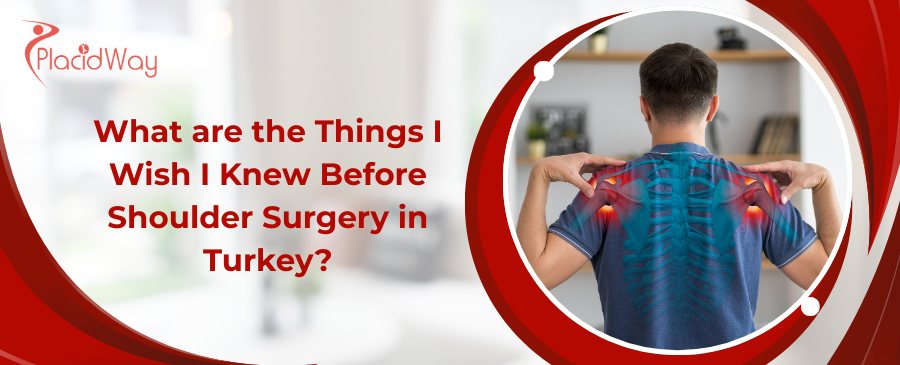
Before shoulder surgery in Turkey, know that it offers a unique blend of high-quality care and affordability, with costs often 60-70% lower than in the US or UK. Success hinges on rigorous surgeon selection, thorough pre-trip planning, and a strong commitment to post-operative physical therapy. Prepare for a minimum 2-3 week stay for initial recovery and rehabilitation abroad.
Living with chronic shoulder pain profoundly impacts daily life. When surgical intervention becomes necessary, the often prohibitive costs and extended wait times in many Western countries can be disheartening for patients seeking relief.
This is precisely why shoulder surgery in Turkey has emerged as a compelling alternative, providing access to world-class orthopedic care that is both timely and considerably more affordable. Turkey’s healthcare system has seen significant investment, leading to modern, JCI-accredited hospitals and highly skilled surgeons, as highlighted by numerous international medical reports.
However, embarking on an international medical journey presents unique considerations. Many patients reflect on crucial details they wish they had understood earlier, spanning everything from transparent costs and selecting the right surgeon to the practicalities of recovery and rehabilitation abroad. PlacidWay is a medical tourism facilitator, not a healthcare provider, and our aim is to empower you with these practical insights.
This comprehensive guide seeks to equip you with the knowledge needed for a successful journey toward restored mobility and lasting relief, ensuring your experience is as smooth and informed as possible.
What Are the Key Benefits of Choosing Shoulder Surgery in Turkey?
- Significant Cost Savings: Access high-quality orthopedic care at a fraction of the cost found in Western countries, typically 60-70% less.
- Internationally Accredited Hospitals: Receive treatment in JCI-accredited facilities equipped with advanced technology and strict patient safety protocols.
- Expert Orthopedic Surgeons: Benefit from the expertise of board-certified surgeons with extensive experience and often international fellowship training.
- Comprehensive Post-Operative Care: Packages often include initial physical therapy, crucial for starting your recovery under professional guidance before returning home.
- Timely Treatment Access: Avoid long waiting lists common in other countries, enabling prompt surgical intervention and faster recovery.
What Exactly is Shoulder Surgery and How Does it Work?
Shoulder surgery encompasses various procedures designed to repair damage, reduce pain, and restore function to the shoulder joint. These interventions address conditions like rotator cuff tears, dislocations, arthritis, and fractures that severely limit mobility.
Procedures range from minimally invasive arthroscopy, where small incisions are used with a camera and specialized instruments, to open surgery for more extensive repairs like total shoulder replacement. Arthroscopy is common for rotator cuff repairs, removing loose bodies, or treating impingement syndrome, allowing for quicker recovery times due to less tissue disruption.
For severe arthritis or extensive damage, total shoulder replacement involves replacing damaged bone and cartilage with prosthetic components. This aims to alleviate chronic pain and significantly improve range of motion, providing long-term relief for many patients, as explained by leading orthopedic associations.
Understanding Evidence-Based Outcomes and Potential Risks
Evidence & Outcomes: Success rates for various shoulder surgeries in Turkish hospitals are comparable to Western standards, often exceeding 90% for common procedures like rotator cuff repair and arthroscopic interventions, when followed by dedicated rehabilitation. This is supported by the high volume of procedures performed by internationally trained surgeons and the use of advanced medical technology in JCI-accredited facilities, a standard recognized globally by Joint Commission International.
Risks & Contraindications: While generally safe, shoulder surgery carries risks such as infection, nerve damage, stiffness, or the need for revision surgery. Individual outcomes can vary significantly depending on the patient’s condition, adherence to rehabilitation, and overall health. Seek immediate medical care if you experience severe pain, persistent fever, unusual swelling, or numbness after surgery. Always consult a qualified physician for personalized advice.
Did you know that Turkey is home to some of the world’s most advanced medical facilities, where patients often save significant amounts on shoulder surgery while receiving care that meets or exceeds international hospital standards?
Shoulder Surgery in Turkey: A Cost Comparison Overview
The cost of shoulder surgery is a primary driver for many patients considering Turkey. Procedures like arthroscopic rotator cuff repair are significantly more affordable, often representing a substantial reduction compared to Western countries. This makes high-quality treatment accessible to a broader range of individuals globally.
Turkish hospitals frequently offer all-inclusive packages for international patients, which can simplify budgeting by covering surgeon fees, hospital stays, and initial therapy. It is always wise to request a detailed, itemized quote to understand all inclusions and plan for additional expenses such as flights and extended rehabilitation.
Cost Breakdown for Rotator Cuff Repair
Major Savings
| Country | Estimated Cost | Average Savings |
|---|---|---|
| Turkey | $5,000 – $8,000 | Starting Point Best Value |
| United States | $20,000 – $30,000+ | ~75% Savings |
| United Kingdom | $18,000 – $28,000+ | ~70% Savings |
| Canada / Australia | $20,000 – $30,000+ | ~75% Savings |
Essential Facts & Pro-Tips
Understanding Your Shoulder Surgery Treatment Journey in Turkey
The treatment journey for shoulder surgery in Turkey is designed for efficiency and comprehensive care. It integrates pre-operative assessments, the surgical procedure, and critical post-operative recovery, all within a structured timeline to support optimal healing and return to function.
Frequently Asked Questions About Shoulder Surgery in Turkey
1. Why has Turkey become a hotspot for shoulder surgery?+
Turkey is a leading destination for shoulder surgery due to its exceptional balance of high-quality care and affordability. Patients access internationally trained orthopedic surgeons in JCI-accredited hospitals that utilize advanced technology. Costs are often 60-70% lower than in the US or UK.
The country’s significant government investment in healthcare infrastructure, particularly in cities like Istanbul and Ankara, has created state-of-the-art facilities. Turkish orthopedic surgeons often hold European or U.S. fellowships and are proficient in modern techniques like shoulder arthroscopy, making it an attractive option globally.
2. How do I find a top orthopedic surgeon for shoulder surgery in Turkey?+
To find an expert orthopedic surgeon, prioritize their credentials and experience. Look for board-certified surgeons with specialized fellowships in shoulder surgery and membership in international orthopedic societies. Research their annual surgical volume, as a high number often indicates better outcomes, and specifically inquire about their experience with your particular condition.
Scheduling a virtual consultation is essential to assess their expertise and communication style. This allows you to ask targeted questions, share your MRI scans, and ensure you feel comfortable with their approach before committing to travel, ensuring alignment with your healthcare goals.
3. How long should I plan to stay in Turkey for surgery and initial recovery?+
You should plan a minimum stay of 2 to 3 weeks in Turkey for shoulder surgery. This duration allows for pre-operative consultations, the surgery itself (typically a 1-3 night hospital stay), and, most critically, the commencement of your physical therapy. Rushing home immediately after surgery can jeopardize your recovery and long-term outcome.
The first few weeks are fundamental for managing pain and initiating rehabilitation under professional guidance. This ensures proper wound healing, prevents stiffness, and sets the foundation for your continued recovery. Your surgeon will also want to conduct a final check-up before clearing you for safe travel back home.
4. Is physical therapy included in the overall cost of shoulder surgery?+
Initial in-hospital physical therapy is almost always included in surgical packages. However, the crucial outpatient physical therapy sessions required during your 2-3 week recovery stay are often a separate, additional cost. It is essential to clarify these expenses and budget for them well in advance of your trip. Many patients express wishing they had understood this aspect sooner.
Effective rehabilitation is paramount for a successful outcome after shoulder surgery. Inquire about the cost per session and the recommended frequency directly with the clinic to ensure your treatment plan includes this vital component without unexpected financial burdens.
5. Will I need a companion to travel with me for shoulder surgery?+
Yes, it is highly recommended and almost essential to have a companion travel with you for shoulder surgery. Your arm will be immobilized for several weeks, significantly limiting your independence. A companion can provide invaluable assistance with daily tasks, such as cutting food, getting dressed, and managing luggage, which can be challenging with one hand.
Beyond practical support, a travel companion offers crucial emotional encouragement during recovery. Attempting to manage this journey alone would be exceptionally difficult and stressful, making their presence a significant factor in your comfort and well-being.
6. What should I pack for a shoulder surgery trip to Turkey?+
Pack loose, comfortable clothing that can be easily put on with one hand. Prioritize button-down or zip-front shirts and large t-shirts that can be pulled on without extensive arm movement. For bottoms, elastic-waist pants or athletic shorts are ideal, as they avoid the need for buttons or zippers. Slip-on shoes or sandals are a must, as bending to tie laces will be impossible.
Consider bringing reusable gel ice packs for pain and swelling management, along with personal comfort items like a long phone charging cable, dry shampoo, and pre-downloaded entertainment. Smart packing for “one-handed living” will greatly enhance your comfort and independence during recovery.
7. How painful is the recovery process after shoulder surgery?+
The first few days immediately following shoulder surgery are typically the most painful, but this discomfort is effectively managed with strong pain medication. Many surgeons utilize a nerve block during the procedure, which provides significant pain relief for the initial 12-24 hours post-operation. After this period, the intense pain generally subsides into a more manageable, deep ache.
It is crucial to stay on schedule with prescribed pain medication to proactively manage discomfort rather than waiting for pain to escalate. Regular icing also plays a vital role in controlling swelling and further alleviating pain throughout the initial week of recovery. Continuous communication with your medical team about your pain levels is essential.
8. What is the single most important thing to know before having shoulder surgery in Turkey?+
The single most important thing to understand is that the surgery itself is merely the first step in your journey to recovery. A successful and lasting outcome is overwhelmingly dependent on your unwavering commitment to a long and consistent physical therapy program. This rehabilitation will typically last for several months after you return home.
Surgery fixes the anatomical issue, but rehabilitation is what restores strength, flexibility, and overall function to your shoulder. It is crucial to connect with a local physical therapist before traveling to Turkey, ensuring a seamless continuity of care and a well-structured plan for your post-operative recovery.
Ready to Take the Next Step Towards Recovery?
Choosing the right destination for your medical care is significant. By opting for treatment abroad, you are not just saving on costs—you are gaining access to specialized clinicians and world-class care.
Related Resources
Related Articles