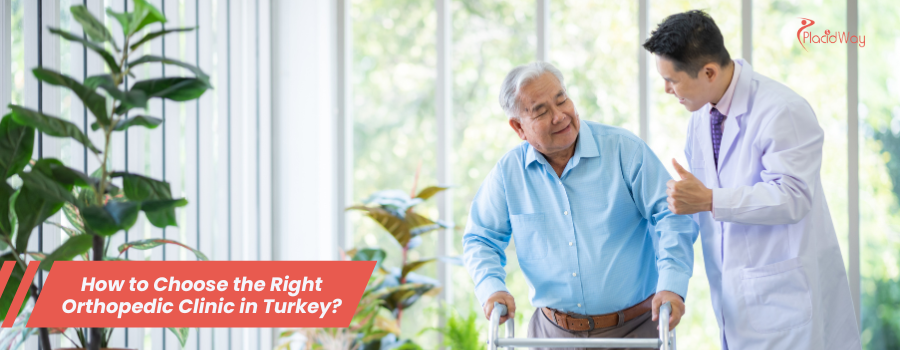
Choosing the right orthopedic clinic in Turkey involves verifying international accreditations like JCI. You should assess surgeon experience, and review patient testimonials thoroughly. Look for modern equipment, comprehensive rehabilitation, and transparent “all-inclusive” packages. Patients often save 50% to 70% compared to Western countries, while accessing world-class care and specialized medical professionals. This diligence ensures a safe and effective treatment journey.
Considering an orthopedic procedure in Turkey can open doors to high-quality, affordable healthcare. Many patients are drawn to the country’s stunning landscapes and state-of-the-art medical facilities. However, selecting the ideal clinic in a foreign country can feel daunting. This comprehensive guide simplifies the decision-making process for you.
Our aim is to empower you with essential information. This ensures you find a safe and trustworthy medical team for your health needs. How to Choose the Right Orthopedic Clinic in Turkey? involves more than just comparing prices. It demands thorough research into credentials, technology, and patient support.
Turkey boasts advanced healthcare systems and highly skilled orthopedic specialists. Many Turkish doctors have trained in Europe and the United States, bringing international expertise to their practice. PlacidWay acts as a medical tourism facilitator, connecting patients with vetted providers globally, and is not a direct healthcare provider itself.
Always consult a qualified physician for personalized medical advice tailored to your specific health requirements. Due diligence and expert guidance are your best allies in this process. According to the Turkish Ministry of Health, the country has made significant investments in healthcare infrastructure (Turkey Ministry of Health, 2024).
What Are the Key Considerations When Selecting an Orthopedic Clinic?
- Accreditation & Quality: Verify international accreditations like JCI (Joint Commission International) for stringent global standards in patient safety and care. This ensures the clinic meets recognized benchmarks.
- Surgeon’s Proven Expertise: Prioritize surgeons with extensive experience, specific specializations (e.g., knee, spine, sports injuries), and a high volume of successful procedures. Some renowned Turkish doctors have decades of experience.
- Advanced Technology: Look for clinics equipped with state-of-the-art diagnostic and surgical tools. This includes robotic-assisted surgery systems, which can lead to greater precision and faster recovery times for joint replacements.
- Comprehensive Patient Support: Ensure access to multilingual staff, including dedicated patient coordinators. They will help with scheduling, airport transfers, and even accommodation, smoothing your medical journey.
- Transparent Costing: Demand a clear, detailed breakdown of all costs and package inclusions. This transparency helps avoid any hidden fees, providing financial peace of mind.
- Robust Post-Operative Care: Confirm the clinic provides thorough post-operative instructions and offers remote follow-up consultations. This continued support is crucial for a successful and worry-free recovery once you return home.
What Defines an Orthopedic Clinic and Its Services?
An orthopedic clinic specializes in diagnosing, treating, and preventing musculoskeletal disorders. This includes conditions affecting bones, joints, ligaments, tendons, and muscles. These facilities offer a comprehensive range of services, from non-surgical interventions to complex surgical procedures.
The primary goal of orthopedic treatment is to restore function, alleviate pain, and significantly improve the patient’s overall quality of life. Treatment options encompass physical therapy, medication management, and various surgical procedures. Common surgeries include joint replacements, arthroscopy, and spine surgery for conditions like herniated discs.
Clinics typically feature specialized diagnostic imaging capabilities, such as MRI and CT scans, alongside dedicated rehabilitation services. Many institutions provide comprehensive care pathways, supporting patients through every stage from diagnosis to recovery and long-term wellness. Their focus remains on delivering integrated solutions.
Evaluating the Quality and Safety of Orthopedic Treatment in Turkey
Evidence & Outcomes: Turkish orthopedic clinics boast impressive success rates, often aligning with or exceeding international benchmarks. Many facilities hold prestigious international accreditations such as the Joint Commission International (JCI), ensuring adherence to rigorous global standards for patient safety and quality of care (Joint Commission International, 2024). For instance, the use of robotic-assisted surgery for joint replacements has been shown to lead to greater precision and faster recovery times, as highlighted in numerous medical studies (National Library of Medicine, 2022). These advanced technologies, coupled with highly experienced surgeons, contribute to consistently positive patient outcomes. Patients benefit from modern equipment and established protocols.
Risks & Contraindications: While orthopedic procedures in Turkey are generally safe, like all surgeries, they carry inherent risks such as infection, blood clots, or adverse reactions to anesthesia. Individual outcomes can vary significantly based on pre-existing conditions and adherence to post-operative instructions. Seek immediate care if you experience severe pain, persistent fever, unusual swelling, or signs of infection at the surgical site. Always consult with a qualified physician to discuss your specific medical history and potential contraindications before making any treatment decisions. Your personal health profile dictates the suitability of any procedure.
Did you know that Turkey is home to some of the world’s most advanced medical facilities, where patients often save significant amounts on orthopedic treatments while receiving care that meets or exceeds international hospital standards?
How Does Orthopedic Surgery Cost Compare Internationally?
Patients are often motivated by the substantial cost savings available for orthopedic surgery in Turkey. These savings can range from 50% to 70% compared to Western countries like the United States, the UK, or Germany. For example, a hip or knee replacement that costs tens of thousands of dollars in the US can be a mere fraction of that price in Turkey. This includes the surgery, hospital stay, and initial recovery expenses.
These considerable savings don’t come at the expense of quality. Turkish clinics maintain high medical standards and utilize advanced technologies comparable to top-tier global facilities, often boasting international accreditations like ISO (International Organization for Standardization, 2024). The transparent pricing and “all-inclusive” packages make medical travel a financially attractive option for many, allowing access to life-changing procedures that might otherwise be unaffordable.
Orthopedic Surgery Cost Breakdown (Hip/Knee Replacement)
Major Savings
| Country | Estimated Cost | Average Savings |
|---|---|---|
| Turkey | $10,000 – $15,000 | Starting Point Best Value |
| United States | $30,000 – $70,000 | 50-70% Savings |
| United Kingdom | $20,000 – $45,000 | 30-60% Savings |
| Canada / Australia | $25,000 – $55,000 | 40-70% Savings |
Essential Facts & Pro-Tips
What Does the Typical Orthopedic Treatment Journey in Turkey Entail?
Efficiency is a hallmark of the medical experience in Turkey. The treatment process is carefully designed to minimize downtime while ensuring every safety protocol is strictly followed. This structured approach maximizes recovery potential for international patients.
Patients receive comprehensive support at every stage, from the initial consultation to post-operative follow-up. This seamless coordination is key to a successful medical tourism journey, providing peace of mind.
Frequently Asked Questions About Orthopedic Clinics in Turkey
1. Is orthopedic treatment safe in Turkey?+
Yes, orthopedic treatment in Turkey is generally considered safe. Many Turkish hospitals are JCI-accredited, meaning they adhere to stringent global standards for patient safety and quality of care (JCI, 2024). A significant number of Turkish orthopedic surgeons have received training and practiced in leading medical institutions across Europe and the US, bringing world-class expertise to their practice. Modern facilities are equipped with state-of-the-art diagnostic and surgical technologies, including robotic-assisted systems for enhanced precision. Patient safety is a top priority for these accredited institutions.
2. How do I verify a surgeon’s qualifications and experience?+
Verifying a surgeon’s qualifications is a crucial step in choosing the right clinic. Look for information on the clinic’s official website or ask your patient coordinator directly. You should inquire about the surgeon’s years of experience, their specific specialization within orthopedics (e.g., knee, spine, sports injuries), and the number of procedures similar to yours they have performed successfully. Checking for memberships in professional orthopedic or traumatology associations, both national and international, also indicates a commitment to professional excellence and staying updated with the latest advancements.
3. What types of orthopedic procedures are commonly offered in Turkey?+
Orthopedic clinics in Turkey offer a broad spectrum of procedures. Common treatments include total joint replacements (such as hip and knee replacement surgery), arthroscopy for minimally invasive joint repair, and various spine surgeries. They also specialize in sports injury treatments, fracture care, and reconstructive surgeries. Many clinics are equipped with advanced technology for procedures like robotic-assisted joint replacements, contributing to higher precision and improved recovery outcomes for patients (Global Orthopedic Solutions, 2024).
4. How long should I plan to stay in Turkey for orthopedic surgery?+
The duration of your stay in Turkey will depend significantly on the type and complexity of your orthopedic procedure. For minor interventions like arthroscopy, a stay of a few days to a week might suffice. However, for major surgeries such as a total joint replacement, doctors typically recommend staying for 10 to 14 days. This allows for the initial recovery phase, wound care, and participation in crucial early physical therapy sessions before traveling back home. Your medical team will provide a personalized timeline based on your recovery needs.
5. What kind of post-operative support can I expect after returning home?+
Reputable orthopedic clinics in Turkey prioritize comprehensive post-operative care, even after you return to your home country. You should receive clear, written instructions covering wound care, medication schedules, and recommended physical limitations. Many clinics offer remote follow-up consultations, allowing you to connect with your surgeon or patient coordinator via video call. This enables you to send photos of your healing progress and ask any questions, providing invaluable peace of mind and continuous support for your recovery journey.
6. Can I combine my orthopedic treatment with a vacation in Turkey?+
Absolutely! Combining treatment with a vacation is one of the appealing aspects of medical tourism in Turkey. Many patients choose to extend their stay either before or after their orthopedic procedure to experience Turkey’s rich historical sites, beautiful beaches, and vibrant cultural attractions. It is crucial, however, to follow your doctor’s advice regarding physical activity levels and recovery timelines. Ensuring you don’t overexert yourself, especially soon after surgery, is paramount for a successful and safe recovery. Plan your activities accordingly.
7. How do I handle language barriers during my medical journey?+
Language barriers are a common concern for international patients, but top orthopedic clinics in Turkey are well-prepared to address this. Most reputable clinics feature an international patient department with multilingual staff who are fluent in various languages. They typically provide professional translators or interpreters to assist you throughout every stage of your journey, from initial consultations to post-operative follow-ups. This ensures clear communication, reduces stress, and minimizes potential misunderstandings, making your medical experience much smoother. This specialized service is a cornerstone of patient-centric care.
8. What payment options are available for orthopedic procedures?+
Payment options for orthopedic procedures in Turkey often include wire transfers, credit card payments, and sometimes direct payments through medical tourism facilitators like PlacidWay. While many clinics offer “all-inclusive” packages covering various aspects of your treatment, it is essential to clarify all inclusions and ask about any potential hidden fees upfront. Some clinics may require an upfront deposit, with the remaining balance due upon arrival or prior to surgery. Always confirm accepted payment methods and currency exchange rates with your chosen clinic or facilitator to ensure financial clarity.
Ready to Take the Next Step Towards Recovery?
Choosing the right destination for your medical care is significant. By opting for treatment abroad, you are not just saving on costs—you are gaining access to specialized clinicians and world-class care.