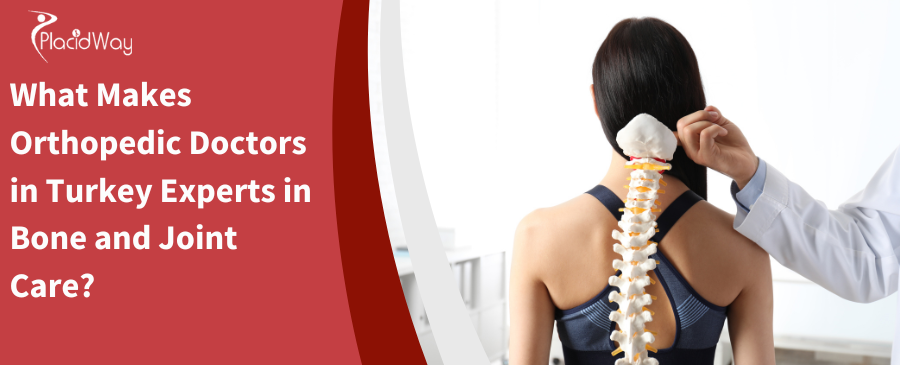
Orthopedic doctors in Turkey are recognized experts in bone and joint care due to their rigorous international training, extensive surgical experience, and access to cutting-edge robotic and navigational technology. These factors enable consistently high success rates, often reaching 95-98% for complex procedures like knee and hip replacements, on par with global leaders.
When chronic joint pain or a debilitating bone condition severely impacts your life, finding the right medical expert is paramount. In recent years, Turkey has emerged as a prominent destination for musculoskeletal health, attracting patients globally for complex spinal surgeries and advanced joint replacements. This reputation is built on superior medical education and relentless innovation.
The expertise within Turkish orthopedic departments stems from a dedicated effort to cultivate a world-class healthcare system. This system promotes excellence through demanding training programs, often involving international fellowships, and encourages the adoption of the latest medical technologies. For instance, many Turkish hospitals are equipped with advanced robotic systems, ensuring precise surgical outcomes, as outlined by organizations like the Joint Commission International (JCI).
This combination of advanced technology and the high volume of procedures performed provides Turkish doctors with unparalleled practical experience. This article explores the key factors that establish What Makes Orthopedic Doctors in Turkey Experts in Bone and Joint Care?, offering a unique blend of quality, innovation, and value. As a medical tourism facilitator, PlacidWay connects patients with these reputable international healthcare providers, offering transparent information and support for your journey.
While PlacidWay assists in coordinating care, we are a facilitator and not a medical provider. Always consult with a qualified physician for personalized medical advice and treatment recommendations.
Unlocking Excellence: Key Benefits of Orthopedic Care in Turkey
- Rigorous Training & Global Perspective: Turkish orthopedic surgeons undergo demanding education, often including international fellowships, ensuring world-class expertise.
- High Success Rates: Success rates for many procedures, like joint replacements, consistently rival or exceed those in leading Western countries.
- Advanced Technology & Minimally Invasive Approaches: Access to robotic-assisted surgery and 3D planning enhances precision and accelerates patient recovery.
- Significant Affordability: Patients can achieve substantial cost savings, often 50-70% less than in the US or UK, without compromising quality.
- International Accreditation: Many Turkish hospitals hold prestigious JCI accreditation, signifying adherence to global patient safety and quality standards.
Understanding Orthopedic Care: What Does It Encompass?
Orthopedic surgery is a medical specialty focused on the diagnosis, correction, prevention, and treatment of patients with skeletal deformities, and disorders of the bones, joints, muscles, ligaments, tendons, and nerves.
In Turkey, this specialized field involves advanced techniques to address a wide range of musculoskeletal conditions. Surgeons utilize state-of-the-art methods to ensure optimal patient outcomes and faster recovery periods. These techniques often minimize invasiveness and enhance precision.
Leading Turkish orthopedic hospitals are equipped with the latest medical technologies, including robotic-assisted surgery systems such as MAKO and ROSA. They also employ 3D surgical planning software and computer-navigated surgery systems for enhanced accuracy. Advanced imaging techniques like intraoperative O-arm scans further support intricate procedures, as detailed by leading medical technology publications like PubMed.
Orthopedic Outcomes & Important Considerations
Evidence & Outcomes: Orthopedic surgery success rates in Turkey are highly competitive globally, with top hospitals reporting 95-98% success for common procedures like knee and hip replacements. This is attributed to high procedural volume, sophisticated technology, and comprehensive post-operative care within JCI-accredited facilities, as confirmed by World Health Organization standards.
Risks & Contraindications: While generally safe, orthopedic surgeries carry inherent risks such as infection, blood clots, nerve damage, or implant complications. Individual results can vary significantly based on health, age, and adherence to rehabilitation protocols. Seek immediate care if you experience severe pain, sudden swelling, fever, or signs of infection after surgery. Always consult a qualified orthopedic specialist to understand specific risks and suitability for your condition.
Did you know that Turkey is home to some of the world’s most advanced medical facilities, where patients often save significant amounts on orthopedic surgery while receiving care that meets or exceeds international hospital standards?
Orthopedic Care Costs: How Does Turkey Compare Globally?
Orthopedic surgery in Turkey is remarkably affordable, often 50-70% less expensive than in countries like the US or UK. For example, a total knee replacement costing around $40,000 in the US can typically be performed for $7,000-$12,000 in Turkey. This significant cost difference does not reflect lower quality, but rather favorable economic conditions.
Lower operational costs for hospitals, competitive healthcare market dynamics, and government support for medical tourism contribute to these savings. Patients benefit from all-inclusive packages covering surgery, hospital stay, accommodation, and transfers, ensuring transparent pricing and exceptional value without compromising on implant quality or surgical expertise.
Cost Breakdown for Major Orthopedic Surgery (e.g., Knee Replacement)
Major Savings
| Country | Estimated Cost | Average Savings Compared to US |
|---|---|---|
| Turkey | $7,000 – $12,000 | Starting Point Best Value |
| United States | $40,000 | 0% (Base Cost) |
| United Kingdom | $25,000 – $30,000 | ~30-40% Savings |
| Canada / Australia | $28,000 – $35,000 | ~12-25% Savings |
Essential Facts & Pro-Tips
Your Orthopedic Treatment Journey in Turkey: A Step-by-Step Overview
Embarking on an orthopedic treatment journey abroad can feel daunting, but Turkish medical facilities streamline the process for international patients. Efficiency is a hallmark of the medical experience in this destination. The process minimizes downtime while ensuring every safety protocol is strictly followed.
Frequently Asked Questions
1. What Kind of Training Do Orthopedic Surgeons in Turkey Have?+
Orthopedic surgeons in Turkey undergo a demanding training process. This includes six years of medical school followed by a rigorous five-year residency program specializing in orthopedics and traumatology. This comprehensive training covers all aspects of musculoskeletal care, from trauma surgery to pediatric orthopedics and joint arthroplasty.
Many also pursue advanced sub-specialty fellowships at prestigious international institutions in the USA and Europe. This global educational exposure ensures they are proficient in the latest techniques and adhere to the highest international standards of excellence.
2. How Do Success Rates for Orthopedic Surgery in Turkey Compare Globally?+
Success rates for orthopedic surgeries in Turkey are highly competitive and often surpass those in leading Western countries. For common procedures such as knee and hip replacements, top Turkish hospitals frequently report success rates of 95-98%.
These figures are comparable to the best orthopedic centers worldwide. This high success is largely due to the high volume of procedures performed, the widespread use of advanced robotic and computer-assisted technologies, and an emphasis on comprehensive post-operative care and rehabilitation.
3. What Advanced Technologies Are Used in Turkish Orthopedic Hospitals?+
Turkish orthopedic hospitals are at the forefront of medical innovation, equipped with cutting-edge technologies that enhance surgical precision and patient outcomes. These include robotic-assisted surgery systems like MAKO and ROSA, which allow for highly accurate implant placement.
Additionally, hospitals utilize 3D surgical planning software for intricate pre-operative assessments and computer-navigated surgery systems for real-time guidance during procedures. Advanced imaging techniques, such as intraoperative O-arm scans, also ensure optimal visualization and safety. The adoption of minimally invasive techniques further reduces recovery times.
4. Why is Orthopedic Surgery So Much More Affordable in Turkey?+
Orthopedic surgery in Turkey is significantly more affordable, often 50-70% less than in countries like the US or UK, primarily due to economic factors. The country’s lower cost of living translates to reduced operational costs for hospitals, including salaries and facility maintenance.
Additionally, government support for medical tourism and a highly competitive healthcare market drive hospitals to offer exceptional value. This often includes all-inclusive packages that cover surgery, hospital stay, accommodation, and transfers, providing transparent and cost-effective solutions without compromising quality, a key advantage noted by medical travel analyses from sources like the NHS (UK National Health Service) when considering international care options.
5. Are Turkish Orthopedic Hospitals Internationally Accredited?+
Yes, many of Turkey’s leading hospitals, particularly those catering to international patients, hold prestigious international accreditations. The most notable of these is the Joint Commission International (JCI).
Turkey boasts one of the highest numbers of JCI-accredited hospitals worldwide. This accreditation is a global benchmark for healthcare quality and patient safety, ensuring that facilities meet or exceed rigorous international standards in all operational aspects, from surgical protocols to infection control and patient rights.
6. What Types of Orthopedic Procedures Are Most Common in Turkey?+
Turkish orthopedic centers offer a comprehensive array of treatments for musculoskeletal conditions. However, they have garnered a particularly strong international reputation for certain procedures.
The most common orthopedic procedures for international patients include knee and hip replacement surgery (arthroplasty), ACL reconstruction, spinal fusion, and scoliosis correction. Various arthroscopic surgeries for shoulders and ankles are also frequently performed, leveraging advanced techniques for optimal recovery.
7. How Do I Choose the Best Orthopedic Doctor in Turkey?+
Selecting the right orthopedic doctor is a critical step. Begin by researching their sub-specialty and verifying their experience with your specific condition. Look for doctors with strong credentials and evidence of international training or fellowships.
Reading detailed patient reviews and testimonials can also provide valuable insights. Scheduling a video consultation is highly recommended to assess communication clarity and ensure comfort with their approach. This initial interaction is vital for making an informed decision about your care.
8. What Is the Typical Recovery Period for Common Orthopedic Procedures in Turkey?+
The recovery period for orthopedic procedures in Turkey can vary depending on the complexity of the surgery and individual patient factors. However, due to the use of minimally invasive techniques and advanced post-operative care, many patients experience faster recovery times compared to traditional methods.
For major surgeries like knee or hip replacement, initial hospital stays are typically 3-7 days, with full recovery and rehabilitation extending over several weeks to months. Detailed personalized rehabilitation plans are provided to ensure a smooth transition back to daily activities, often overseen by specialists to optimize outcomes, as discussed on reputable health platforms like the Mayo Clinic.
Ready to Take the Next Step Towards Recovery?
Choosing the right destination for your medical care is significant. By opting for treatment abroad, you are not just saving on costs—you are gaining access to specialized clinicians and world-class care.