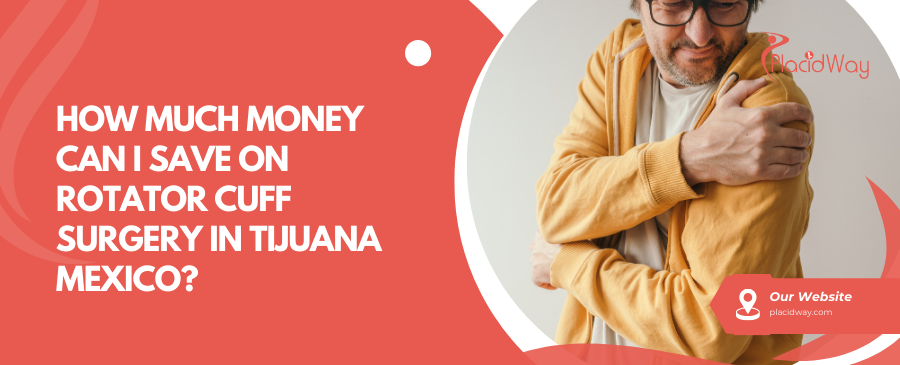
Patients can typically save 50% to 70% on rotator cuff surgery in Tijuana, Mexico, compared to average US costs. This translates to substantial financial relief, often amounting to $10,000 to $25,000 or even more, for high-quality, effective shoulder repair procedures.
Rotator cuff injuries are a common source of shoulder pain and disability, frequently necessitating surgical intervention to restore mobility and strength. The escalating costs of healthcare in the United States, however, often place this vital procedure out of reach for many, adding financial strain to physical discomfort.
This challenging situation has led numerous individuals to explore medical tourism as a viable alternative, with Tijuana, Mexico, emerging as a prominent destination for affordable and high-quality orthopedic care. As a medical tourism facilitator, PlacidWay connects patients with trusted healthcare providers globally, including those specializing in rotator cuff surgery in Tijuana Mexico.
This comprehensive guide aims to shed light on the financial benefits, quality assurance measures, and practical aspects of undergoing shoulder surgery across the border. We draw on extensive data regarding medical costs and patient experiences, as documented in various medical tourism resources on PlacidWay.com, to help prospective patients make informed decisions.
It is our goal to provide transparent insights into how much you can potentially save without compromising on the quality of your medical outcome, ensuring access to essential surgical solutions.
What Key Takeaways Should You Consider for Rotator Cuff Surgery in Tijuana?
- Significant Savings: Patients can save 50-70% on surgery costs compared to US prices, making essential care more accessible.
- High-Quality Care: Many Tijuana facilities boast international accreditations and feature US-trained or board-certified orthopedic surgeons.
- All-Inclusive Packages: Typical surgical packages often cover surgeon fees, anesthesia, facility costs, and initial post-operative support.
- Structured Recovery: Clinics provide immediate post-operative care and referrals for ongoing physical therapy to support healing.
- Logistical Support: Many providers assist with travel, accommodation, and communication to ensure a smooth patient experience.
Understanding Rotator Cuff Surgery: What Does it Entail?
Rotator cuff surgery is an orthopedic procedure designed to repair torn tendons in the shoulder, restoring function and alleviating pain caused by injury or degeneration. It aims to reattach the damaged tendon to the bone.
This intervention is crucial for individuals experiencing persistent shoulder pain, weakness, or limited range of motion not resolved by conservative treatments. The primary goal is to improve shoulder stability and enable a return to daily activities without discomfort, according to orthopedic guidelines.
Surgical techniques vary based on the tear’s severity, including minimally invasive arthroscopic surgery or traditional open repair, as discussed by experts in orthopedic surgery in Tijuana. Arthroscopy uses small incisions and a camera, offering quicker recovery. Open repair involves a larger incision for direct visualization, often necessary for more complex tears.
Examining Evidence and Potential Risks of Rotator Cuff Repair
Evidence & Outcomes: Rotator cuff surgery boasts a high success rate, particularly with appropriate patient selection and adherence to post-operative rehabilitation protocols. Patients often experience significant improvement in pain and function, with studies frequently reporting positive outcomes for many years post-surgery when performed by qualified orthopedic surgeons, as seen in comprehensive patient testimonials. Success is heavily reliant on consistent physical therapy.
Risks & Contraindications: Like any surgery, rotator cuff repair carries risks such as infection, shoulder stiffness, a potential re-tear of the tendon, or rare nerve damage. Anesthesia complications are also possible. Seek immediate care if you experience severe swelling, fever, persistent numbness, or increased pain after surgery. It is crucial to consult a qualified physician to discuss individual risks and benefits, as outcomes vary per patient and cannot be guaranteed.
Did you know that Tijuana, Mexico, is home to some of the world’s most advanced medical facilities, where patients often save significant amounts on rotator cuff surgery while receiving care that meets or exceeds international hospital standards?
How Much Money Can I Save On Rotator Cuff Surgery In Tijuana Mexico?
The cost disparity for rotator cuff surgery between Tijuana and countries like the US, UK, and Canada is a major motivator for medical tourism. Tijuana offers highly competitive pricing, primarily due to lower operational costs for clinics and reduced administrative overhead. These efficiencies do not compromise the quality of care provided.
Patients can expect to find procedures priced significantly lower, often including comprehensive packages covering various aspects of the surgical journey. This allows for substantial personal savings, making life-changing orthopedic care financially accessible when it might otherwise be prohibitive.
Cost Breakdown
Major Savings
| Country | Estimated Cost | Average Savings |
|---|---|---|
| Tijuana, Mexico | $5,000 – $10,000 | Starting Point Best Value |
| United States | $20,000 – $40,000+ | 50-70% Savings |
| United Kingdom | $15,000 – $30,000 | Significant Savings |
| Canada / Australia | $18,000 – $35,000 | Considerable Savings |
Essential Facts & Pro-Tips
What Does a Typical Rotator Cuff Surgery Treatment Journey Look Like?
Efficiency is a hallmark of the medical experience in this destination. The process minimizes downtime while ensuring every safety protocol is strictly followed.
Frequently Asked Questions About Rotator Cuff Surgery in Tijuana
1. How much does rotator cuff surgery typically cost in Tijuana, Mexico?+
Rotator cuff surgery in Tijuana, Mexico, typically costs between $5,000 and $10,000. This price usually encompasses several essential elements of the procedure, ensuring a comprehensive package for patients. Included are the surgeon’s professional fees, the cost of anesthesia and the anesthesiologist’s services, and the charges associated with using the operating room and surgical facility. Some packages may also extend to cover pre-operative consultations or initial post-operative care. The affordability stems from Mexico’s lower overhead costs and different economic structure.
2. What is the average cost savings for rotator cuff surgery in Tijuana compared to the US?+
Patients traveling to Tijuana for rotator cuff surgery can achieve significant financial advantages, often saving 50% to 70% compared to average US costs. This translates into substantial monetary relief, frequently amounting to $10,000 to $25,000 or even more. For example, a procedure costing $30,000 in the US could be as low as $8,000 in Tijuana, representing a saving of $22,000. These savings are a primary factor driving the growth of medical tourism in the region.
3. What factors influence the total cost of rotator cuff surgery in Tijuana?+
Several key factors can influence the total cost of rotator cuff surgery in Tijuana. These include the complexity and severity of the tear, as more extensive damage requires greater surgical resources and time. The chosen surgical technique, such as arthroscopic versus open repair, also plays a role, with specialized equipment for arthroscopy potentially affecting costs. Furthermore, the surgeon’s experience and reputation, as well as the specific inclusions within the surgical package (e.g., physical therapy, accommodation, pre-operative diagnostics), can lead to variations in the final price. It is essential to obtain a detailed, itemized quote to avoid unexpected expenses.
4. Is the quality of rotator cuff surgery in Tijuana comparable to US standards?+
Many medical facilities in Tijuana offering rotator cuff surgery maintain high standards of care, often comparable to those found in the US. These centers frequently feature US-trained or certified surgeons who adhere to similar surgical techniques and patient care philosophies. Many boast modern technology and equipment, on par with hospitals north of the border. International accreditations from bodies like Joint Commission International (JCI) further signify adherence to rigorous quality and patient safety protocols. However, due diligence is essential; patients should research specific facilities and surgeon credentials to ensure their expectations for quality are met.
5. What is included in a typical rotator cuff surgery package in Tijuana?+
A typical rotator cuff surgery package in Tijuana commonly includes the core medical services required for the procedure. This generally covers the professional fees for the orthopedic surgeon, the cost of the anesthesiologist and their services, and the charges for the use of the surgical facility and operating room. Additionally, many comprehensive packages incorporate pre-operative diagnostics, initial consultations, and immediate post-operative care, including pain management and wound care instructions. Some premium packages may even offer a set number of physical therapy sessions, transportation from the border, or discounted rates for nearby accommodation. Always request a detailed breakdown of inclusions.
6. How long is the recovery period for rotator cuff surgery, and does Tijuana offer post-operative care?+
The recovery period for rotator cuff surgery is a gradual process, with significant healing typically occurring within 4 to 6 months. Full recovery, including a return to complete activity, can take up to a year. This timeline depends on factors such as the tear’s severity and adherence to physical therapy. Tijuana medical facilities are well-equipped to support initial recovery stages. Most clinics provide immediate post-operative care, including pain management and wound care instructions, as well as follow-up appointments before returning home. They also offer referrals to local qualified physical therapists or provide a detailed therapy plan to continue at home, ensuring continuity of care.
7. What are the logistical considerations for traveling to Tijuana for rotator cuff surgery?+
Planning medical travel to Tijuana requires careful attention to several logistical considerations to ensure a smooth and stress-free experience, especially during post-surgical recovery. Key aspects include ensuring your passport and travel documents are valid for crossing the border into Mexico. Transportation arrangements from San Diego International Airport (SAN) to Tijuana and local transport to the clinic and accommodation should be planned in advance. Many medical facilities offer patient pick-up services. Comfortable accommodation near the clinic that supports recovery needs is crucial. Additionally, while many medical staff are bilingual, confirming English-speaking coordinators is advisable to mitigate any potential language barriers. Planning to stay for a few days to a week post-surgery is generally recommended for initial recovery checks.
8. Can I use my US insurance for rotator cuff surgery in Tijuana, Mexico?+
Generally, most US insurance plans do not provide coverage for elective medical procedures, such as rotator cuff surgery, when performed outside the United States. Standard domestic health insurance policies are typically designed to cover care received within the US healthcare system. While some exceptions may exist for specific international insurance plans or limited out-of-network benefits, these are rare and require direct confirmation from your provider. It’s crucial to understand that emergency medical care received internationally is often covered, but elective surgeries do not fall under this category. For the majority of patients, rotator cuff surgery in Tijuana will be an out-of-pocket expense, making the significant cost savings the primary appeal.
Ready to Take the Next Step Towards Recovery?
Choosing the right destination for your medical care is significant. By opting for treatment abroad, you are not just saving on costs—you are gaining access to specialized clinicians and world-class care.