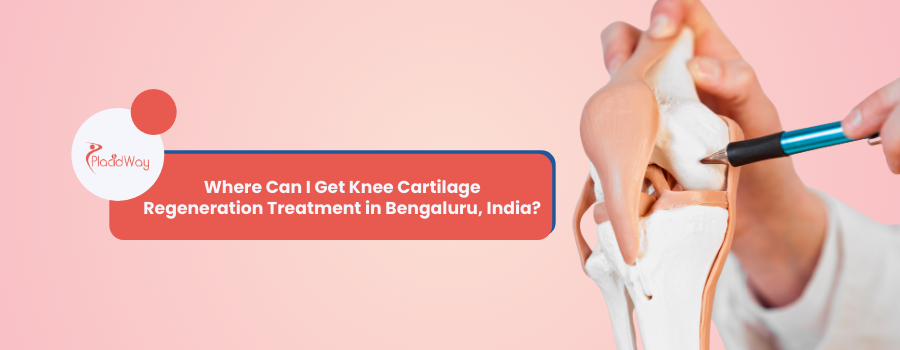
Bengaluru, India, offers comprehensive knee cartilage regeneration treatments at various advanced orthopedic hospitals and specialized joint care centers. These facilities provide a range of modern surgical and non-surgical procedures to restore damaged knee cartilage. Costs typically vary from INR 50,000 to INR 7,00,000 or more, depending on the specific intervention and healthcare provider chosen. Recovery can span from weeks for minor cases to over a year for extensive surgeries like Autologous Chondrocyte Implantation (ACI).
If you are experiencing knee pain due to cartilage damage, you are likely seeking effective solutions to restore your mobility. Bengaluru, known as India’s “Silicon Valley,” is also a burgeoning hub for advanced medical treatments, particularly in specialized orthopedic care for knee conditions.
The city boasts state-of-the-art hospitals and highly skilled orthopedic surgeons who are at the forefront of cartilage regeneration. They offer hope and relief to many patients, addressing issues from injury to degenerative conditions. As a medical tourism facilitator, PlacidWay connects you to these leading global medical centers, helping you navigate your options.
Navigating options for knee cartilage regeneration treatment in Bengaluru, India, can seem complex given the array of choices available. This guide aims to answer your most pressing questions about accessing these innovative therapies. Many patients, both local and international, choose Bengaluru for its blend of advanced medical technology, experienced specialists, and comparatively affordable healthcare, as supported by data from the National Library of Medicine.
Our goal is to help you make informed decisions about your knee health in this thriving medical destination. We provide tailored solutions and assistance throughout your medical journey, ensuring you receive comprehensive support from initial inquiry to post-treatment recovery.
Key Benefits of Knee Cartilage Regeneration in Bengaluru
- Significant Pain Relief: These procedures effectively reduce or eliminate chronic knee pain stemming from damaged cartilage.
- Improved Knee Function: Restoring the smooth joint surface enhances range of motion, stability, and overall knee function.
- Delay or Prevent Joint Replacement: For younger patients, regeneration can preserve natural joints, delaying the need for extensive replacement surgery.
- Long-Term Joint Health: Successful regeneration protects underlying bone and can slow the progression of osteoarthritis.
- Enhanced Quality of Life: Reduced pain and improved mobility directly contribute to a better quality of life and participation in desired activities.
Understanding Knee Cartilage Regeneration Treatments
Knee cartilage regeneration encompasses a range of medical procedures designed to repair or replace damaged cartilage within the knee joint. These interventions aim to alleviate pain, improve joint function, and prevent further deterioration that could lead to conditions like osteoarthritis.
Bengaluru’s orthopedic centers offer a spectrum of treatments, from traditional surgical methods to innovative biological approaches. The choice often depends on the size and location of the defect, patient age, activity level, and overall health. Advanced imaging like MRI helps specialists determine the most appropriate plan.
Common surgical techniques include Microfracture, which creates small holes in the bone to stimulate fibrocartilage growth, and Autologous Chondrocyte Implantation (ACI), a two-stage process where a patient’s own cartilage cells are grown in a lab and re-implanted. Osteochondral Autograft Transplantation (OATS) involves transferring healthy cartilage and bone plugs from a non-weight-bearing area to the damaged site, while Osteochondral Allograft Transplantation uses donor tissue for larger defects, as detailed by the American Academy of Orthopaedic Surgeons.
Non-surgical approaches include Platelet-Rich Plasma (PRP) Injections, utilizing concentrated platelets from the patient’s blood to promote healing and reduce inflammation. Stem Cell Therapy involves injecting mesenchymal stem cells, typically from bone marrow or fat, which possess the potential to differentiate into cartilage cells and aid tissue repair. These biological therapies support the healing environment within the joint.
Evidence-Based Outcomes and Potential Risks
Evidence & Outcomes: Success rates for knee cartilage regeneration treatments vary significantly based on the procedure and patient factors. Generally, outcomes range from 60% to 90% in improving pain and function over several years. For instance, ACI often shows 70-90% good to excellent results for larger defects, while microfracture in younger patients typically yields 60-80% symptom improvement, according to studies cited by the Hospital for Special Surgery. Patient age, defect size, and adherence to rehabilitation protocols all heavily influence these results.
Risks & Contraindications: Like any medical intervention, cartilage regeneration procedures carry potential risks, including infection, inadequate tissue regeneration, stiffness, persistent pain, or the need for revision surgery. Patients should seek immediate care if they experience severe swelling, fever, unmanageable pain, or signs of deep vein thrombosis like leg pain and redness. Individual results are not guaranteed, and it is crucial to discuss all potential benefits and risks thoroughly with a qualified orthopedic specialist to determine suitability for your specific condition.
Did you know that Bengaluru, India, is home to some of the world’s most advanced medical facilities, where patients often save significant amounts on knee cartilage regeneration treatments while receiving care that meets or exceeds international hospital standards?
Knee Cartilage Regeneration: Cost Comparison in Bengaluru vs. Western Countries
The cost of knee cartilage regeneration treatment in Bengaluru is highly variable, reflecting the diversity of available procedures, hospital facilities, and case complexity. Simpler, minimally invasive options like PRP injections are at the lower end of the cost spectrum, while advanced cell-based therapies or extensive surgical reconstructions can be considerably more expensive. Patients typically find that costs are significantly lower than in Western nations.
Factors influencing the final cost include the type of procedure, hospital category, surgeon’s fees, anesthesia, diagnostic tests, and the length of hospital stay. Transparency in pricing is essential, and patients are advised to obtain detailed, itemized cost estimates from their chosen hospital to ensure clear financial planning. This comprehensive approach helps in understanding the full investment required for care.
Cost Breakdown
Major Savings
| Country | Estimated Cost | Average Savings |
|---|---|---|
| Bengaluru, India | $600 – $8,500 USD | Starting Point Best Value |
| United States | $15,000 – $50,000 USD | 70-90% Savings |
| United Kingdom | $10,000 – $40,000 USD | 60-80% Savings |
| Canada / Australia | $12,000 – $45,000 USD | 65-85% Savings |
Essential Facts & Pro-Tips for Your Journey
Your Knee Cartilage Regeneration Treatment Journey in Bengaluru
The journey for international patients seeking knee cartilage regeneration in Bengaluru is structured to provide a seamless experience. This extends from your initial inquiry right through to your post-treatment recovery. While exact specifics may vary slightly between healthcare providers, a general pathway is commonly followed to ensure comprehensive support.
Efficiency is a hallmark of the medical experience in this destination. The process minimizes downtime while ensuring every safety protocol is strictly followed. Medical tourism facilitators can significantly streamline this process, handling logistics and coordination on your behalf, allowing you to focus on your health. This structured approach ensures that international patients receive comprehensive support throughout their medical journey in Bengaluru, as advised by the World Health Organization.
Frequently Asked Questions
1. Is knee cartilage regeneration treatment safe in Bengaluru, India?+
Yes, Bengaluru is recognized for its advanced orthopedic infrastructure and highly skilled surgeons. Many hospitals hold national and international accreditations, ensuring high standards of patient care and safety. However, like any medical procedure, risks exist, and patient safety is paramount. Choosing an accredited facility and an experienced specialist is crucial for ensuring the best possible outcomes. Reputable medical tourism facilitators can guide you to trusted providers.
2. What types of knee cartilage regeneration treatments are available?+
Bengaluru offers a wide range of treatments, including microfracture for smaller defects, and autologous chondrocyte implantation (ACI) for larger ones, which involves growing your own cells in a lab. Other options are osteochondral autograft transplantation (OATS) and allograft transplantation using donor tissue. Additionally, newer cell-based therapies like Platelet-Rich Plasma (PRP) and stem cell injections are available, aiming to promote healing and reduce inflammation for milder to moderate damage. A specialist will recommend the best approach based on your specific condition.
3. How long is the recovery period for knee cartilage repair?+
The recovery period varies significantly depending on the procedure’s invasiveness and individual patient factors. Minor interventions like PRP injections might involve a few weeks of reduced activity, with a return to light activities in 1-3 months. More extensive surgeries, such as ACI or OATS, can require 6-12 months for significant recovery, with a full return to strenuous activities potentially taking over a year. Consistent adherence to a structured physiotherapy program is vital for optimal long-term outcomes and functional restoration. Your surgeon will provide a personalized rehabilitation schedule.
4. Are there non-surgical options for knee cartilage regeneration?+
Yes, Bengaluru offers several non-surgical options for mild to moderate cartilage damage. These include comprehensive physiotherapy programs aimed at strengthening knee muscles and improving flexibility. Medications such as NSAIDs and corticosteroid injections are often used for pain and inflammation management. Injectable therapies like Platelet-Rich Plasma (PRP) and stem cell injections are also widely available. Viscosupplementation with hyaluronic acid can improve joint lubrication and shock absorption. These treatments are typically considered as a first line of defense or for patients not suitable for surgery.
5. How do I choose the best hospital for knee cartilage regeneration in Bengaluru?+
To choose the best hospital, consider specialist expertise in sports medicine and joint preservation, looking for highly experienced surgeons. Verify national (NABH) and international (JCI) accreditations, indicating high standards of care. Ensure the hospital has advanced diagnostic and surgical technology. A multidisciplinary team including physiotherapists is essential for holistic care. Review patient testimonials and outcomes, and prioritize facilities with transparent pricing and robust rehabilitation services. Consulting with a medical tourism facilitator can help you compare options effectively. Transparency in pricing is essential, and patients are advised to obtain detailed, itemized cost estimates from their chosen hospital to ensure clear financial planning.
6. Is Bengaluru a good destination for medical tourists seeking knee cartilage treatment?+
Yes, Bengaluru is an excellent destination for medical tourism due to its advanced orthopedic infrastructure and highly skilled surgeons. The city offers competitive pricing for treatments compared to Western countries without compromising quality. Patients have access to cutting-edge regenerative therapies and world-class medical facilities. English is widely spoken in medical settings, and hospitals often provide dedicated international patient services, making the experience smooth for global visitors. The city also provides a comfortable environment for post-treatment recovery. Many patients choose Bengaluru for its blend of advanced medical technology, experienced specialists, and comparatively affordable healthcare, according to a recent report from the Statista Research Department.
7. What should international patients consider before seeking treatment?+
International patients should carefully consider several factors for a smooth medical journey. These include understanding medical visa requirements, planning travel and accommodation logistics, and obtaining comprehensive, itemized cost estimates. It’s essential to perform due diligence on hospital accreditations and surgeon qualifications. Effective communication with medical staff, possibly with the help of interpreters, is vital. Verify your international health insurance coverage and plan for post-operative care and follow-up, including remote consultations. Being aware of local cultural sensitivities can also enhance your overall experience. Engaging a medical tourism facilitator is often beneficial.
8. What are the key steps for international patients seeking care in Bengaluru?+
The process typically begins with an initial inquiry and submission of medical records, often remotely. An orthopedic specialist reviews these documents and provides a provisional diagnosis and treatment plan, including estimated costs and duration of stay. Upon acceptance, the hospital issues an invitation letter for your medical visa application. After visa approval, you arrange travel and accommodation. Upon arrival, a thorough pre-treatment evaluation finalizes the plan. The procedure is performed, followed by post-operative care and rehabilitation, and finally, follow-up arrangements are made for your return home. This systematic approach ensures comprehensive support.
Ready to Take the Next Step Towards Recovery?
Choosing the right destination for your medical care is significant. By opting for treatment abroad, you are not just saving on costs—you are gaining access to specialized clinicians and world-class care.