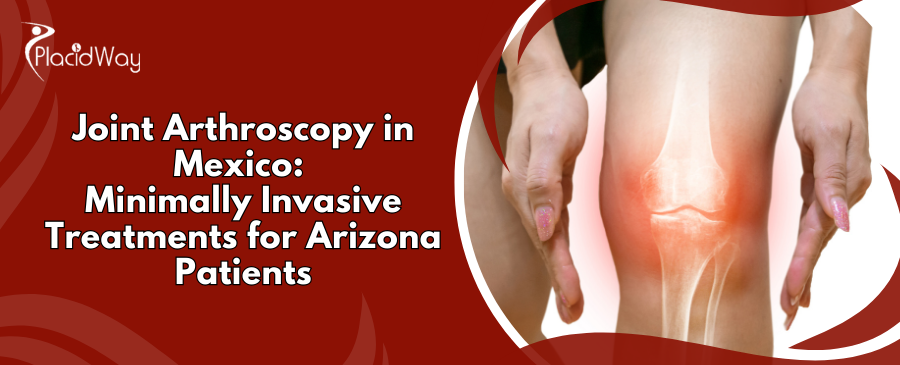
Joint arthroscopy in Mexico offers Arizona patients significant savings and access to high-quality, minimally invasive orthopedic care. Patients often save 50-70% on procedures like knee, shoulder, or hip arthroscopy compared to US costs, without compromising on surgical expertise or facility standards.
For Arizona residents experiencing joint pain, the quest for effective, affordable treatment often leads south of the border. Mexico has emerged as a leading destination for orthopedic care, particularly for Joint Arthroscopy in Mexico: Minimally Invasive Treatments for Arizona Patients. This guide explores why an increasing number of patients are making this choice. We delve into the critical advantages, including significant cost savings, geographic convenience, and access to world-class medical facilities and highly skilled surgeons.
Joint arthroscopy is a sophisticated minimally invasive procedure designed to diagnose and treat various joint conditions with less trauma and faster recovery. For those in Arizona facing high medical costs or lengthy wait times, Mexico presents a compelling alternative. This article will provide a comprehensive overview, equipping you with the knowledge needed to make informed decisions about your joint health journey.
What Key Advantages Await Arizona Patients in Mexico?
- Cost-Effective Treatment: Arizona patients can save 50-70% on joint arthroscopy by choosing accredited medical facilities in Mexico, making vital surgeries more accessible.
- Proximal and Convenient Travel: Border cities like Tijuana, Nogales, and Mexicali are easily accessible by car, reducing travel expenses and stress for Arizona residents.
- Access to High-Quality Care: Leading private hospitals in Mexico feature advanced technology and often employ US board-certified surgeons or those with international training.
- Reduced Wait Times: Patients can typically schedule evaluations and surgeries within weeks in Mexico, offering faster relief than the months-long waits often experienced in the US.
- Comprehensive Packages: Orthopedic packages often include surgeon fees, anesthesia, hospital costs, pre-op tests, and sometimes even post-op physical therapy and accommodation.
What is Joint Arthroscopy and How Can it Heal Your Joints?
Joint arthroscopy is a minimally invasive surgical procedure that allows surgeons to visualize, diagnose, and treat problems inside a joint. It involves making small incisions, through which a tiny camera (arthroscope) and specialized surgical instruments are inserted. This approach significantly reduces pain, scarring, and recovery time compared to traditional open surgery.
This advanced technique is highly versatile and can be applied to nearly any joint in the body. Commonly, it is used for knee issues like meniscus tears, ACL reconstruction, and cartilage repair. For shoulders, arthroscopy is effective for rotator cuff and labrum tears, as well as impingement syndromes. Hip arthroscopy addresses conditions such as femoroacetabular impingement (FAI) and labral tears. Additionally, it treats various ankle, elbow, and wrist conditions, including ligament tears and the removal of loose bone or cartilage fragments. The minimal invasiveness means less disruption to surrounding tissues, enabling a quicker return to daily activities and a more comfortable recovery process for patients.
Is Arthroscopic Surgery in Mexico Safe and Effective?
Evidence & Outcomes: When conducted in accredited facilities by board-certified surgeons, arthroscopic surgery in Mexico meets international safety and quality benchmarks. Many orthopedic surgeons practicing in Mexico’s top private hospitals are US board-certified or have received extensive training in prestigious institutions across the United States and Europe. These hospitals are equipped with advanced arthroscopic equipment and adhere to surgical protocols comparable to those found in leading US facilities. Patient testimonials often highlight positive outcomes, reflecting successful procedures and satisfactory recovery experiences. Selecting providers with verifiable credentials, such as certification by the Mexican Council of Orthopedics and Traumatology (CMOT) and Joint Commission International (JCI) accreditation, is paramount for ensuring high-quality care.
Risks & Contraindications: While arthroscopy is minimally invasive, like all surgeries, it carries inherent risks such as infection, bleeding, nerve damage, blood clots, or adverse reactions to anesthesia. Specific risks depend on the joint and the patient’s overall health. Patients with severe underlying health conditions or active infections may be deemed unsuitable. It is crucial to have a thorough pre-operative assessment and disclose all medical history to your surgeon. Post-operative warning signs include excessive pain, redness, swelling, fever, or numbness, which warrant immediate medical attention. Individual results can vary significantly based on the severity of the condition, adherence to rehabilitation protocols, and overall patient health. Always consult with a qualified healthcare professional to discuss personal risks, benefits, and suitability for the procedure.
Did you know that Mexico is home to some of the world’s most advanced medical facilities, where patients often save 50-70% on joint arthroscopy while receiving care that meets or exceeds international hospital standards? This makes high-quality orthopedic treatment accessible to many more individuals.
How Do Arthroscopy Costs in Mexico Compare to Arizona?
Arizona patients can anticipate substantial savings, typically ranging from 50% to 70%, on the total cost of joint arthroscopy by opting for treatment in Mexico. These cost efficiencies stem from lower overhead and operational expenses in Mexican hospitals, which do not compromise the quality of care or the technology utilized. Orthopedic packages are often comprehensive, covering surgeon and anesthesiologist fees, hospital stays, operating room costs, pre-operative consultations, basic lab work, and even post-operative medications and follow-up checks. This all-inclusive approach simplifies financial planning and offers transparency for patients seeking affordable care.
Cost Comparison: Knee Arthroscopy (Meniscus Repair)
Major Savings
| Country | Estimated Cost | Potential Savings |
|---|---|---|
| Mexico | $2,500 – $5,000 | Starting Point Best Value |
| United States (Arizona) | $7,000 – $15,000 | 66% Avg. Savings |
| United Kingdom | N/A | Data Not Provided |
| Canada / Australia | N/A | Data Not Provided |
Essential Facts & Pro-Tips for Your Medical Journey
What Does a Typical Arthroscopy Treatment Journey Look Like?
The medical journey for arthroscopy in Mexico is streamlined for patient convenience and optimal care. It begins with meticulous planning, ensuring all medical and travel logistics are addressed before you even depart from Arizona. This structured approach helps alleviate stress and allows you to focus solely on your recovery.
Frequently Asked Questions About Joint Arthroscopy in Mexico
1. Is this treatment safe in Mexico for Arizona patients?+
Yes, arthroscopic surgery in Mexico is safe when performed in accredited hospitals by board-certified surgeons. Many top private facilities in Mexico adhere to international standards, including those set by the Joint Commission International (JCI). Surgeons often have US or European training, ensuring high-quality care. Thorough research and verification of credentials are key to a successful and safe medical outcome for Arizona patients.
2. How long should I expect to recover after knee arthroscopy?+
Recovery time varies considerably based on the specific procedure and individual patient factors. For a minor meniscectomy, you might regain comfortable walking within one to two weeks. However, more complex surgeries like ACL reconstruction can require six to nine months for a full return to strenuous activities and sports. Your surgeon will provide a tailored rehabilitation plan.
3. Is a passport required for Arizona patients traveling to Mexico for surgery?+
Yes, a valid US passport book or passport card is absolutely necessary to re-enter the United States. This applies to both land and air travel. Ensure your passport is current well in advance of your medical trip to avoid any last-minute complications or delays at the border.
4. How can I find a qualified orthopedic surgeon in Mexico?+
The most reliable method is to engage with a reputable medical tourism facilitator like PlacidWay. They pre-vet surgeons and hospitals for their credentials, experience, and patient outcomes. You can also directly verify a surgeon’s certification with the Consejo Mexicano de Ortopedia y Traumatología (CMOT), the Mexican equivalent of the American Board of Orthopaedic Surgery.
5. Is it safe to drive back to Arizona immediately after surgery?+
It is strongly advised against driving immediately after arthroscopy. You will likely be under the influence of pain medication and have restricted mobility, making driving unsafe. It is highly recommended to arrange for a friend or family member to accompany you and handle all driving responsibilities during your return journey to Arizona.
6. What is typically included in the price of an arthroscopy package?+
Most surgical packages in Mexico are comprehensive. They typically cover the surgeon’s fee, anesthesiologist’s fee, hospital and operating room costs, pre-operative tests, and post-operative medications. Some enhanced packages may even include initial physical therapy sessions and accommodation. Always confirm a detailed breakdown of services with your provider to avoid any unexpected expenses.
7. Are medical facilities in Mexico equipped with modern technology?+
Yes, the leading private hospitals in popular Mexican medical tourism cities are highly modern. They feature state-of-the-art technology and infrastructure that often rivals or surpasses that found in many US hospitals. These facilities invest heavily in advanced equipment and maintain high standards to cater to international patients.
8. Can US insurance cover arthroscopy in Mexico?+
While most US insurance plans do not directly cover surgery performed in Mexico, funds from a Health Savings Account (HSA) or Flexible Spending Account (FSA) can often be used to pay for the procedure. Additionally, many medical tourism companies provide financing options to help manage the overall cost. Always check with your insurance provider for specific policy details.
Ready to Take the Next Step Towards Recovery?
Choosing the right destination for your medical care is significant. By opting for treatment abroad, you are not just saving on costs—you are gaining access to specialized clinicians and world-class care.