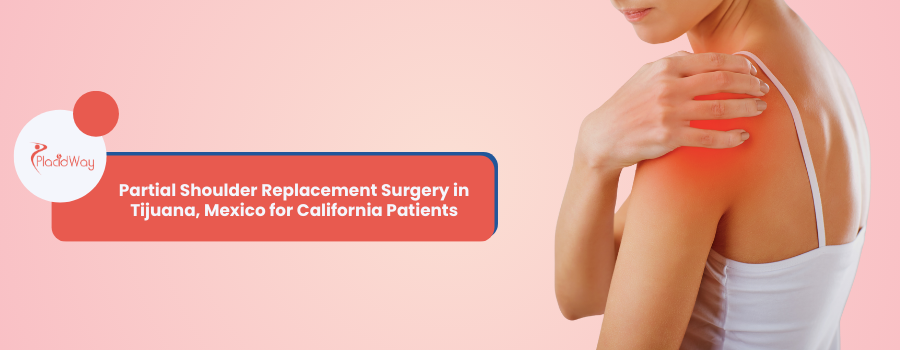
For California patients, partial shoulder replacement surgery in Tijuana, Mexico, offers remarkable value. You can expect to save 50-70% on total costs compared to U.S. prices, making vital care more accessible. Many facilities are JCI-accredited, ensuring high-quality, internationally certified medical care just across the border.
Chronic shoulder pain can severely impact your quality of life, making everyday tasks excruciating and limiting your independence. For many California residents, the thought of needing shoulder surgery is coupled with the daunting reality of exorbitant healthcare costs in the United States. These high prices often push essential treatments, like partial shoulder replacement, financially out of reach, leaving patients to suffer unnecessarily.
However, a compelling and high-quality solution exists just a short distance away. Tijuana, Mexico, has solidified its reputation as a premier medical tourism destination, providing advanced orthopedic procedures without compromising on safety or clinical excellence. This comprehensive guide will explore why seeking Partial Shoulder Replacement Surgery in Tijuana, Mexico for California Patients is becoming an increasingly popular and viable option for regaining mobility and living a pain-free life.
From significant cost advantages and geographical convenience to world-class facilities and dedicated patient support, Tijuana offers a holistic approach to orthopedic care that prioritizes both your health and your financial well-being.
What Key Benefits Does Tijuana Offer for Partial Shoulder Replacement?
- • Significant Cost Savings: Patients from California can typically save 50-70% on the total cost of partial shoulder replacement compared to U.S. prices, making advanced surgery financially accessible.
- • Proximity & Convenience: Tijuana is located just minutes from the U.S. border, offering easy travel and minimizing logistical challenges for California residents.
- • High-Quality Medical Care: Many clinics are JCI-accredited or internationally certified, featuring modern technology, experienced orthopedic surgeons, and English-speaking staff.
- • Comprehensive Packages: Medical tourism packages often include surgical fees, hospital stay, anesthesia, initial physical therapy, and sometimes even local transportation, ensuring transparency.
- • Focus on Recovery: Post-operative care plans are specifically designed to support effective rehabilitation, often with options for continued therapy upon returning to California.
What is Partial Shoulder Replacement (Hemiarthroplasty) and How Does it Work?
Partial shoulder replacement, or shoulder hemiarthroplasty, is an orthopedic procedure involving the replacement of only the damaged ball (humeral head) of the upper arm bone with a prosthetic implant, while preserving the natural socket (glenoid) when it remains healthy and intact.
This specialized surgical intervention is typically recommended for patients suffering from conditions such as severe osteoarthritis, rheumatoid arthritis, a rotator cuff tear arthropathy where the glenoid cartilage is well-preserved, or a complex fracture of the humeral head. The procedure aims to effectively eliminate painful bone-on-bone friction within the joint, significantly reduce chronic pain, and restore a greater range of motion and overall function in the affected shoulder. By focusing solely on the damaged humeral head, it offers a less invasive alternative to total shoulder replacement for suitable candidates, potentially leading to quicker recovery times and preserving more of the natural joint structure.
During the surgery, performed under general anesthesia, an incision is made to access the shoulder joint. The orthopedic surgeon will make a carefully planned incision, typically at the front or top of your shoulder, to gain access to the damaged joint. The humeral head, which is the damaged ball of the upper arm bone, is meticulously removed. The remaining bone is then prepared to precisely accept the prosthetic implant. This metal implant, comprising a smooth ball and a stem, is then either cemented or press-fitted securely into the upper arm bone. Following the implant placement, the joint capsule and surrounding muscles are meticulously repaired, and the incision is closed. The entire surgical procedure usually takes approximately 1.5 to 3 hours to complete.
What Are the Outcomes and Potential Risks of Shoulder Hemiarthroplasty?
Evidence & Outcomes:
Partial shoulder replacement is often a highly effective solution for carefully selected patients. It is particularly chosen for younger, more active individuals or those with specific types of shoulder fractures where preserving the natural glenoid surface offers distinct advantages. This targeted approach has been shown to lead to excellent long-term outcomes, including significant pain relief and improved range of motion. The primary goal is to restore function by eliminating bone-on-bone friction, contributing to a better quality of life for suitable candidates. Many patients regain substantial function within 3-6 months, with full recovery taking up to a year.
Risks & Contraindications: While generally safe, partial shoulder replacement, like any major surgery, carries inherent risks. These can include general complications such as infection at the surgical site, excessive bleeding, or adverse reactions to anesthesia. Specific risks related to shoulder hemiarthroplasty may involve potential implant loosening or wear over time, nerve or blood vessel damage during the procedure, or persistent shoulder stiffness and pain. In some cases, revision surgery may be necessary in the future. It is crucial to understand that individual results can vary significantly based on factors like overall health, adherence to rehabilitation, and the underlying condition being treated. This procedure is contraindicated for patients with severe glenoid arthritis or active infections. Always engage in a thorough discussion with a qualified orthopedic surgeon to weigh the benefits against the potential risks and determine if this is the most appropriate treatment path for your specific condition.
Did you know that Tijuana, Mexico, is home to some of the world’s most advanced medical facilities, where patients often save significant amounts on partial shoulder replacement while receiving care that meets or exceeds international hospital standards, with many holding JCI accreditation?
How Do Partial Shoulder Replacement Costs Compare Between Tijuana and California?
The financial advantages of choosing Tijuana for partial shoulder replacement surgery are a primary motivator for many California patients. While similar procedures in California can range from $30,000 to over $60,000, the same high-quality surgery in Tijuana typically costs between $10,000 and $18,000. This substantial difference, driven by lower overheads and medical liability costs in Mexico, makes crucial orthopedic care accessible and significantly more affordable without compromising quality.
Cost Breakdown
Major Savings
| Country | Estimated Cost | Average Savings (vs. US) |
|---|---|---|
| Tijuana, Mexico | $10,000 – $18,000 | 69% Savings Best Value |
| United States (California) | $30,000 – $60,000+ | 0% Savings |
| Canada | $20,000 – $35,000 | 39% Savings |
| India | $7,000 – $15,000 | 75% Savings (Longer Travel) |
Essential Facts & Pro-Tips
What is the Step-by-Step Treatment Journey for Shoulder Replacement in Tijuana?
The treatment journey for partial shoulder replacement in Tijuana is meticulously structured to ensure comprehensive care and a smooth experience for California patients. Efficiency is a hallmark of this medical experience, minimizing downtime while strictly adhering to every safety protocol.
Frequently Asked Questions
1. Is partial shoulder replacement surgery safe in Tijuana, Mexico?+
For medical tourists, Tijuana is generally considered safe, particularly within its well-established medical zones and accredited hospitals. Many facilities prioritize international patient safety by offering secure transportation from the border or airport. It is always advisable to thoroughly research your chosen facility and consider traveling with reputable medical tourism facilitators like PlacidWay to ensure a comfortable and secure experience.
2. Why do California patients choose Tijuana for shoulder surgery?+
California patients frequently choose Tijuana for partial shoulder replacement due to substantial cost savings, often 50-70% less than U.S. prices. Additionally, its close geographical proximity to Southern California, coupled with access to modern medical facilities and experienced, often internationally trained, surgeons, makes it a highly attractive and convenient option for high-quality orthopedic care.
3. How much does partial shoulder replacement cost in Tijuana?+
The cost of partial shoulder replacement in Tijuana, Mexico, typically ranges from $10,000 to $18,000 USD. This is a significantly lower price point compared to the United States, where the same procedure can cost anywhere from $30,000 to $60,000 or even more, establishing Tijuana as a leading destination for affordable orthopedic surgery.
4. Are the medical facilities in Tijuana accredited for orthopedic surgery?+
Yes, many medical facilities in Tijuana that serve international patients proudly hold international accreditations such as Joint Commission International (JCI) or ISO certifications. These highly respected accreditations signify adherence to stringent global standards for patient safety, quality of care, and medical service excellence, comparable to top U.S. hospitals.
5. What is the typical recovery time after partial shoulder replacement?+
Initial recovery involves wearing an arm sling for approximately 4-6 weeks to properly immobilize and protect the newly replaced joint. Physical therapy is a critical component of recovery, typically beginning shortly after surgery and continuing for several months. Most patients regain significant function within 3-6 months, with full recovery and optimal strength and range of motion taking up to a year of consistent rehabilitation.
6. What should I look for in a medical tourism package for shoulder surgery in Mexico?+
A comprehensive medical tourism package for shoulder surgery in Mexico should ideally include the surgeon’s fees, anesthesia costs, hospital stay (typically 1-3 nights), the cost of the prosthetic implant, initial physical therapy sessions, and often local transportation or accommodation. Always verify the exact inclusions with your chosen facility or medical tourism facilitator to avoid any unexpected expenses.
7. Will my U.S. insurance cover partial shoulder replacement in Mexico?+
Most U.S. health insurance plans do not directly cover elective medical procedures performed outside the United States. However, some specific plans may offer partial reimbursement for out-of-network care, or you might be eligible to use a Health Savings Account (HSA) or Flexible Spending Account (FSA) for qualified medical expenses. It is always crucial to contact your insurance provider directly to understand your policy’s specifics regarding international medical care.
8. How can I ensure the quality of the surgeon and facility in Tijuana?+
To ensure the highest quality of care, prioritize facilities with recognized international accreditations such as JCI. Research orthopedic surgeons for board certifications, specialized training in shoulder replacements, and extensive experience. Review patient testimonials and seek independent reviews. Collaborating with a trusted medical tourism platform like PlacidWay can provide guidance and connect you with thoroughly vetted and accredited providers.
Ready to Take the Next Step Towards Recovery?
Choosing the right destination for your medical care is significant. By opting for treatment abroad, you are not just saving on costs—you are gaining access to specialized clinicians and world-class care.
Related Resources
Related Articles