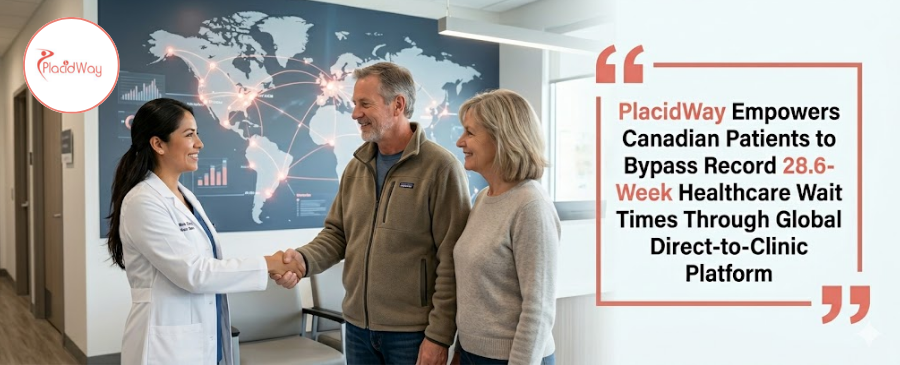
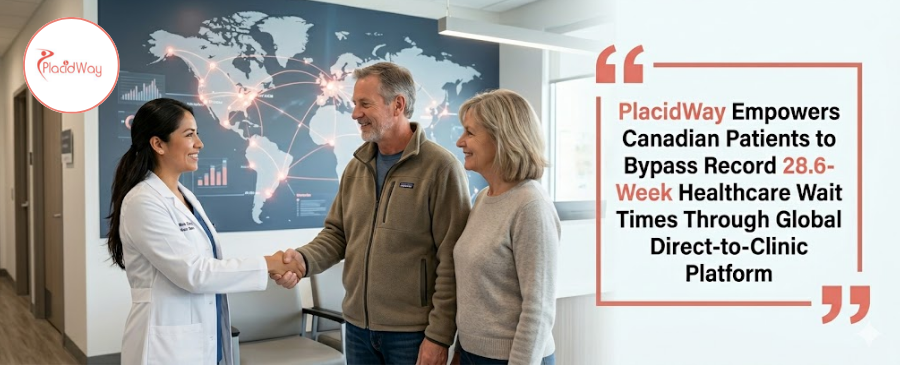
Canadians face unprecedented healthcare delays, averaging a staggering 28.6 weeks for essential treatments. A global direct-to-clinic platform now revolutionizes medical access, empowering patients to bypass local backlogs and seamlessly receive immediate, world-class care abroad.
The structural integrity of public healthcare systems across North America is being tested like never before, with Canadian patients currently bearing the severe brunt of systemic, cascading delays. Recent longitudinal data indicates that the median wait time between a general practitioner referral and the actual receipt of medical treatment has reached a historic, critical high. For countless individuals requiring critical orthopedic interventions, cardiovascular procedures, or highly specialized oncological diagnostics, this extensive delay is no longer merely an administrative inconvenience. It represents a profound, deeply concerning disruption to their overall quality of life, threatening their economic stability, their mental health, and their physical well-being as treatable conditions are allowed to progressively worsen over long months of inactivity.
In direct response to this escalating national healthcare crisis, innovative medical facilitation models have stepped into the void to provide immediate, actionable alternatives. As outlined in the
Official News Source, advanced technological platforms are fundamentally altering how patients interact with the broader global medical community. By systematically removing traditional bureaucratic gatekeepers and providing transparent, direct access to world-renowned medical centers, patients are no longer forced to languish on domestic waiting lists for life-changing procedures. This paradigm shift is rewriting the rules of healthcare accessibility for North Americans.
The Canadian Healthcare Crisis: Understanding the 28.6-Week Delay
•
Primary Care to Specialist Bottlenecks: The initial, highly frustrating chokepoint occurs when patients must wait several months simply to have their condition officially diagnosed by a specialist, delaying any potential treatment plan from even being formulated.
•
Diagnostic Imaging Delays: Waiting lists for crucial MRI, CT scans, and specialized ultrasounds stretch for months, creating an information vacuum where medical professionals cannot accurately assess the severity or progression of a patient’s illness.
•
Specialist to Surgical Intervention: The final and most agonizing phase of the journey is the wait between surgical consultation and entering the operating room, a period during which patients frequently experience the maximum amount of physical pain and anxiety.
•
The Orthopedic and Cardiovascular Impact: Elective but essential surgeries, particularly hip replacements, knee arthroplasties, and vital cardiovascular bypasses, suffer some of the most egregious delays, leaving aging populations functionally immobilized.
•
Geographical Disparities Within the Nation: The average wait time masks severe regional inequalities; patients residing in rural or medically underserved provinces often experience wait times that significantly exceed the national average of 28.6 weeks.
•
Systemic Resource Shortages: An ongoing crisis involving widespread medical staffing deficits, insufficient hospital bed availability, and strict governmental budget constraints severely limit the domestic system’s ability to clear the immense surgical backlog.
The Human Cost of Delayed Medical Procedures
Behind every statistical metric regarding healthcare wait times lies a deeply personal narrative of human suffering. When a patient is informed they must wait upwards of seven months for a procedure that will restore their mobility or alleviate chronic pain, the physical deterioration begins immediately. Conditions that were initially highly manageable often progress into more complex, debilitating states. This prolonged lack of intervention frequently forces patients to rely heavily on prescription pain management, inadvertently contributing to broader societal issues such as opioid dependency. The physical atrophy experienced during this holding pattern not only diminishes their daily quality of life but also severely complicates the eventual surgical procedure, resulting in extended, more difficult post-operative recovery periods.
Equally devastating, yet frequently overlooked, is the profound psychological and economic toll extracted by these delays. The uncertainty of living in a state of suspended animation breeds severe anxiety, depression, and a loss of personal agency. Economically, the impact is staggering. Patients unable to perform their professional duties due to pain or immobility face immense lost wages, depleted savings, and potential job loss. Furthermore, family members are often forced to reduce their own working hours to transition into informal caregiving roles, creating a cascading financial strain that ripples throughout the entire household. The true cost of waiting extends far beyond the confines of a hospital budget; it drains the very livelihood of the patients trapped within the system.
Introducing the Global Direct-to-Clinic Platform Concept
The advent of the global direct-to-clinic platform represents a monumental evolution in the healthcare landscape. Historically, organizing medical treatment abroad was an opaque, convoluted process reliant upon expensive medical tourism brokers who controlled the flow of information and charged exorbitant intermediary fees. A direct-to-clinic model fundamentally dismantles this outdated architecture. By utilizing advanced digital infrastructure, these platforms provide patients with an expansive, easily navigable directory of internationally accredited medical centers. This decentralized approach places the power of choice firmly back into the hands of the individual, allowing them to independently research, compare, and connect with global medical professionals without artificial barriers.
Transparency is the cornerstone of this revolutionary model. Patients are granted unprecedented visibility into facility credentials, physician qualifications, comprehensive treatment protocols, and, crucially, exact pricing structures. This allows for direct communication channels to be established between the patient and the foreign medical team long before a flight is ever booked. Through secure telehealth integrations and digital medical record transfers, patients can undergo extensive preliminary consultations, ensuring that they are medically cleared and fully informed about their prospective care. This transforms the patient from a passive recipient of domestic healthcare rationing into an empowered, informed consumer operating on a global scale.
Did You Know?
Prolonged waiting times for elective surgeries are directly linked to a significant increase in private, out-of-pocket expenses for temporary pain management, specialized physical therapy, and lost household wages. In many documented cases, these hidden financial burdens actually exceed the total upfront cost of traveling abroad for immediate, definitive medical intervention.
How PlacidWay Bridges the Gap for Canadian Patients
As a premier facilitator of global medical connectivity, PlacidWay serves as the vital bridge over the chasm of domestic healthcare delays. Recognizing that navigating international healthcare systems can initially appear daunting, the platform is meticulously engineered to provide a seamless, highly intuitive user experience. Rather than acting as a traditional gatekeeper, PlacidWay functions as a comprehensive empowerment tool. It aggregates thousands of rigorously vetted international medical facilities into a single, cohesive ecosystem. Canadian patients utilizing the platform can filter their search based on specific medical conditions, desired geographic regions, and budget constraints, instantly generating a curated list of viable, world-class alternatives to their domestic waiting lists.
Beyond merely providing a directory, the platform facilitates the crucial logistical steps required for successful medical travel. It integrates secure communication portals that allow patients to directly send their diagnostic imaging and medical histories to international surgical teams for review. This ensures that the patient receives personalized, highly accurate medical itineraries and transparent cost estimates directly from the source of care. By streamlining the inquiry, consultation, and booking processes, PlacidWay effectively eliminates the friction associated with cross-border healthcare, allowing Canadian patients to secure critical treatment dates within weeks, or even days, rather than enduring the grueling 28.6-week domestic standard.
“The reality that PlacidWay empowers Canadian patients to bypass record 28.6-week healthcare wait times through a global direct-to-clinic platform is not just an industry milestone; it is a lifeline. We are witnessing a fundamental, necessary shift in healthcare dynamics. Patients are no longer confined by the geographic limitations and systemic backlogs of their domestic systems. By providing a transparent, decentralized network of internationally accredited medical centers, we are democratizing healthcare. This platform allows individuals to reclaim their health timelines, transforming medical travel from a complex endeavor into an accessible, immediate solution for thousands suffering from excessive wait times.”
— Pramod Goel, CEO of PlacidWay
Top International Medical Destinations Offering Immediate Relief
•
Latin America’s Proximity and Excellence: Offering highly convenient flight routes for North Americans, destinations in Latin America have become powerhouses for advanced dentistry, bariatric surgery, and cosmetic procedures, combining massive cost savings with immediate intake availability.
•
Eastern Europe’s Orthopedic Innovations: Renowned for their rigorous medical education systems, Eastern European nations offer state-of-the-art orthopedic interventions, utilizing the latest robotic-assisted joint replacement technologies at a fraction of Western costs.
•
Asian Hubs for Complex Medical Interventions: Countries across Asia have heavily subsidized their medical tourism infrastructure, creating mega-hospitals that specialize in highly complex oncological treatments, advanced cardiovascular surgeries, and intricate neurological procedures.
•
The Middle Eastern Smart Healthcare Cities: Emerging as global leaders in luxury medical tourism, Middle Eastern destinations are investing billions into futuristic, integrated healthcare cities that attract the world’s leading medical minds and utilize cutting-edge AI diagnostics.
•
Western European Specialized Care: For patients seeking specialized fertility treatments or regenerative medicine therapies that are highly restricted or plagued by waitlists domestically, Western Europe provides deeply regulated, ethically advanced immediate options.
•
Caribbean Rehabilitation and Wellness: Seamlessly integrating complex surgical interventions with world-class post-operative rehabilitation, Caribbean facilities allow patients to heal in serene, stress-free environments designed to accelerate the physical recovery process.
Navigating Quality and Safety in Global Healthcare Options
A primary concern for any individual contemplating medical care abroad is the assurance of stringent safety and quality standards. The modern global direct-to-clinic platform mitigates these anxieties by prioritizing international accreditations. Facilities featured on the highest-tier platforms frequently possess certifications from globally recognized bodies, such as the Joint Commission International (JCI) or the International Society for Quality in Health Care (ISQua). These rigorous accreditations guarantee that the foreign medical center adheres to, and often exceeds, the exact same clinical protocols, infection control measures, and technological standards mandated in premier North American and European hospitals. Patients are not compromising on quality to save time; they are simply accessing a more efficient global marketplace.
Furthermore, the commitment to safety extends well beyond the operating room through robust continuity of care protocols. Leading international medical centers employ dedicated international patient departments to eliminate language barriers and ensure cultural comfort. Comprehensive pre-operative assessments are conducted virtually to guarantee the patient is a viable candidate for surgery before any travel occurs. Post-operatively, these medical teams maintain detailed follow-up schedules via telehealth, coordinating closely with the patient’s local general practitioner upon their return home. This highly structured, collaborative approach ensures that the medical journey is entirely safe, legally compliant, and clinically successful from initial inquiry to final recovery.
Did You Know?
Numerous international medical professionals, particularly those operating in premium global healthcare destinations, have undergone their primary medical education, residency training, or specialized board certifications in the United States, Canada, or the United Kingdom, ensuring a seamless alignment of clinical expertise and patient expectations.
The Economic Perspective: Analyzing Cost Versus Waiting
When evaluating the viability of global medical travel, the economic analysis must extend beyond a simple comparison of procedural prices. While it is true that international medical centers routinely offer surgeries at a fraction of out-of-pocket North American private costs, the true financial revelation lies in the concept of cost-versus-waiting. A 28.6-week delay in the domestic public system carries immense hidden expenses. Patients must factor in the tangible costs of prolonged pharmaceutical reliance, private physiotherapy interventions attempting to stave off deterioration, and the substantial loss of earning potential due to physical incapacity. When these secondary financial hemorrhages are calculated, the upfront cost of comprehensive medical travel often proves to be the far more economically prudent decision.
Moreover, the global direct-to-clinic model fundamentally champions absolute financial transparency. Unlike some domestic private healthcare options that are notorious for surprise billing, hidden administrative fees, and separate invoices for anesthesiology and facility usage, international medical centers typically operate on an all-inclusive package structure. These clearly delineated packages comprehensively cover the surgical intervention, the hospital stay, nursing care, necessary medications, and often local specialized transportation and accommodation for a traveling companion. This predictable, upfront pricing allows patients to definitively plan their medical journey without the looming dread of unexpected financial burdens post-surgery.
A New Era of Healthcare Independence for North American Patients
The rise of the global direct-to-clinic platform marks the dawn of a new era defined by profound healthcare independence. For generations, patients have been conditioned to accept the limitations, geographic monopolies, and systemic inefficiencies of their local medical infrastructure. The staggering 28.6-week wait time currently faced by Canadians acts as the catalyst that is finally shattering this passive acceptance. Empowered by digital connectivity and comprehensive informational transparency, patients are realizing that their health timelines do not have to be dictated by bureaucratic constraints. They are actively transitioning into the role of sovereign healthcare consumers, willing and able to traverse borders to secure the immediate, high-quality interventions they rightfully deserve.
As this trend continues to accelerate, global medical travel is rapidly shedding its outdated reputation as a last resort for the desperate, emerging instead as a mainstream, highly strategic alternative for proactive individuals. The integration of technology into the medical tourism sector has forever erased the traditional boundaries of clinical care. Ultimately, the ability to rapidly connect with accredited international medical facilities ensures that timely, exceptional healthcare is no longer a localized privilege determined by geography, but a universally accessible standard driven by individual choice and platform innovation.