The Rise of Medical Tourism in Orthopedic Sports Medicine
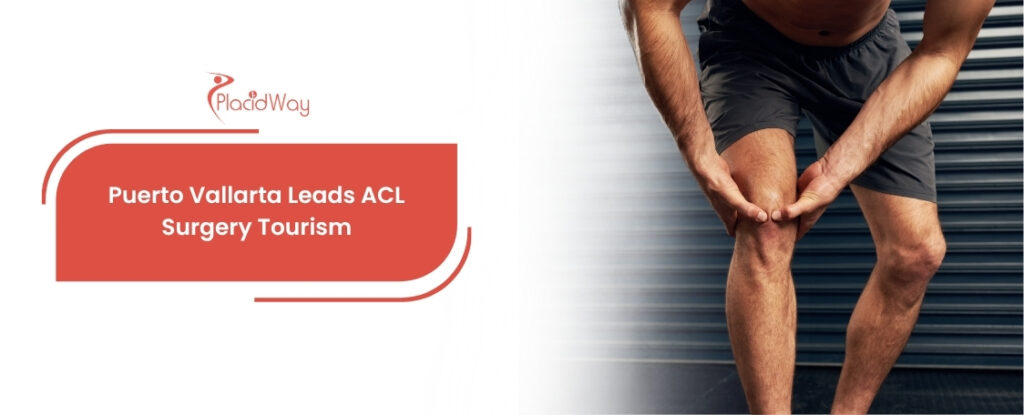
The landscape of international healthcare has undergone a dramatic transformation over the past decade. Once primarily associated with cosmetic enhancements or elective dental procedures, medical tourism has matured into a sophisticated network of highly specialized medical hubs. Among the most notable developments is the validation of specific regions as epicenters for complex musculoskeletal interventions. According to the Official News Source, Puerto Vallarta has officially secured its status as a top-tier destination for sports-focused anterior cruciate ligament (ACL) reconstruction.
For professional athletes, collegiate competitors, and weekend warriors alike, an ACL tear is one of the most dreaded injuries in sports. The anterior cruciate ligament is crucial for knee stability, particularly during pivoting, cutting, and sudden deceleration. A compromised ACL not only halts physical activity but threatens long-term joint health if not properly repaired. Historically, North American patients were confined to local healthcare systems to address these severe injuries. However, the paradigm has shifted. Today, patients are recognizing that elite orthopedic care is no longer bound by geographical borders. By traveling to a recognized center of excellence in Mexico, patients gain access to world-class surgical talent, state-of-the-art medical technology, and comprehensive rehabilitation programs tailored specifically to athletic recovery.
Why North American Athletes Are Looking South of the Border
The driving forces behind this mass migration of orthopedic patients from the United States and Canada to Mexico are deeply rooted in the systemic challenges inherent in North American healthcare. In Canada, the primary obstacle is the wait time. Despite offering universal healthcare coverage, the Canadian system frequently suffers from severe bottlenecks when it comes to elective or non-life-threatening orthopedic surgeries. It is not uncommon for an active individual to wait upwards of twelve to eighteen months simply to receive a surgical consultation, followed by another lengthy wait for the procedure itself. For an athlete, waiting a year and a half means missing multiple seasons, facing muscle atrophy, and risking secondary injuries to the meniscus or articular cartilage due to joint instability.
Conversely, patients in the United States face an entirely different hurdle: astronomical costs and labyrinthine insurance policies. Even with premium health insurance, high deductibles, out-of-network fees, and co-insurance percentages can leave a patient with crippling out-of-pocket expenses. Furthermore, insurance companies frequently dictate the type of surgical materials used, sometimes opting for cheaper, non-sports-optimized grafts rather than allowing the surgeon and patient to choose the best medical approach. Puerto Vallarta bypasses both the Canadian wait times and the American financial barriers. Patients can often schedule their procedure within a matter of weeks, paying a fraction of the out-of-pocket costs required in the US, without ever compromising on the caliber of surgical intervention.
Did You Know?
The anterior cruciate ligament cannot heal on its own due to a lack of blood supply. Over 200,000 ACL injuries occur annually in North America alone, making it one of the most common sports injuries. The success rate for modern arthroscopic ACL reconstruction in internationally accredited centers of excellence exceeds ninety percent, allowing the vast majority of patients to return to their pre-injury levels of physical activity.
Advanced Surgical Techniques in ACL Reconstruction
The designation of a center of excellence is not granted lightly; it requires a demonstrated mastery of the most advanced surgical protocols available today. In Puerto Vallarta, orthopedic teams utilize cutting-edge medical advancements to ensure optimal outcomes for high-performance athletes.
- Arthroscopic Precision: Surgeons utilize minimally invasive arthroscopic techniques, utilizing high-definition cameras to navigate the knee joint. This minimizes tissue trauma, significantly reduces scarring, and accelerates the initial phases of healing.
- Customized Graft Selection: Rather than a one-size-fits-all approach, specialists offer individualized graft choices. Whether utilizing an autograft (bone-patellar tendon-bone, hamstring, or quadriceps tendon) or an allograft (donor tissue), the decision is tailored to the patient’s specific sport and biomechanical demands.
- Anatomic Reconstruction: Modern techniques focus on placing the new ligament in the exact anatomical footprint of the native ACL. This restores natural knee kinematics and dramatically reduces the risk of long-term joint degeneration or osteoarthritis.
- Biological Augmentation: Many advanced centers integrate orthobiologics, such as Platelet-Rich Plasma (PRP) or stem cell therapies, during the surgical procedure to enhance vascularization and expedite the integration of the graft into the bone tunnels.
- Simultaneous Meniscal Repair: Recognizing that ACL tears are frequently accompanied by meniscal damage, surgical teams are highly proficient in performing simultaneous repairs, preserving as much native cartilage as possible to maintain joint shock absorption.
“The validation of Puerto Vallarta as a center of excellence for sports-focused ACL reconstruction marks a pivotal moment in cross-border healthcare. We are witnessing a definitive shift where North American patients are no longer choosing medical travel solely for cost savings, but rather for uncompromising quality, rapid access to care, and highly specialized athletic recovery protocols. This destination has successfully merged top-tier orthopedic talent with an environment that inherently supports holistic healing.”
— Pramod Goel, CEO of PlacidWay
The Recovery Paradigm: Rehabilitation in a Tropical Setting
Surgical excellence is only one half of the equation when it comes to successful ACL reconstruction; the other half is rigorous, targeted physical therapy. One of the most significant advantages of choosing a medical destination like Puerto Vallarta is the unique environment it provides for immediate postoperative recovery. Healing in a warm, coastal climate has profound physiological and psychological benefits. Cold weather can cause joint stiffness, exacerbate postoperative aches, and limit early mobility. Conversely, the tropical warmth promotes better blood circulation, relaxes surrounding musculature, and eases the initial stiffness associated with knee surgery.
Furthermore, the psychological environment cannot be overstated. Recovering at home often involves the stress of daily chores, navigating stairs, and the pressure of returning to work prematurely. In a destination setting, patients enter a dedicated “healing bubble.” Medical tourism packages for sports orthopedics typically include integrated physical therapy sessions that begin within 24 to 48 hours of surgery. Patients work daily with specialized sports physiotherapists who guide them through passive range of motion exercises, early weight-bearing protocols, and neuromuscular re-education. This immersive, stress-free environment allows athletes to focus one hundred percent of their energy on their recovery, setting a robust foundation for the months of rehabilitation that will follow once they return home.
Cost-Benefit Analysis: United States and Canada vs. Mexico
The economics of healthcare play an undeniable role in the decision-making process for orthopedic patients. In the United States, healthcare pricing is notoriously opaque. A patient might receive separate bills from the hospital facility, the primary surgeon, the anesthesiologist, and the physical therapist, making it nearly impossible to predict the final financial burden. Even with insurance, out-of-pocket maximums can easily exceed several thousand dollars. In Canada, while the out-of-pocket cost is virtually zero, the hidden cost of lost time, decreased athletic performance, and prolonged pain represents a massive burden.
Medical travel introduces a model of transparent, bundled pricing. Patients receive a comprehensive quote that covers all aspects of the clinical intervention, removing the anxiety of unexpected medical bills. Below is a conceptual analysis of how the systems compare regarding the overall patient experience and financial investment.
| Comparison Factor | United States / Canada | Puerto Vallarta, Mexico |
|---|---|---|
| Average Wait Time | 3 to 18 Months (System Dependent) | 2 to 4 Weeks |
| Pricing Structure | Fragmented, Opaque, High Deductibles | Transparent, All-Inclusive Bundles |
| Post-Op Physical Therapy | Often limited by insurance caps per year | Daily intensive sessions included in stay |
| Surgeon Accessibility | Brief consultations, often seen by assistants | Direct, prolonged access to primary surgeon |
| Recovery Environment | Home environment, immediate daily stressors | Concierge hospitality, climate-optimized |
Did You Know?
Recovering at sea level, such as in a coastal city, provides higher atmospheric oxygen concentration compared to high-altitude regions. This increased oxygen availability at the cellular level is a critical factor in tissue regeneration and wound healing, allowing surgical incisions and internal grafts to heal more efficiently in the crucial first weeks post-operation.
Validating Centers of Excellence: What It Means for Patients
The term “Center of Excellence” is more than just marketing nomenclature; it represents a stringent set of international medical standards that facilities must meet and maintain. For a destination to be validated in this manner, it requires a comprehensive audit of clinical outcomes, safety protocols, and patient satisfaction metrics. For orthopedic surgery, this means maintaining near-zero infection rates, utilizing the latest generation of sterilization equipment, and demonstrating consistent, high-level functional recovery rates among patients. The validation processes frequently align with international accrediting bodies that demand protocols equivalent to or exceeding those mandated in standard North American hospitals.
For the patient, choosing a validated center means profound peace of mind. It guarantees that the surgical teams are not only board-certified but partake in continuous medical education, often having trained or completed fellowships in the United States or Europe. It ensures that the surgical theaters are equipped with advanced imaging technologies and that the anesthesiology protocols prioritize both safety and rapid postoperative recovery. This systematic dedication to clinical superiority is what elevates a region from a mere medical tourism option to a globally recognized hub for orthopedic mastery.
Navigating the Logistics of Cross-Border Healthcare
The prospect of traveling to another country for major joint surgery can initially seem daunting. However, the ecosystem surrounding medical tourism has evolved to provide seamless, end-to-end concierge experiences. Platforms like PlacidWay act as essential bridges, coordinating every logistical element so the patient can focus entirely on their health and recovery. The journey is meticulously planned to eliminate language barriers, transportation anxieties, and accommodation issues.
- Comprehensive Digital Consultations: Long before a flight is booked, patients undergo thorough telehealth evaluations. MRI scans and medical records are transferred securely for the surgical team to review, allowing for a precise surgical plan and accurate pricing estimate to be established in advance.
- VIP Airport Transfers: Upon arrival, patients are greeted at the airport by dedicated medical concierges. Transportation is provided in spacious, comfortable vehicles designed to accommodate individuals with mobility restrictions.
- Bilingual Medical Staff: Language is never a barrier. The entire medical team, from the primary surgeon to the nursing staff and physical therapists, are highly proficient in English, ensuring clear communication regarding surgical risks, recovery milestones, and medication schedules.
- Integrated Accommodations: Patients and their companions are set up in recovery-friendly hotels or specialized recovery houses. These accommodations feature accessible showers, minimal stairs, and customized dietary menus to support inflammation reduction.
- Post-Travel Continuity of Care: The relationship does not end once the patient returns home. Medical teams provide detailed discharge summaries, rehabilitation blueprints for local physical therapists, and schedule follow-up virtual appointments to monitor long-term recovery progress.
The Future of Orthopedic Tourism in Latin America
The validation of specific geographic hubs for specialized procedures represents the future of globalized healthcare. As medical technologies continue to advance, the democratization of world-class healthcare will only accelerate. Puerto Vallarta’s emergence as a premier destination for sports-focused ACL reconstruction is just the beginning. We are likely to see continued investment in medical infrastructure across Latin America, drawing top-tier medical talent and fostering innovations in orthobiologics and robotic-assisted surgeries.
For North American travelers, this evolution means an end to healthcare compromises. Athletes and active individuals no longer have to choose between financial ruin and compromised physical performance. As more patients share their success stories of recovering in a supportive, high-quality, and cost-effective environment, the stigma once associated with crossing borders for medical care continues to evaporate. Puerto Vallarta has set a new gold standard, proving that exceptional medical care paired with compassionate hospitality provides a healing experience that domestic healthcare systems struggle to match. The global stage for orthopedic excellence is expanding, and patients are the ultimate beneficiaries.
Ready to Take the Next Step in Your Recovery?
Discover world-class orthopedic care tailored to athletes and active individuals. Bypass the wait times and access premium medical expertise in a validated center of excellence.